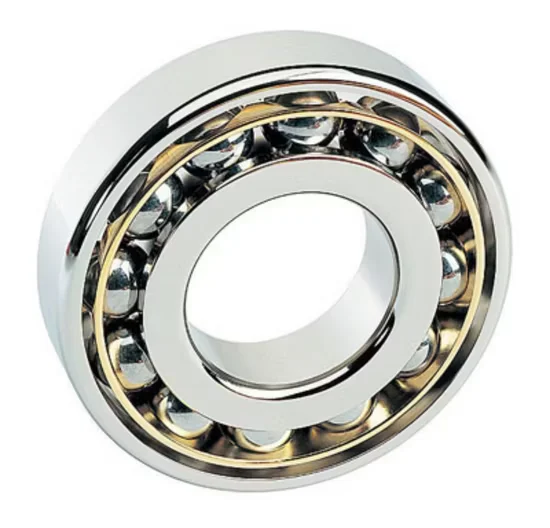
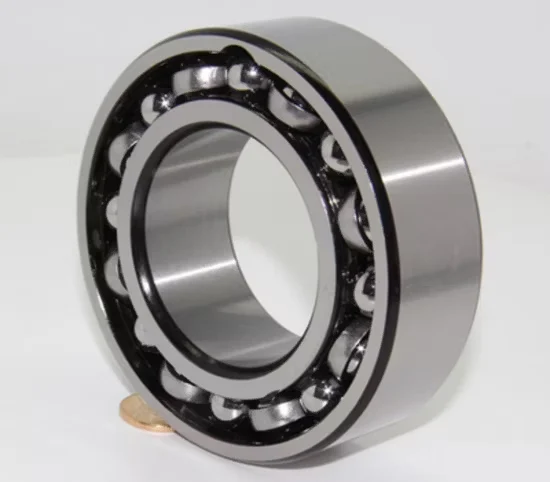
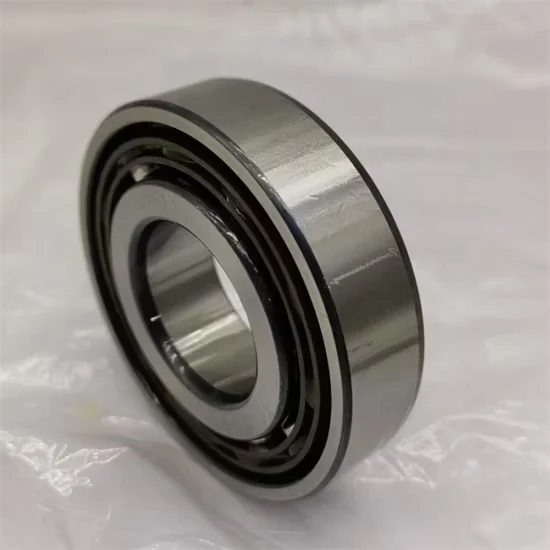
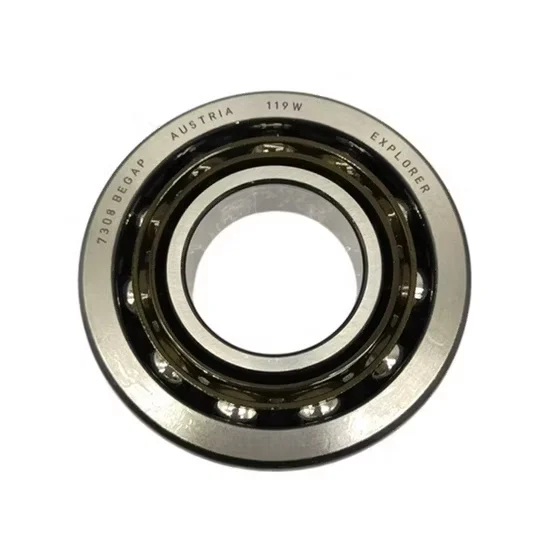
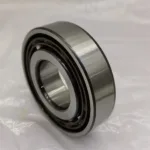
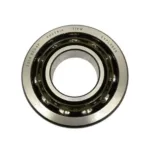
SKF 7007 CD/P4adbc Super Precision Angular Contact Ball Bearing
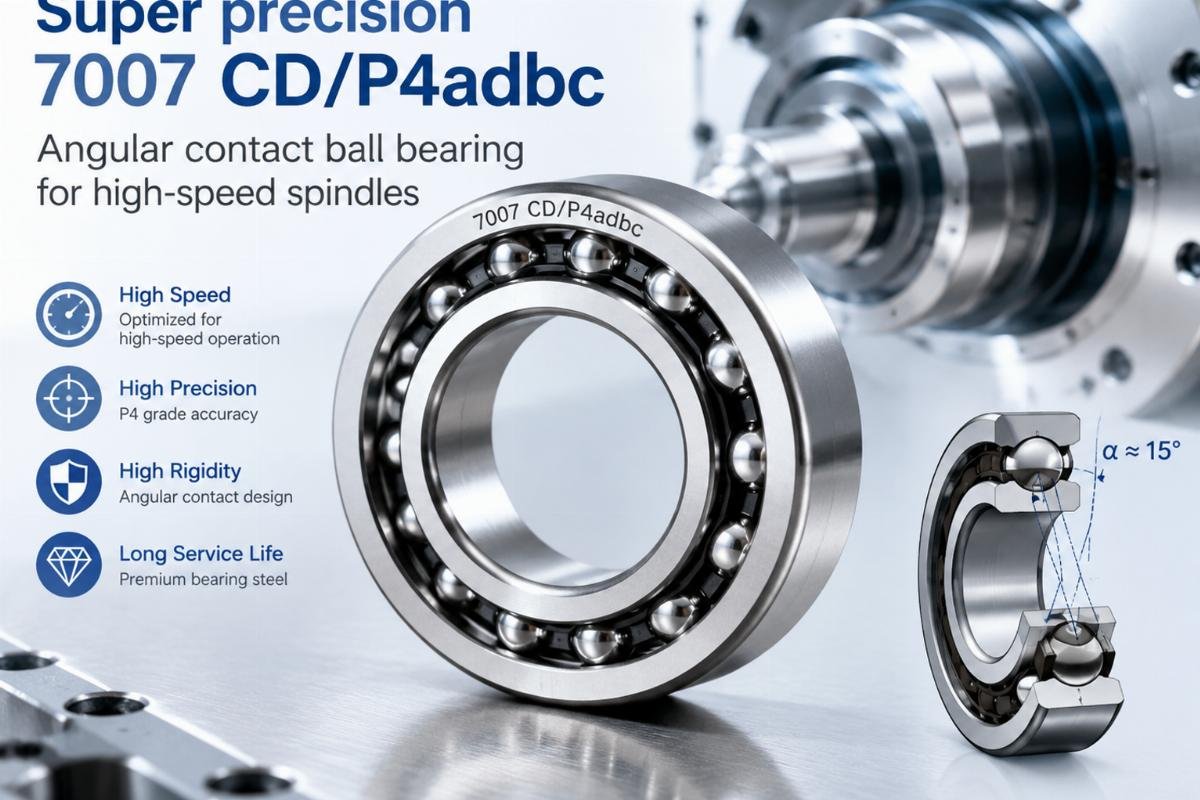
<p><strong>7007 CD/P4adbc Angular Contact Ball Bearing</strong></p> <ul> <li>The CD suffix denotes a 15° contact angle optimized for high-speed operations, while the db designation indicates a back-to-back pairing arrangement to effectively handle combined radial and axial loads with high rigidity.</li> <li>Always cross-reference internal clearance, cage material, and precision class against the official manufacturer catalog to guarantee exact technical alignment with your specific application requirements.</li> </ul>
Specifications
|
Model / Part Number
|
SKF 7007 CD/P4adbc Super Precision Angular Contact Ball Bearing |
|---|---|
|
Bore Diameter (d)
|
Contact us for details |
|
Outer Diameter (D)
|
Contact us for details |
|
Width (B)
|
Contact us for details |
|
Dynamic Load Rating (Cr)
|
Contact us for details |
|
Static Load Rating (C0r)
|
Contact us for details |
|
Limiting Speed (grease)
|
Contact us for details |
|
Weight
|
Contact us for details |
* Full dimensional data and load ratings available upon inquiry. Our engineers will confirm specifications for your application.
Request a Quote or Technical Consultation
Product Description
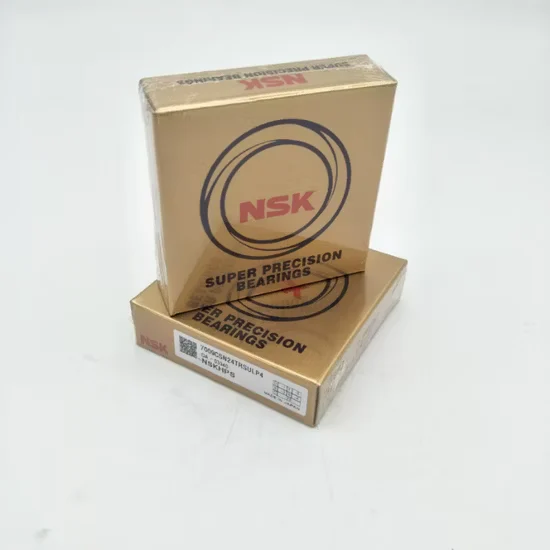
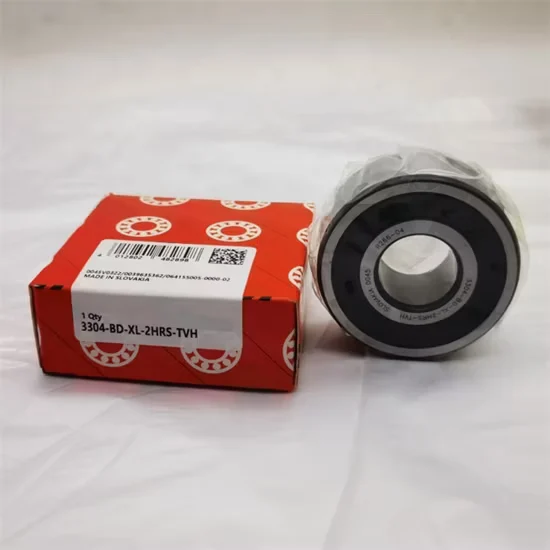
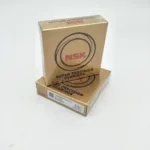
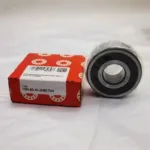
Authenticity via QR — Scan the manufacturer’s official app code on the box to verify the original batch traceability of your 7007 CD/P4adbc angular contact ball bearing.
Technical Specifications
| Parameter | Value |
|---|---|
| Designation | 7007 CD/P4adbc |
| Bearing Type | Angular Contact Ball Bearing |
| Material | Gcr15 Bearing Steel |
| Cage Material | Nylon (Polyamide) |
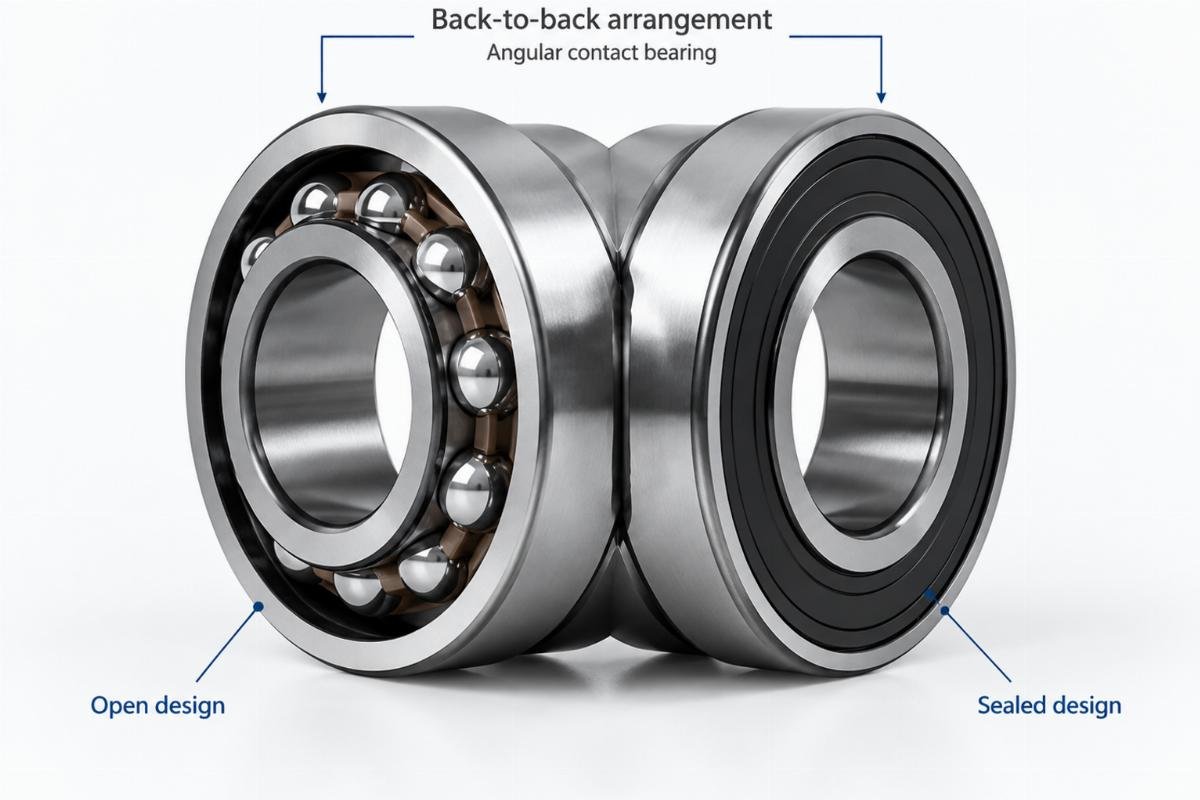
| Seal or Shield Type | Open |
| Clearance Class | C0, C1, C2, C3, C4, C5 |
| Vibration | V1, V2, V3 |
| Number of Rows | Single Row / Double Row |
| Contact Angle | 15° |
| Arrangement | Back-to-back (DB) |
Note: The ‘P4a’ and ‘c’ suffixes in the designation require manufacturer catalog confirmation for exact precision and preload definitions.
Application Suitability
| Industry | Typical Applications |
|---|---|
| Machine Tool Manufacturing | High-speed spindle assemblies |
| Fluid Machinery | Centrifugal pumps and compressors |
| Automation | Precision robotics joints |
Why Spindle Vibration Destroys the 7007 CD/P4adbc angular contact ball bearing
Misaligned back-to-back pairing causes uneven load distribution and catastrophic cage failure.
In my years analyzing failures in Qingdao, I saw countless machine tool spindles lock up because maintenance crews treated precision matched pairs as standard single bearings. Ignoring the exact DB arrangement and preload specifications leads to severe vibration at high RPMs, rapidly degrading the polyamide cage. When technicians force a mismatched component into a rigid housing, the resulting shaft runout compromises the entire machining tolerance. This type of catastrophic damage often halts production lines indefinitely and voids equipment warranties. [NEED_CITE: rolling bearing failure mode classification per ISO 15243]
Matching Polyamide Cages to High-Speed Spindle Demands
The 7007 CD/P4adbc angular contact ball bearing utilizes a nylon polyamide cage, which is noticeably lighter than brass alternatives. This reduced weight minimizes centrifugal forces on the rolling elements, allowing the spindle to reach higher rotational speeds without generating excessive friction heat. The open seal design further supports this high-speed capability by enabling direct oil-air lubrication. Our sourcing network ensures these specific cage variants are available for urgent maintenance replacements, preventing extended lead times during critical breakdowns.
Managing Thermal Expansion and Lubrication in Precision Equipment
High-speed machine tool spindles generate significant thermal gradients that directly impact internal clearance. An open seal design allows for flexible oil-air or oil-jet lubrication systems, which are essential for dissipating heat and flushing out microscopic debris from the raceways. When operating under combined radial and axial loads, the 15° contact angle provides the necessary rigidity while minimizing friction. If the external lubrication circuit fails, the Gcr15 bearing steel races will quickly succumb to micropitting and premature wear. [NEED_CITE: thermal effects on bearing internal clearance per ISO 281]
Decoding the Back-to-Back Arrangement and Contact Angle
The DB suffix indicates a back-to-back pairing, which offers high rigidity and effectively handles moment loads commonly found in vertical spindle applications. The CD designation specifies a 15° contact angle, optimizing the balance between axial thrust capacity and high-speed radial performance. Furthermore, the open configuration requires the machine builder to implement a precise external lubrication circuit, ensuring the rolling elements remain protected. Understanding these specific geometric and structural traits is crucial for maintaining the tight tolerances required in modern CNC machining centers.
The Financial Impact of Ignoring Suffix Configurations
Substituting a face-to-face paired set for a back-to-back configuration in a rigid spindle setup leads to premature fatigue and unplanned downtime. When the preload and precision class do not match the original equipment manufacturer’s blueprint, the resulting vibration destroys the surface finish of the machined parts. Such catastrophic damage often voids the machine warranty and forces factories to scrap expensive raw materials. Relying on unverified suppliers for these critical components introduces severe financial risks to your production schedule. [NEED_CITE: financial consequences of improper bearing selection per ISO 15243]
Securing Genuine Matched Pairs Through Verified Channels
Sourcing super precision bearings requires strict adherence to factory pairing protocols. We provide complete batch traceability documentation to confirm the DB matched sets have not been separated or repackaged by third parties. Our technical team cross-references the exact 15° contact angle and polyamide cage specifications against official catalogs to prevent suffix mismatches. Additionally, we consolidate mixed-brand shipments, allowing you to source this specific configuration alongside other MRO requirements without coordinating multiple vendors. This efficient approach ensures your maintenance team receives the exact components needed for rapid spindle rebuilds.
Documentation & Authenticity
- Certificate of Conformity verifying the original manufacturing batch for this specific DB paired set.
- Official app QR code on the packaging to authenticate the 7007 CD/P4adbc angular contact ball bearing.
- Dimensional inspection report confirming the back-to-back arrangement tolerances before dispatch.
- Material test certificate validating the Gcr15 bearing steel composition and heat treatment.
Storage, Handling & Mounting
- Keep the matched DB set sealed in its original wrapper until mounting to preserve factory preload marks.
- Use clean, lint-free gloves when handling the open bearing to prevent moisture ingress on the Gcr15 steel races.
- Store the polyamide cage variants away from direct UV light to prevent material degradation over time.
- Apply the specified spindle oil immediately after unboxing, as the open design lacks factory-applied preservative grease.
- Verify the 15° contact angle alignment marks during installation to ensure correct back-to-back load distribution.
Technical Data Required for Selection Verification
To ensure the 7007 CD/P4adbc angular contact ball bearing meets your exact spindle requirements, please provide the operating RPM, axial thrust loads, and expected thermal gradients. Share your OEM equipment model numbers so our engineering team can cross-reference the original DB pairing and clearance specifications. This data allows us to perform a comprehensive L10 life calculation and recommend the optimal lubrication strategy.
Frequently Asked Questions
Q: How does the back-to-back (DB) arrangement differ from face-to-face in machine tool spindles?
A: The back-to-back arrangement provides higher moment stiffness and better resistance to tilting forces, making it ideal for rigid vertical spindles. Face-to-face setups allow for slight misalignments but offer less rigidity. Selecting the wrong pairing for your specific spindle housing can lead to uneven load distribution and premature fatigue.
Q: What are the critical alignment checks for cross-referencing precision and cage materials?
A: You must verify the 15° contact angle, the exact DB preload class, and confirm the cage is polyamide rather than brass. Cross-referencing these details against the manufacturer’s official catalog prevents installing a bearing that cannot withstand the high-speed centrifugal forces of your specific spindle application.
Q: How to verify the authenticity of super precision bearings through official channels?
A: Genuine super precision sets feature a unique QR code on the packaging that links to the manufacturer’s official authentication app. Scanning this code confirms the original batch traceability, ensuring the matched pair has not been tampered with or repackaged by unauthorized distributors.
Q: How to select the right clearance class for high-speed pump applications?
A: High-speed pumps generate significant heat, which reduces internal clearance during operation. Selecting a slightly larger initial clearance prevents the bearing from seizing when thermal expansion occurs. Always consult the equipment manufacturer’s thermal growth calculations to determine the optimal clearance class for your specific operating temperature.
Engineering Project Support
Need a complete bearing package for your project?
Send us your bill of materials and we will return a full technical selection, consolidated supply plan and delivery schedule.