Railway Bearings for Nordic Winter: Genuine Brands Wholesale Supplier
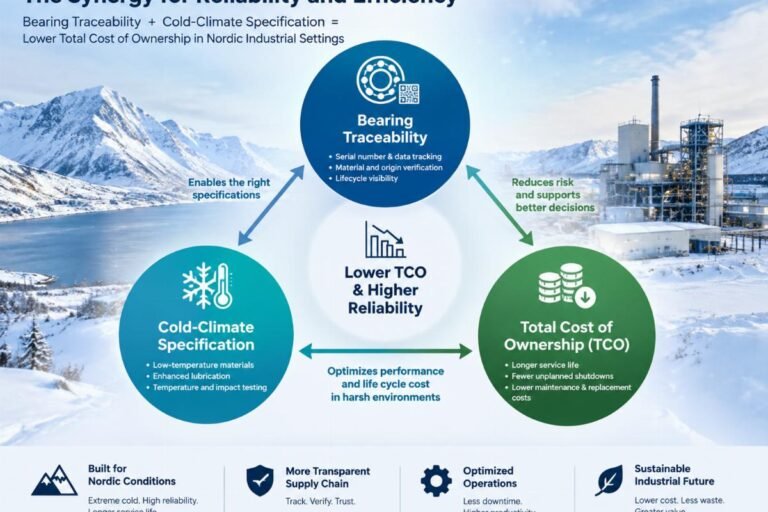
Sourcing railway bearings Nordic winter requires strict verification to prevent brittle fractures at -40°C. Validate material specs with mill certificates and ensure specialized grease formulations survive extreme cold. Secure genuine brands with full traceability for safe, reliable fleet operations.
 Written by
author
- Published on
- 6 min read
- Updated
Railway Bearings for Nordic Winter: Genuine Brands Wholesale Supplier
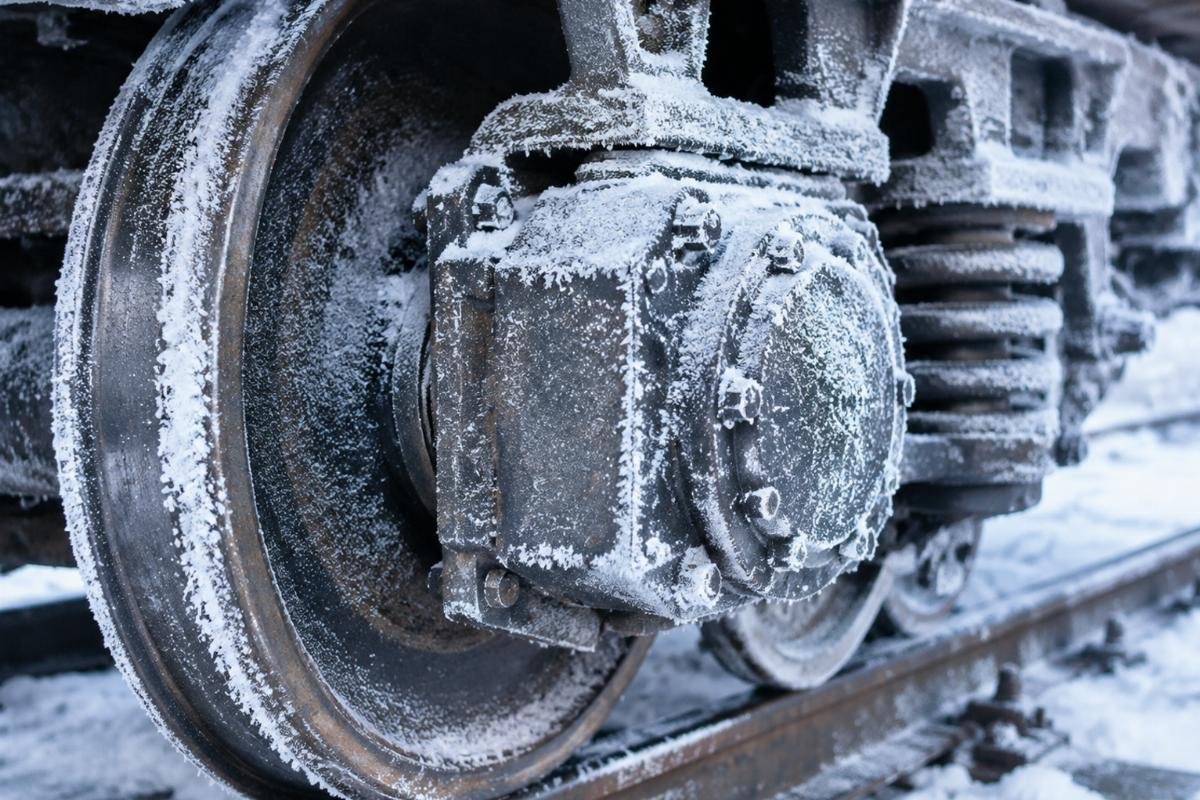
Standard steel shatters below -20°C.
Sourcing railway bearings for Nordic winters demands strict verification of low-temperature material tolerance, specialized grease, and original traceability to prevent catastrophic brittle fractures at -40°C. You cannot rely on visual inspection or standard industrial grades; you must demand mill certificates proving Charpy impact resistance and batch-specific heat treatment records.
I learned this the hard way, not in the snow, but in the dust. Years ago, I watched non-genuine bearing cages disintegrate in the Ethiopian heat because the alloy couldn’t handle thermal stress. The lesson was clear: material integrity dictates survival. Now, facing the opposite extreme, the principle remains identical. When temperatures plummet, the ductile-to-brittle transition becomes the single most critical failure mode. Many buyers assume that if a bearing fits the dimension, it will work. This is a fatal error. Standard carbon steels lose their toughness rapidly as mercury drops, turning from resilient components into glass-like hazards under dynamic load. For MRO operators and distributors managing fleets in Scandinavia or Northern Canada, the procurement strategy must shift from simple availability to rigorous technical validation. This guide details how to verify these specifications without getting lost in marketing jargon.
What Material Specs Prevent Brittle Fracture at -40°C?
Specialized alloy and heat treatment are mandatory for sub-zero operation.
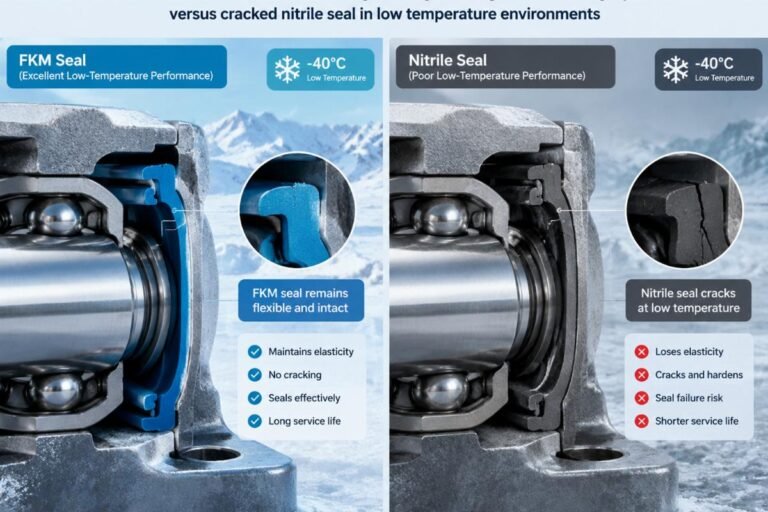
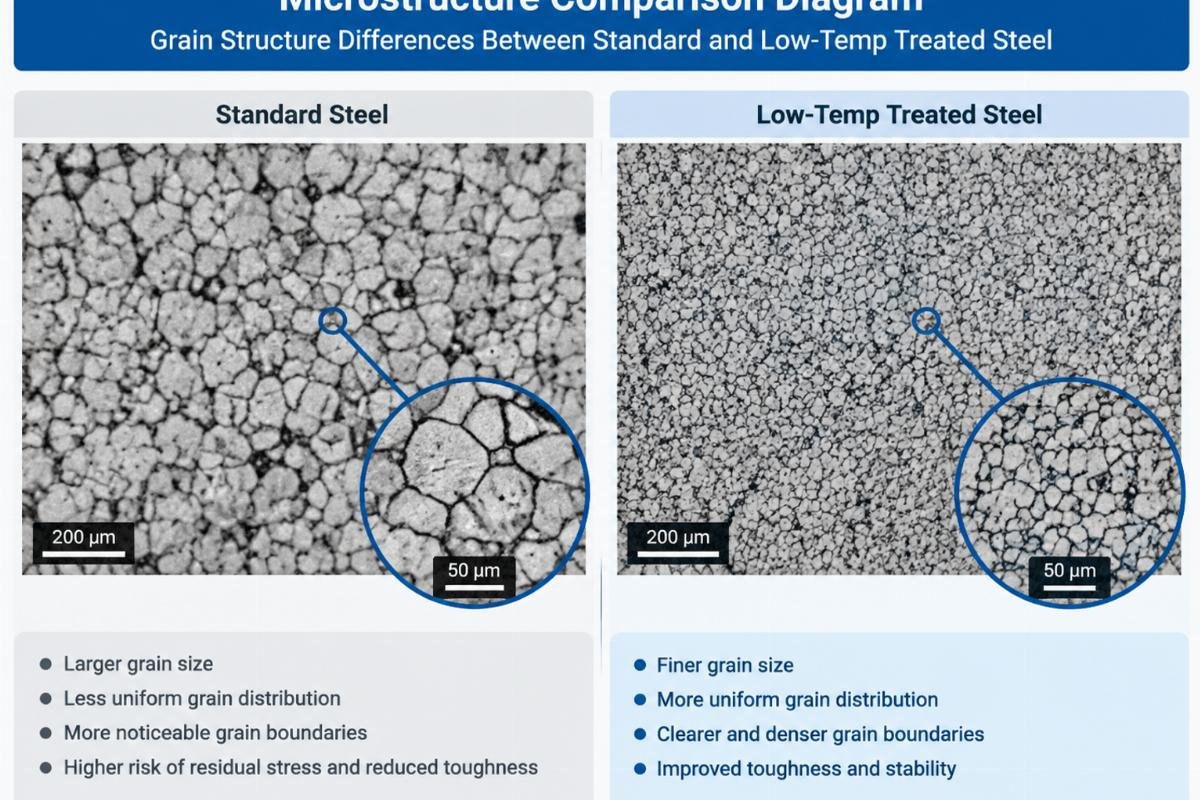
The core issue in Nordic environments is not just cold; it is thermal shock combined with heavy dynamic loads. Standard bearing steel, while excellent for general industrial use, undergoes a fundamental change in crystal structure at low temperatures. Without specific modifications, the material becomes susceptible to sudden, catastrophic cracking rather than gradual wear.
[NEED_CITE: ductile-to-brittle transition temperature ranges for standard vs modified bearing steels]
To mitigate this, manufacturers employ controlled nitrogen infusion and specific vacuum degassing processes to reduce inclusion density. These are not optional upgrades; they are baseline requirements for safety-critical rail applications. The goal is to maintain toughness even when the ambient temperature hits -40°C.
| Specification Factor | Standard Industrial Bearing | Low-Temperature Certified Railway Bearing |
|---|---|---|
| Material Purity | Basic cleaning | Substantially lower inclusion density |
| Heat Treatment | Standard quenching | Controlled tempering for toughness |
| Impact Resistance | Vulnerable at -20°C | Robust down to -40°C and below |
| Traceability | Batch-level generic | Full mill certificate per batch |
A European wind farm operator once switched to uncertified “cold-resistant” bearings to cut costs. Within months, multiple units failed during routine winter maintenance. The investigation revealed that the steel lacked the necessary impact toughness certification. The cost of replacement and downtime far exceeded the initial savings. This underscores why verifying the material spec is non-negotiable. When evaluating suppliers, ask for the specific Charpy V-notch impact test results for the batch in question. If they cannot provide this data, the product is not suitable for Nordic conditions.
How to Verify Authenticity for Extreme Cold Applications?
Rely on mill certificates and batch stamps, not visual checks.
Counterfeit bearings often look identical to genuine products. They share the same packaging, similar logos, and even comparable weight. However, under the thermal stress of a Nordic winter, inferior alloys reveal themselves through immediate failure. Visual inspection is useless for detecting material composition. The only reliable method is document verification.
[NEED_CITE: industry standards for bearing traceability documentation]
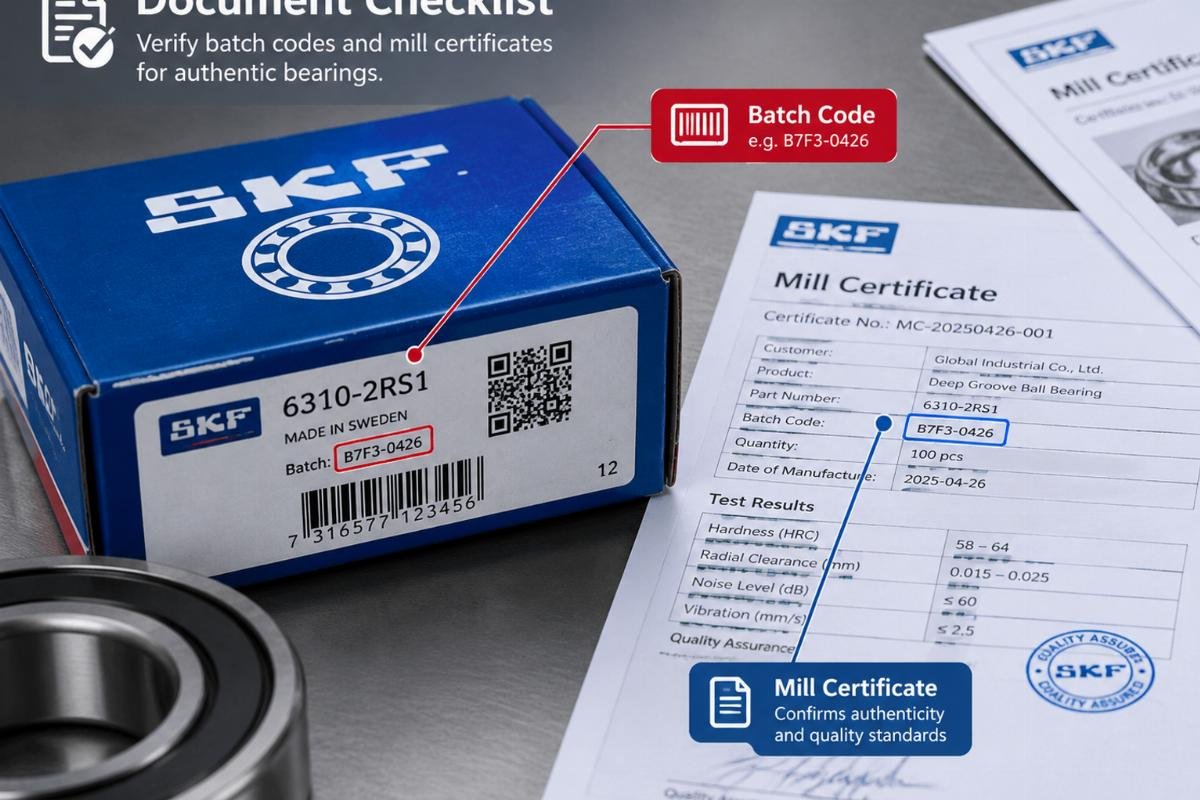
Every genuine bearing from major brands like SKF, FAG, or NSK carries a unique batch code. This code links the physical unit to its production history, including the steel source, heat treatment parameters, and quality control tests. For extreme cold bearing procurement, this link is vital. It proves that the specific unit you are installing was manufactured to withstand the stated temperature range.
I recall a case where a distributor in Central Asia received a shipment of mixed-brand bearings. Half lacked proper batch documentation. We refused those units. The client initially resisted, citing lead time pressures. However, upon inspecting the documented units, we found slight variations in the cage material specification that would have caused failure in freezing conditions. By insisting on full traceability, we prevented a potential fleet-wide issue.
When sourcing, ensure your supplier provides:
- Original Mill Certificates (not copies).
- Batch-specific heat treatment logs.
- Dimensional tolerance reports under thermal contraction scenarios.
If a supplier offers “equivalent” products without these documents, they are likely selling standard industrial grades repackaged for cold weather. This risk is unacceptable for railway safety.
Which Grease Formulations Survive Nordic Winters?
Low-temp torque and dropping point dictate lubrication survival.
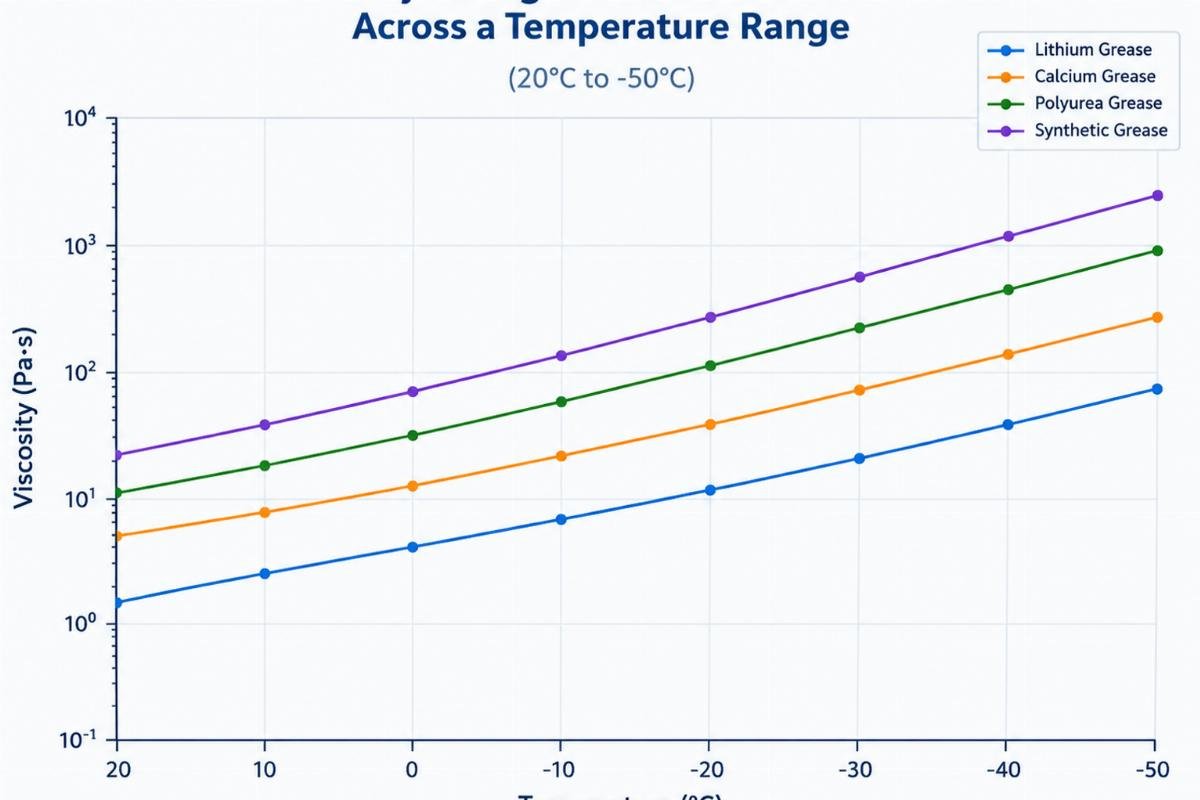
Even the best bearing will fail if the lubricant freezes. In Nordic winters, standard greases become viscous or solidify, increasing starting torque and causing skidding damage to the raceways. The grease must remain fluid enough to flow into the contact zone yet stable enough not to leak out under vibration.
[NEED_CITE: grease viscosity-temperature characteristics for railway applications]
Key parameters to check include the dropping point and the low-temperature torque limit. The dropping point indicates the temperature at which the grease structure collapses. For Arctic conditions, this must be significantly higher than the operating temperature. More importantly, the low-temperature torque must be low enough to allow the bearing to start rotating without excessive resistance.
| Lubrication Parameter | Standard Grease | Arctic-Grade Railway Grease |
|---|---|---|
| Consistency at -40°C | Hard/Solid | Pumpable/Soft |
| Starting Torque | High | Noticeably reduced |
| Dropping Point | Moderate | Substantially extended |
| Water Resistance | Basic | Robust against ice melt |
A mining company in Northern Sweden reported frequent bearing seizures during startup in January. The root cause was not the bearing itself, but the grease. It had hardened to a paste, preventing proper rotation. Switching to a specialized synthetic formulation designed for low temperature roller bearings resolved the issue immediately. The startup torque dropped noticeably, and the bearings ran smoothly despite the extreme cold.
When procuring, do not assume the bearing comes pre-lubricated with the correct grease. Always verify the lubricant specification separately. Ask for the technical data sheet showing the viscosity index and low-temperature performance curves. If the supplier cannot provide this, the lubrication package is likely generic and unsuitable for winter condition railway maintenance.
How to Source Mixed-Brand Cold-Weather Bearings Efficiently?
Consolidated procurement with full traceability cuts downtime.
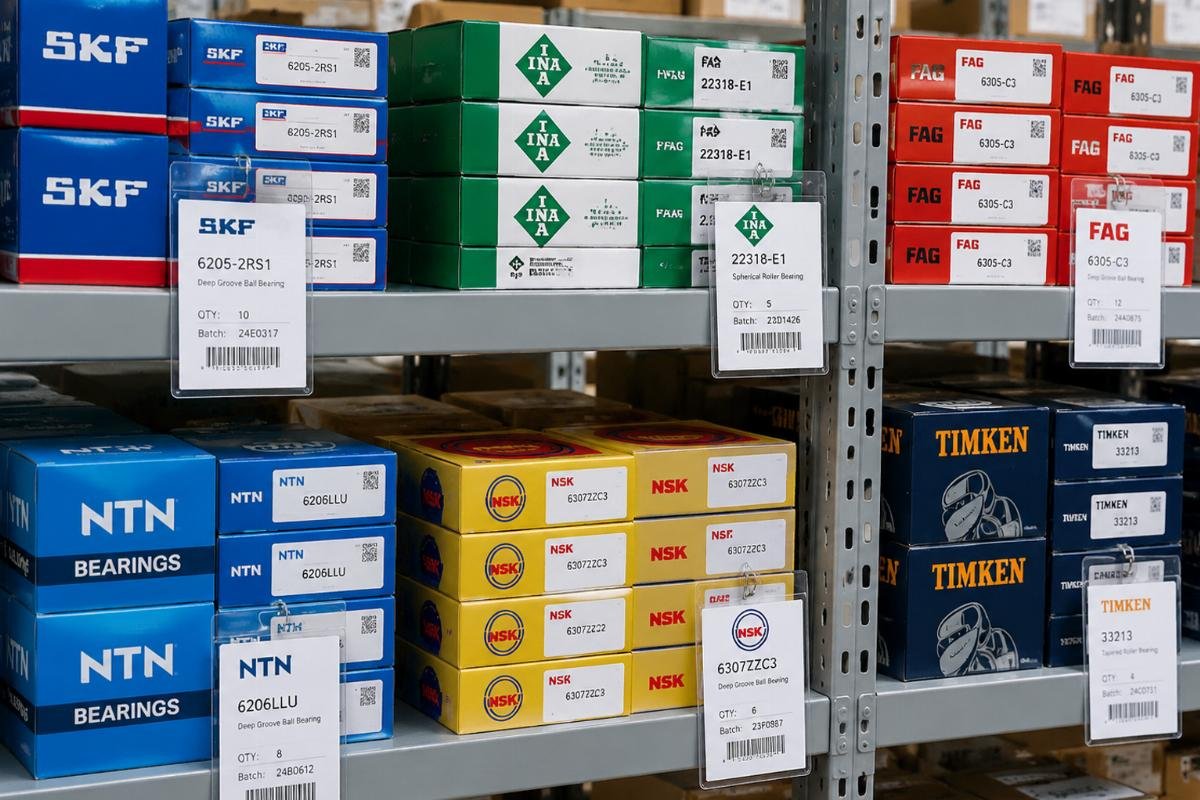
Railway networks often operate with mixed fleets, requiring bearings from various manufacturers like TIMKEN, NSK, or NTN. Sourcing these individually from official channels can be slow and administratively burdensome, especially for urgent MRO needs. Consolidating orders through a specialized supplier who maintains spot inventory of genuine brands offers a strategic advantage.
[NEED_CITE: benefits of consolidated MRO supply chains for railway operators]
The key is ensuring that consolidation does not compromise traceability. A reputable supplier will maintain separate batch records for each brand and model, ensuring that every unit shipped is accompanied by its specific documentation. This approach allows operators to manage cold weather railway bearings inventory more efficiently, reducing the lead time from weeks to days for emergency replacements.
For example, a regional distributor in Finland needed to replace a variety of spherical roller bearings across different train models before the peak winter season. By consolidating the order into a single shipment with full traceability documentation, they reduced administrative overhead and ensured all units met the required low-temperature specs. This flexibility is crucial for maintaining operational continuity in harsh climates.
When selecting a partner for extreme cold bearing procurement, look for:
- Verified spot inventory of major brands.
- Ability to provide mixed-brand shipments with individual batch certs.
- Technical support for cross-referencing equivalent models.
This strategy minimizes the risk of stocking incorrect or non-compliant parts while ensuring rapid availability when breakdowns occur. It transforms procurement from a logistical bottleneck into a reliability asset.
Conclusion
Verification prevents fracture.
Sourcing for Nordic winters is not about finding the cheapest option; it is about ensuring material integrity through rigorous documentation. Focus on Charpy impact ratings, batch-specific traceability, and specialized lubrication. By prioritizing these technical verifications over visual appeals, you secure the reliability needed for safe railway operations in extreme cold.

About the author
author
Editor covering global sourcing, supplier verification, and industrial product knowledge. Content is compiled from manufacturer specifications, industry standards, and hands-on experience with international B2B buyers. Every article is fact-checked before publishing to help procurement professionals make informed decisions.
More articles by author