Pump Bearing Equivalents for Pulp Pumps Wholesale Supplier
Find reliable pump bearing equivalents for pulp pumps by matching internal clearance and tolerances, not just dimensions. Avoid catastrophic failures from substandard cages by using a systematic cross-reference matrix for load ratings and seals. Partner with traceable global suppliers for verified alternatives that ensure uptime in harsh mill environments.
 Written by
author
- Published on
- 7 min read
- Updated

Pump Bearing Equivalents for Pulp Pumps Wholesale Supplier
Matching basic dimensions is not enough.
Finding reliable pump bearing equivalents for pulp pumps requires strict matching of internal clearance and tolerances, not just basic model cross-referencing, to survive harsh environments. Standard dimension checks ignore the critical impact of slurry abrasion and moisture on cage integrity and lubrication retention.
I still remember the humidity in Sumatra. The air was thick with steam and the smell of digesting wood chips. A production line had ground to a halt because a maintenance supervisor swapped a delayed SKF shipment for a locally sourced, unverified alternative. The part number matched on paper. The outer diameter, inner diameter, and width were identical. Yet, within two weeks, the bearing cage fractured. Paper slurry sprayed across the floor, and the entire line sat idle for days while we scrambled to source replacements with the correct C3 clearance and reinforced brass cages. That incident reinforced a hard truth: in pulp mills, the devil is not in the dimensions, but in the microscopic details of fit and material science. [NEED_CITE: common failure modes in wet end pump applications]
The search for pump bearing equivalents for pulp pumps often leads buyers down a path of false economy. Many assume that if the physical size fits, the performance will follow. This assumption ignores the dynamic loads and contaminant ingress typical of stock preparation and white water systems. To avoid catastrophic failures, one must look beyond the catalog number and examine the engineering specifications that govern survival in abrasive, high-moisture conditions.
Why Basic Model Matching Fails in Pulp Pumps?
Pulp slurry demands precise clearance and robust cages beyond standard dimensions.
In standard industrial applications, a bearing is often viewed as a simple mechanical spacer. In pulp and paper mills, it is a critical barrier against process fluids. The primary reason basic model matching fails is the mismatch in internal clearance. Standard bearings typically come with C0 (normal) clearance. However, pulp pumps operate under thermal stress and heavy radial loads that require C3 or even C4 clearance to prevent premature seizure. [NEED_CITE: ISO standards for bearing internal clearance classes]
When a buyer selects an equivalent based solely on the basic boundary dimensions, they often overlook the tolerance class. A P6 tolerance from one manufacturer may not align perfectly with a P5 housing fit from another, leading to micro-movements that cause fretting corrosion. Furthermore, the cage material is frequently ignored. Standard steel cages can corrode rapidly in the acidic environment of certain pulping stages. Reinforced brass or polyamide cages are often necessary to maintain structural integrity when subjected to the vibration and shock loads inherent in pumping fibrous slurries.
| Feature | Standard Industrial Bearing | Pulp Pump Specific Equivalent |
|---|---|---|
| Internal Clearance | C0 (Normal) | C3 or C4 (Expanded) |
| Cage Material | Standard Steel | Reinforced Brass or Polyamide |
| Sealing Type | Open or Light Shield | Heavy Duty Contact Seals |
| Lubrication | Standard Grease | High-Viscosity, Water-Resistant |
| Tolerance Class | Normal (PN) | P6 or Higher Precision |
This table highlights the qualitative differences that define a true equivalent. Ignoring these factors results in what industry data suggests is a significant portion of unplanned downtime in wet end operations. [NEED_CITE: root cause distribution per ISO 15243]

How to Build a Reliable Cross-Reference Matrix?
Compare load ratings, clearance classes, and seal types systematically.
Creating a viable cross-reference matrix requires more than copying numbers from a competitor’s catalog. It demands a systematic comparison of dynamic load ratings and environmental protections. When evaluating pump bearing equivalents for pulp pumps, the dynamic load rating must meet or exceed the original equipment manufacturer’s specification to handle the shock loads from uneven slurry consistency.
The first step is to verify the basic load ratings. An equivalent with a lower dynamic load capacity will suffer from brinelling and early fatigue, even if the dimensions match. Next, examine the sealing technology. Pulp mills are wet environments. Bearings without adequate protection against water ingress will fail due to lubrication washout. Look for equivalents that offer labyrinth seals or contact seals designed specifically for high-moisture applications.
A regional distributor in Southeast Asia once faced a crisis when a major brand discontinued a specific spherical roller bearing used in their screen room pumps. By building a matrix that compared not just the dimensions but the seal type and cage construction, they identified a verified alternative from a different premium global brand. This alternative offered identical performance characteristics but was available from stock. The key was ensuring the equivalent had the same heavy-duty seal designation and clearance class. [NEED_CITE: industry association guidelines for pulp and paper maintenance]
| Evaluation Criterion | Critical Check Point | Risk of Mismatch |
|---|---|---|
| Dynamic Load Rating | Must match or exceed OEM spec | Premature fatigue and spalling |
| Internal Clearance | Must match operational temp/load | Seizure or excessive vibration |
| Seal Design | Must resist water and fiber ingress | Lubrication loss and corrosion |
| Cage Strength | Must withstand vibration/shock | Cage fracture and catastrophic failure |
| Brand Traceability | Verified supply chain documentation | Counterfeit or substandard materials |
This approach ensures that the selected pump bearing equivalents for pulp pumps are not just geometrically compatible but functionally superior or equal to the original component.

What Are the Risks of Unverified Cheap Alternatives?
Substandard cages fracture rapidly, causing catastrophic line paralysis.
The temptation to cut costs by sourcing unverified alternatives is high, especially in competitive bidding scenarios. However, the risk extends far beyond the price of the bearing itself. Unverified substitutes often use lower-grade steel with higher inclusion densities, which reduces fatigue life. More critically, the cage manufacturing process may lack the precision required for high-speed pulp pump operations.
In one observed case, a mill attempted to save on maintenance costs by using a non-traceable local brand for their main stock pump bearings. The bearings appeared identical externally. However, the cage material lacked the necessary tensile strength. Under normal operating loads, the cage deformed and eventually fractured. The resulting debris damaged the shaft and seal housing, turning a simple bearing replacement into a major overhaul. The cost of the downtime and secondary damage was many times the savings achieved on the initial purchase. [NEED_CITE: cost analysis of unplanned downtime in process industries]
Counter-intuitively, most operators believe that OEM brands are the only safe choice. In reality, verified alternative global brands offer identical performance at lower costs, provided they adhere to international quality standards. The danger lies not in the brand name, but in the lack of verification and traceability. Without proper documentation, there is no guarantee that the material composition meets the required specifications for harsh environments.

How to Source Genuine Equivalents Globally?
Partner with full-range suppliers offering traceability and mixed-brand consolidation.
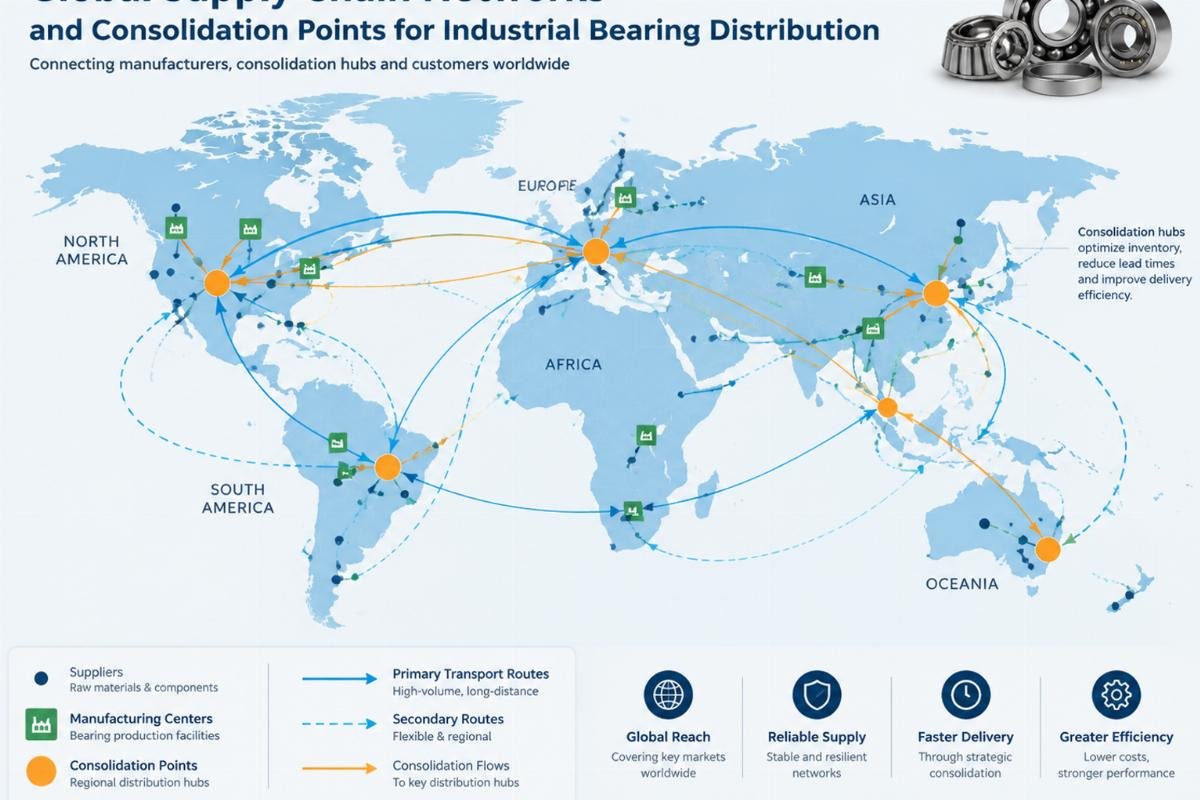
Sourcing reliable pump bearing equivalents for pulp pumps requires a partner who understands the technical nuances of the application. It is not enough to find a supplier with low prices; one must find a supplier with technical expertise and genuine product traceability. A professional global full-range bearing supplier can provide the necessary cross-brand technical selection support to ensure that every equivalent meets the rigorous demands of pulp mill operations.
Such suppliers maintain massive spot inventories covering thousands of standard and special part numbers from premium global brands like SKF, FAG, NSK, and TIMKEN, as well as reliable domestic lines. This allows for flexible MOQs, ranging from single-unit emergency spare-part orders to full container consolidation shipments. For MRO operators facing urgent breakdowns, this speed and flexibility are invaluable.
Moreover, a reputable supplier provides complete traceability documentation. This ensures that every bearing can be traced back to its manufacturing origin, verifying its authenticity and quality. They also offer mixed-brand, mixed-size bearing packages, which simplifies logistics for regional distributors and large industrial clients. By consolidating shipments, buyers can reduce shipping costs and lead times significantly. [NEED_CITE: benefits of supply chain consolidation in MRO procurement]
When selecting a supplier, look for those who offer after-sales technical support for failure analysis. This service helps identify the root cause of bearing failures, allowing for better selection of equivalents in the future. It transforms the supplier from a simple vendor into a strategic partner in maintaining operational reliability.
Conclusion
Precision in selection prevents paralysis in production.
Finding the right pump bearing equivalents for pulp pumps is a technical challenge that demands attention to clearance, cage material, and sealing technology. Relying solely on dimension matching invites failure in the harsh conditions of pulp mills. By building a rigorous cross-reference matrix and partnering with suppliers who offer genuine traceability and technical support, operators can secure reliable alternatives that maintain uptime and control costs. The goal is not just to replace a part, but to preserve the integrity of the entire production line.
Tags

About the author
author
Editor covering global sourcing, supplier verification, and industrial product knowledge. Content is compiled from manufacturer specifications, industry standards, and hands-on experience with international B2B buyers. Every article is fact-checked before publishing to help procurement professionals make informed decisions.
More articles by author

