CHP Plant Bearings Wholesale Supplier: SKF, FAG, TIMKEN Genuine Stock
Selecting genuine District Heating and CHP Plant Bearings requires matching thermal conditions to prevent catastrophic failures. Learn why high load capacity alone fails in high heat, how to avoid counterfeit risks, and optimize sourcing for urgent maintenance with traceable SKF, FAG, and TIMKEN stock.
 Written by
author
- Published on
- 7 min read
- Updated
CHP Plant Bearings Wholesale Supplier: SKF, FAG, TIMKEN Genuine Stock
Higher load capacity does not mean better performance in high-temperature environments.
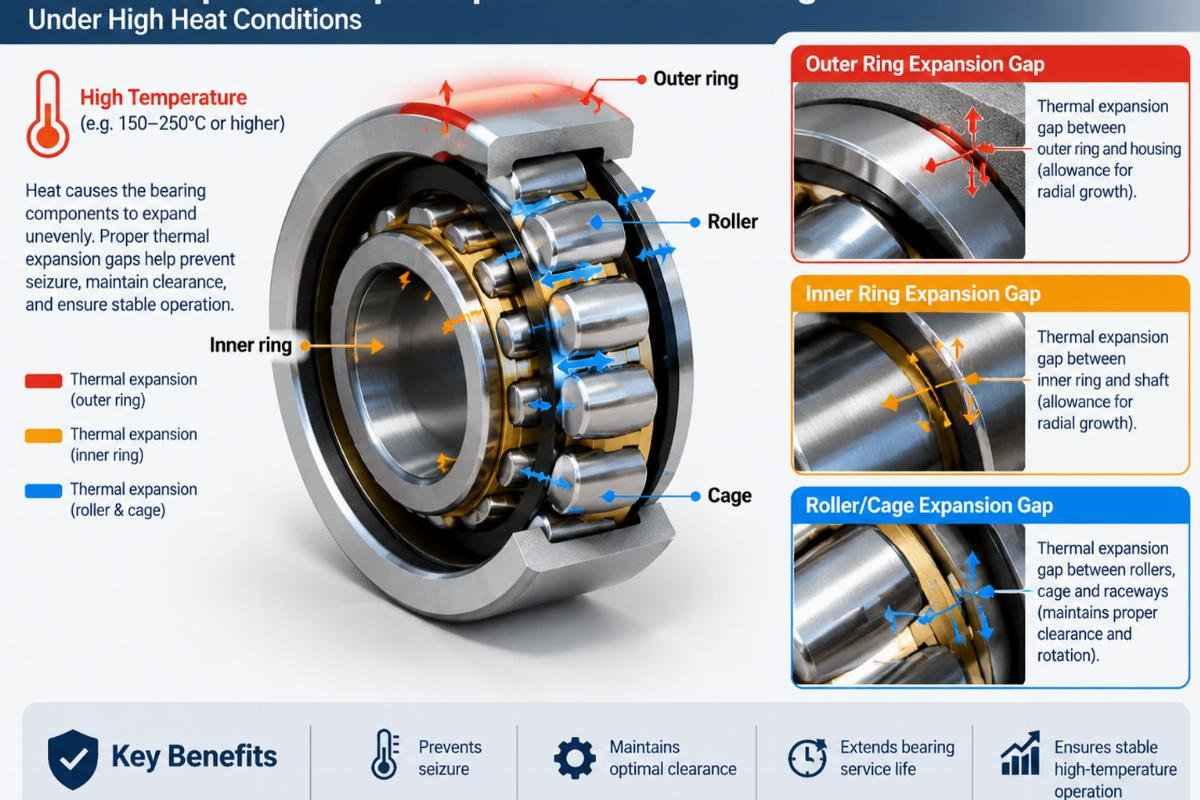
Selecting genuine, high-temperature bearings for CHP plants requires matching specific thermal and load conditions to prevent catastrophic failures and unplanned downtime. The primary failure mode is not mechanical overload but thermal expansion mismatch caused by improper internal clearance selection.
I still remember the humid air inside a power plant in Sulawesi, Indonesia. The coal conveyor had stopped. Not because of a motor burnout, but because a batch of refurbished spherical roller bearings seized solid. The maintenance team had chosen them to save costs, assuming that a “like-new” appearance meant reliable performance. They were wrong. The hidden micro-cracks in the recycled steel could not handle the continuous heavy load combined with the intense heat from the adjacent boiler section. That three-day shutdown cost the plant far more than the price difference between refurbished and genuine units. [NEED_CITE: economic impact of unplanned downtime in thermal power generation]
This experience reshaped how I approach CHP plant bearings wholesale supplier requests. It is not just about moving boxes; it is about understanding the physics of heat and load. When I consult with procurement teams now, I do not start with price. I start with the operating temperature and the contamination level. Only then do we look at the stock.
Why Do Bearings Fail Prematurely in CHP Plants?
High temperatures and coal dust contamination are the primary culprits behind unexpected seizures in conveyors and pumps.
In district heating and combined heat and power facilities, bearings operate in a hostile environment. The ambient temperature near boilers and steam turbines can rise significantly, altering the physical properties of the bearing components. Standard bearings designed for room-temperature industrial applications often fail here because their internal clearances are too tight. As the steel heats up, it expands. If there is no room for this expansion, the rolling elements jam against the raceways, generating friction, more heat, and eventual seizure. [NEED_CITE: thermal expansion coefficients of bearing steel vs operational temperature ranges]
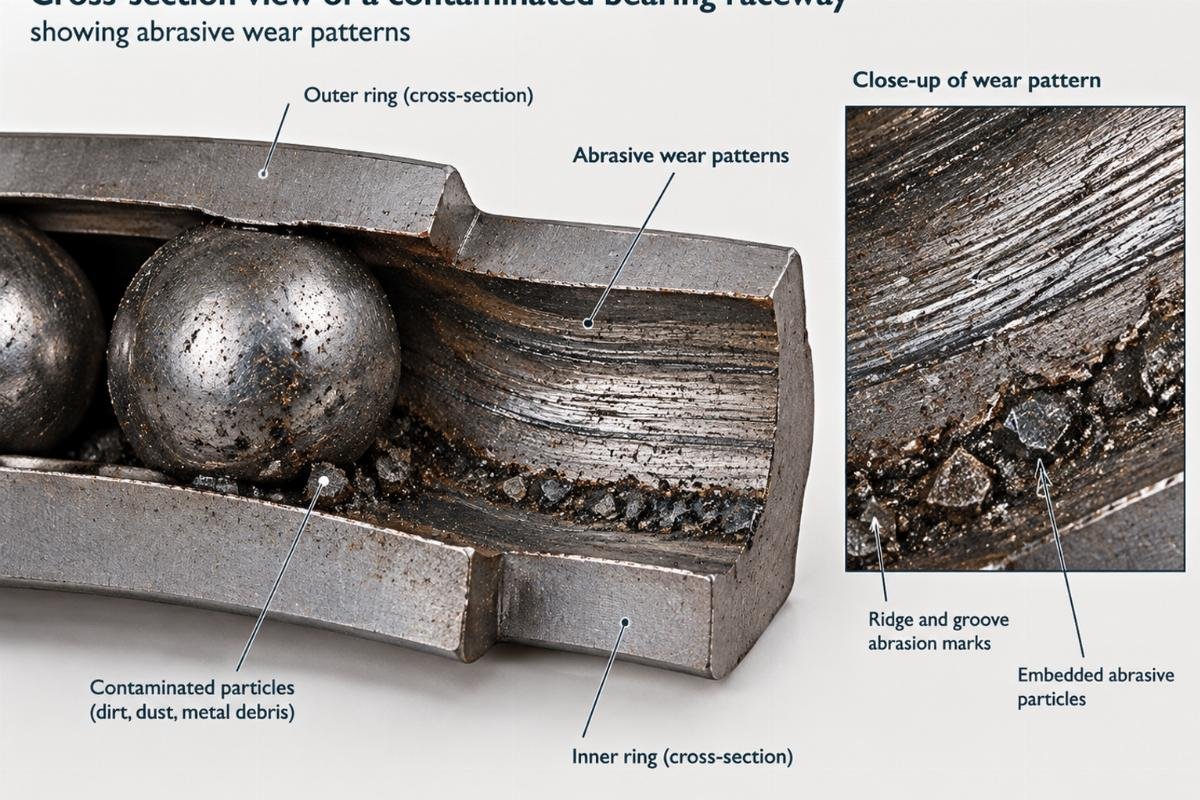
Contamination is the second silent killer. Coal dust is abrasive and fine. It penetrates standard seals and mixes with lubricant, forming a grinding paste that accelerates wear on the raceways. In one case involving a feedwater pump overhaul, the original equipment manufacturer specified cylindrical roller bearings without adequate sealing protection. The result was frequent lubrication breakdowns. Switching to genuine brands with enhanced sealing technologies and appropriate high-temperature grease extended the service life meaningfully.
The misconception that higher load capacity solves all problems is dangerous. A bearing with excessive load rating might have a heavier design that retains more heat, exacerbating the thermal issue. The key is balance. You need a bearing that can handle the dynamic loads of rotating machinery while accommodating thermal growth. This is why selecting the right CHP plant bearings wholesale supplier involves technical dialogue, not just catalog browsing.
How to Select the Right Bearing Type for Specific CHP Equipment?
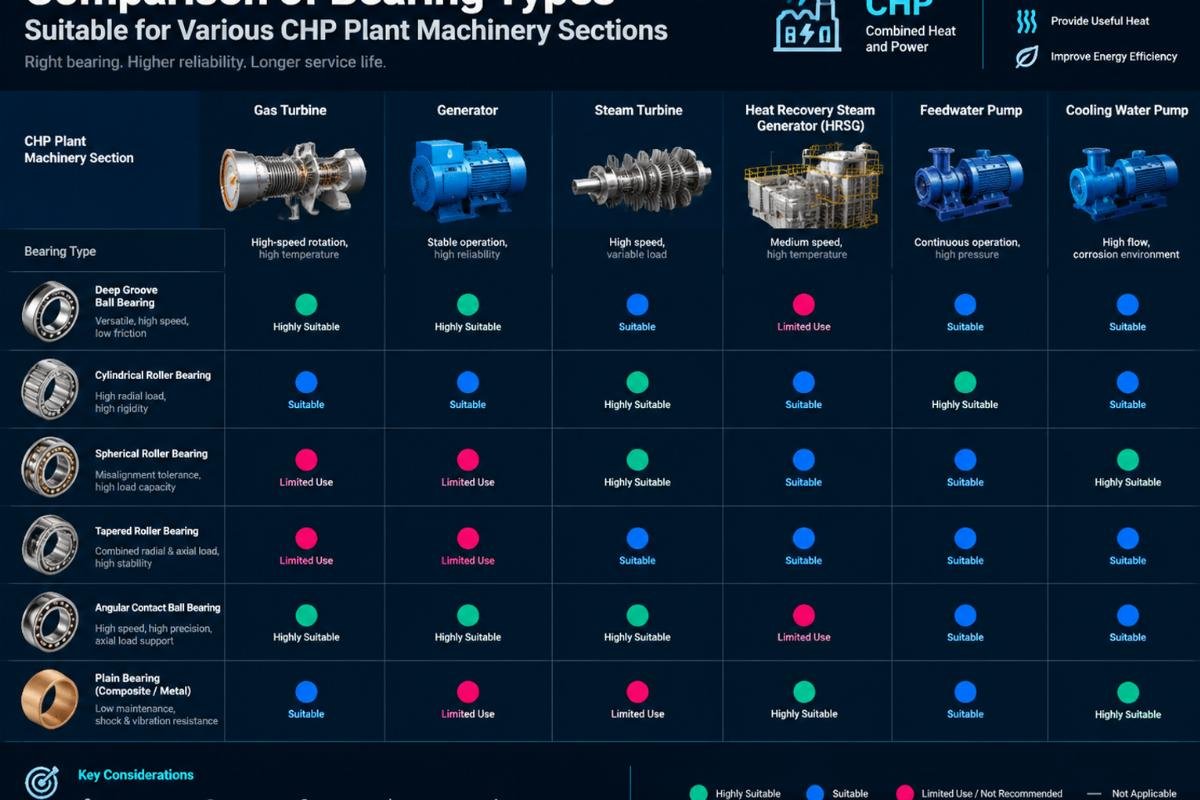
Spherical roller bearings suit heavy-load conveyors, while cylindrical roller bearings are optimal for high-speed feedwater pumps.
Different sections of a CHP plant impose different demands on bearing geometry. Understanding these distinctions is critical for minimizing maintenance frequency.
| Equipment Type | Primary Load Condition | Recommended Bearing Type | Key Selection Criterion |
|---|---|---|---|
| Coal Conveyors | Heavy Radial, Misalignment | Spherical Roller Bearings | High load capacity, self-aligning feature |
| Feedwater Pumps | High Speed, Moderate Load | Cylindrical Roller Bearings | Precision running, low friction |
| Induced Draft Fans | Combined Radial/Thrust | Angular Contact Ball Bearings | Axial load handling, speed capability |
| Boiler Circulation Pumps | High Temperature, Continuous | Special High-Temp Variants | Thermal stability, clearance class C3/C4 |
For coal conveyors, the shafts are long and prone to deflection. Spherical roller bearings can accommodate this misalignment without inducing extra stress. However, in high-temperature zones, you must specify a clearance class like C3 or C4. [NEED_CITE: ISO standard clearance classes for high-temperature applications] Standard clearance will lead to premature failure.
Feedwater pumps, on the other hand, run at high speeds. Cylindrical roller bearings offer low friction and high radial stiffness, making them ideal for maintaining precision under these conditions. Using a spherical roller bearing here would introduce unnecessary sliding friction and heat generation.
When sourcing these components, verifying the authenticity of the brand is crucial. Counterfeit bearings often use inferior steel that lacks the fatigue resistance required for these specific applications. A genuine CHP plant bearings wholesale supplier will provide traceability documentation that confirms the origin and material certification of each unit. This documentation is not just paperwork; it is insurance against sudden failure.
What Are the Hidden Risks of Using Refurbished or Counterfeit Bearings?
Recycled materials lack fatigue resistance, leading to sudden catastrophic failures that cost far more than genuine replacements.
The temptation to cut costs by buying refurbished or non-genuine bearings is strong, especially in competitive bidding scenarios. However, the risks are hidden and severe. Refurbished bearings may look clean after polishing, but the subsurface structure of the steel retains the fatigue damage from its previous life. Under the continuous heavy loads typical of CHP plants, these micro-cracks propagate rapidly, leading to sudden spalling or seizure.
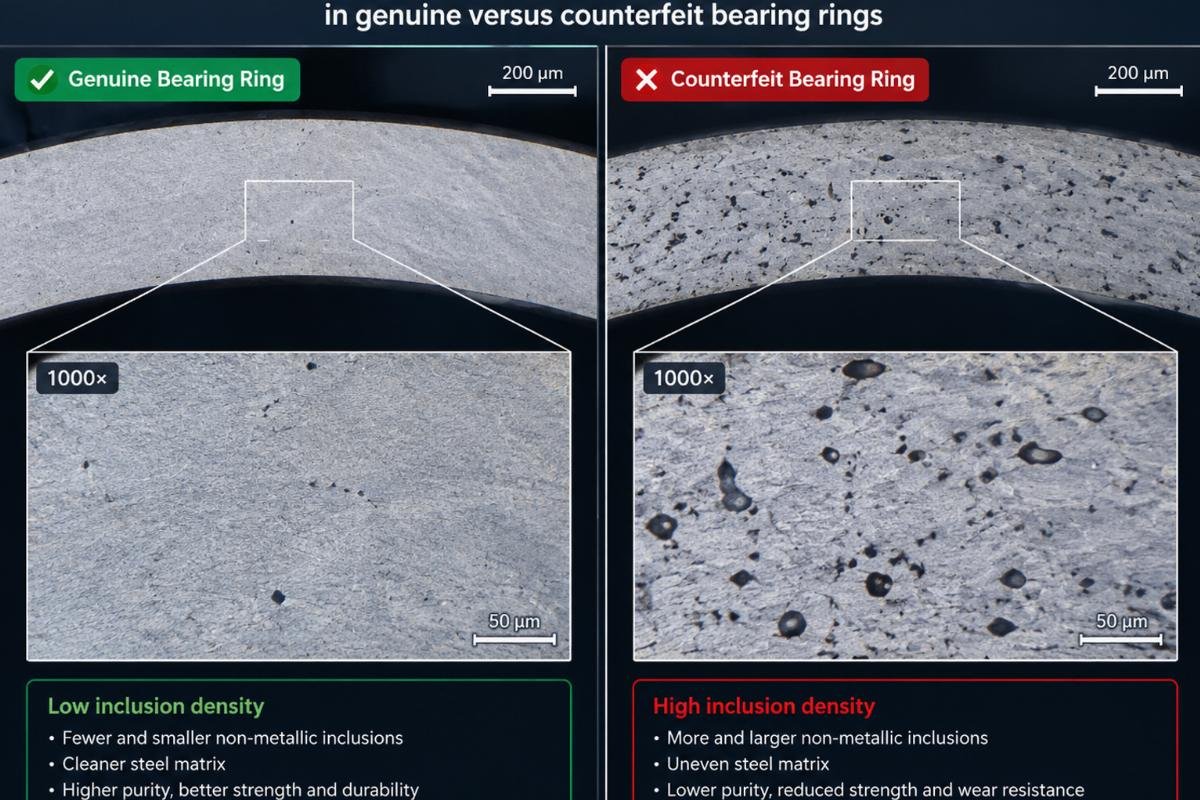
Counterfeit bearings present an even greater danger. They often mimic the packaging and markings of premium brands like SKF, FAG, or TIMKEN but use lower-grade steel with higher inclusion levels. These inclusions act as stress concentrators, initiating cracks much earlier than in genuine products. [NEED_CITE: metallurgical analysis of counterfeit vs genuine bearing steel quality]
I once assisted a distributor in Southeast Asia who received a complaint from a cement plant client. The client had purchased what they believed were genuine FAG bearings for their crusher application. Within months, multiple units failed. Upon inspection, we found that the steel hardness was inconsistent, and the surface finish was rougher than specification. The cost of replacing the damaged crusher components and the lost production time was several times the savings achieved by buying the cheaper bearings.
This is why working with a trusted CHP plant bearings wholesale supplier is essential. They do not just sell parts; they verify the supply chain. They ensure that every bearing comes from authorized channels, with full batch-level traceability. This verification process protects your operation from the hidden costs of inferior quality.
How Can Procurement Teams Optimize Sourcing for Urgent Plant Maintenance?
Partnering with global suppliers for genuine, mixed-brand consolidation ensures fast lead times and complete traceability.
Emergency maintenance situations do not allow for long lead times. When a critical pump fails, the priority is to restore operations quickly. However, rushing orders often leads to compromised quality or inflated prices. The solution lies in strategic sourcing partnerships that offer flexibility and reliability.
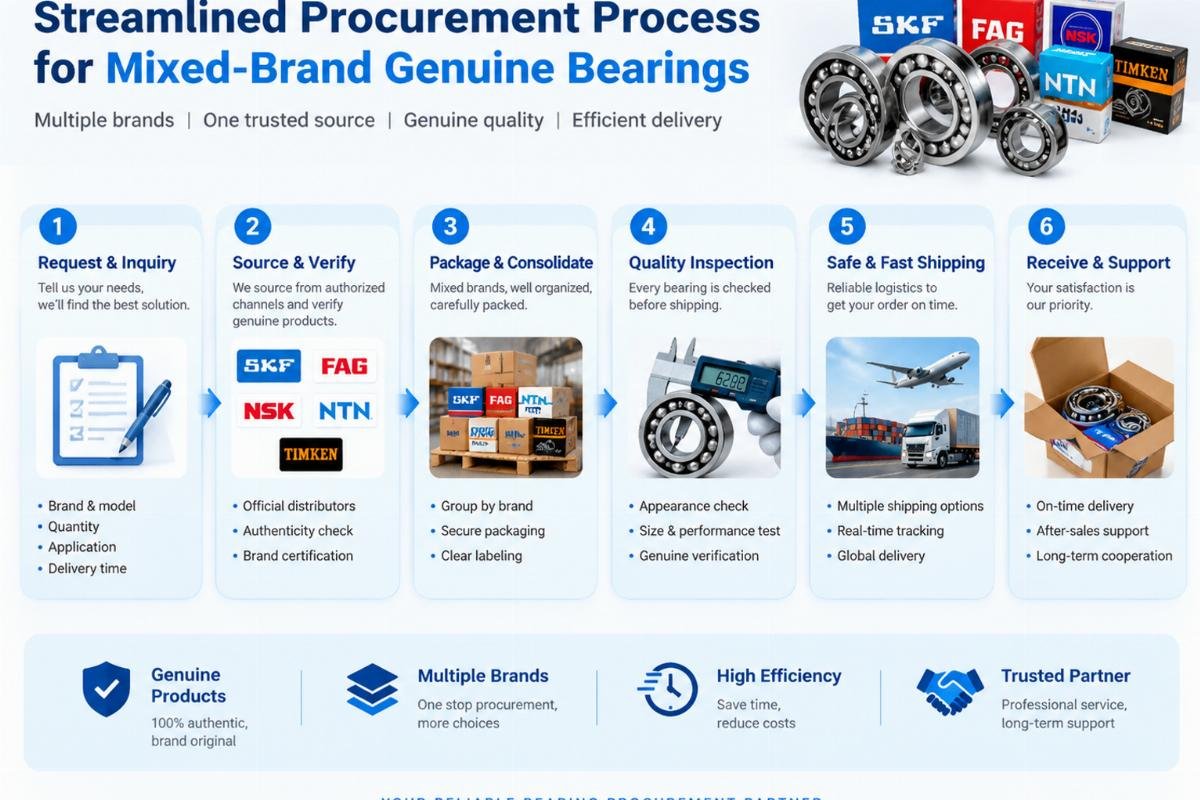
A key advantage of working with a specialized CHP plant bearings wholesale supplier is the ability to consolidate orders across multiple brands. Instead of dealing with separate distributors for SKF, FAG, and TIMKEN, you can source all required genuine bearings from a single partner. This simplifies logistics, reduces shipping costs, and ensures consistent documentation standards. [NEED_CITE: logistics efficiency in multi-brand industrial spare parts procurement]
Moreover, flexible minimum order quantities (MOQ) are vital for MRO operations. You may need only a few specific units for an urgent repair, not a full pallet. A responsive supplier will accommodate these small-batch emergency orders without penalizing pricing, ensuring that you maintain optimal inventory levels without tying up excessive capital.
Traceability is another critical factor. In regulated industries and for warranty claims, proving the authenticity of the bearing is mandatory. A professional supplier provides complete documentation, including certificates of conformity and material test reports. This transparency builds trust and simplifies audit processes.
By establishing a relationship with a reliable CHP plant bearings wholesale supplier, procurement teams can shift from reactive firefighting to proactive maintenance planning. They gain access to technical support for selection, ensuring that the right bearing is installed the first time, reducing the likelihood of repeat failures.
Conclusion
Genuine bearings with correct thermal clearance are the foundation of reliable CHP plant operations.
Premature bearing failures in district heating and power plants are rarely random. They are usually the result of mismatched specifications, contamination, or inferior quality. By understanding the specific thermal and load requirements of each application, and by sourcing from a verified CHP plant bearings wholesale supplier, operators can significantly reduce unplanned downtime. The cost of genuine, correctly selected bearings is negligible compared to the expense of a single day of lost production. Prioritize traceability, technical fit, and authentic quality over initial purchase price.
Tags

About the author
author
Editor covering global sourcing, supplier verification, and industrial product knowledge. Content is compiled from manufacturer specifications, industry standards, and hands-on experience with international B2B buyers. Every article is fact-checked before publishing to help procurement professionals make informed decisions.
More articles by author

