Crusher Bearing Failure Prevention: Genuine Wholesale Supplier
Prevent crusher bearing failure caused by improper installation and counterfeit parts. Learn why induction heating is essential to avoid metallurgical damage and how traceability documentation verifies genuine components for extended service life.
 Written by
author
- Published on
- 7 min read
- Updated
Crusher Bearing Failure Prevention: Genuine Wholesale Supplier
Most crusher bearing failures stem from improper installation and counterfeit parts, not inherent quality issues.
The primary driver of premature crusher bearing failure is rarely a defect in the metallurgy of the component itself. Instead, it is almost always the result of incorrect fitting techniques, such as open-flame heating, or the inadvertent introduction of refurbished units into the supply chain. Addressing these root causes through rigorous verification and adherence to induction heating protocols is the most effective strategy for extending service life.
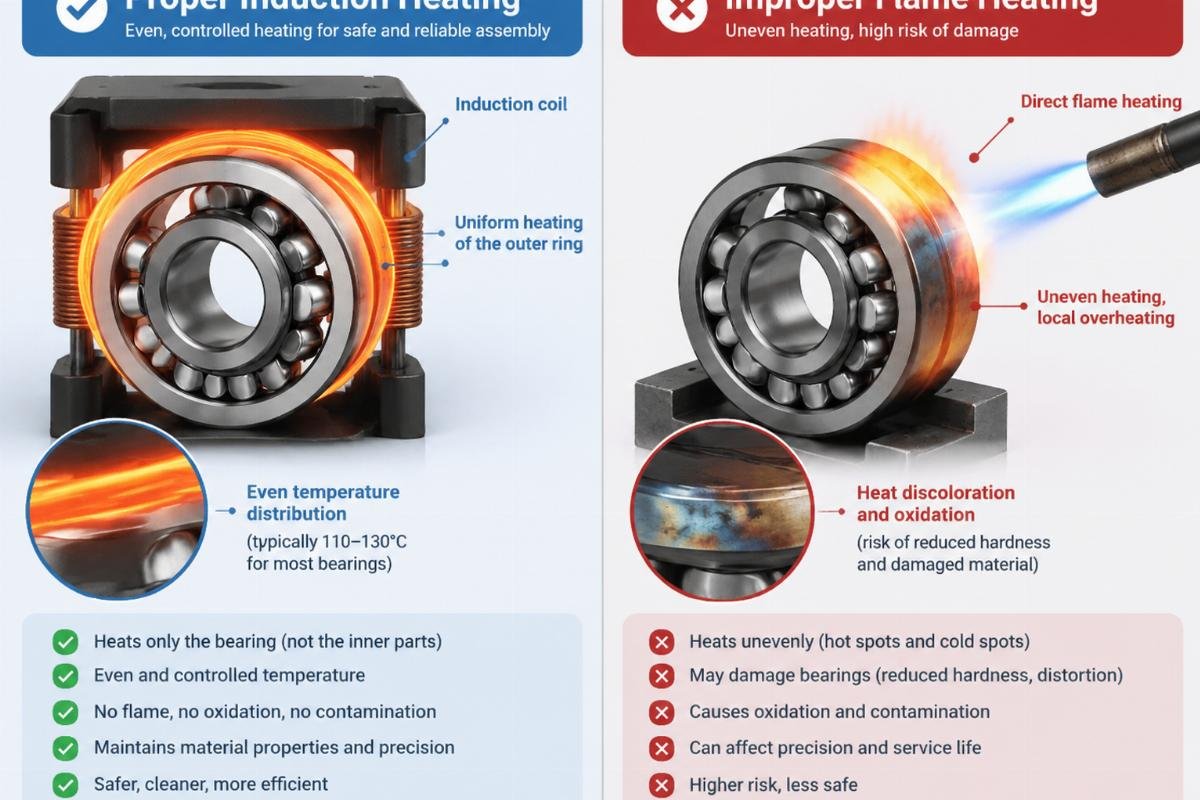
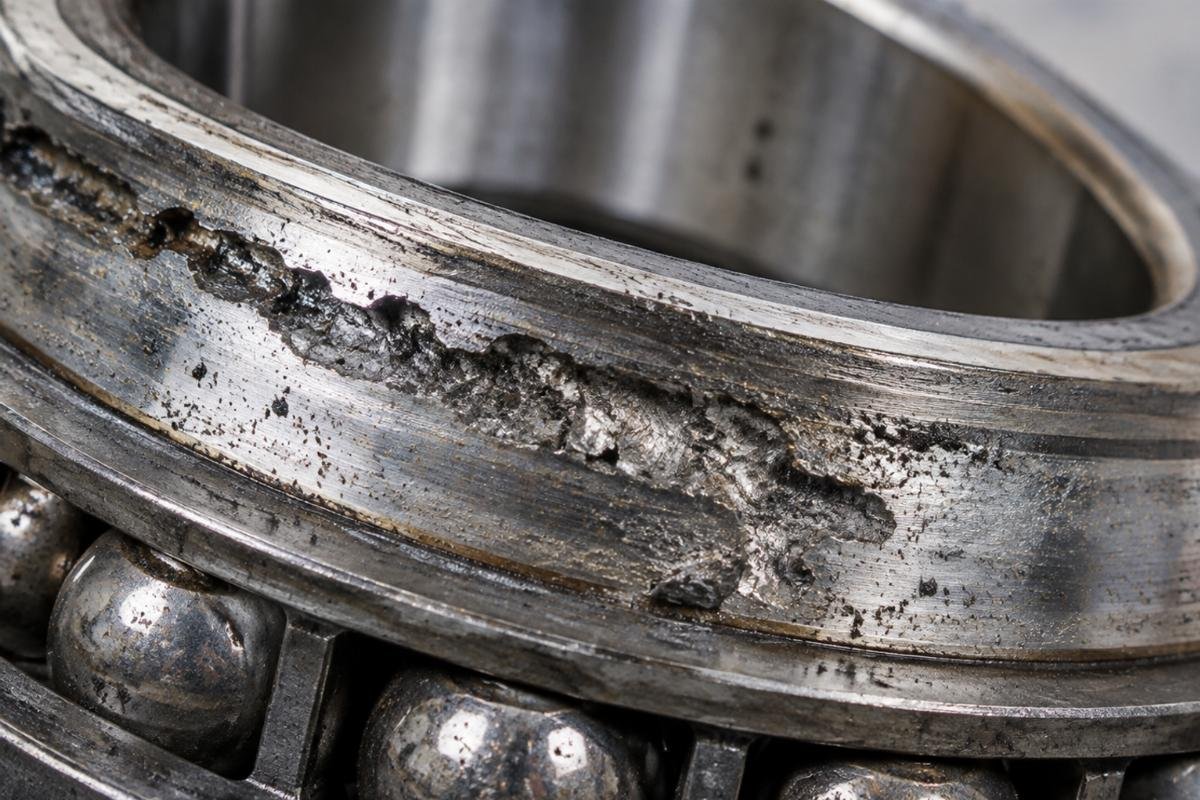
I still recall the frustration of reviewing footage from an Australian mine site. The client had reported that a main shaft bearing suffered severe spalling after only three months of operation. The visual evidence was stark: the inner ring showed clear signs of thermal damage. They had not used an induction heater. Instead, maintenance staff had applied a blowtorch directly to the inner ring to expand it for mounting. This localized overheating caused annealing, softening the steel and destroying its load-carrying capacity. That incident shifted my focus from merely managing shipping documents to ensuring that every unit leaving our warehouse is accompanied by traceability documentation and clear installation guidance. It reinforced the reality that preventing crusher bearing failure requires more than just sourcing a genuine part; it demands ensuring the end-user knows how to handle it.
What Causes Crusher Bearings to Fail Prematurely?
Contamination and improper fitting are the dominant factors in early bearing degradation.
When a bearing fails long before its calculated fatigue life, the investigation usually points to external factors rather than material defects. Industry standards classify these failure modes clearly, yet they remain prevalent in heavy crushing applications due to harsh operating environments and pressure to minimize downtime [NEED_CITE: ISO 15243 failure classification].
The most common culprit is contamination. In quarry and mining operations, dust and particulate matter are ubiquitous. If seals are compromised during installation or if the housing is not cleaned thoroughly, abrasive particles enter the rolling element path. This leads to rapid wear and increased vibration. Another frequent issue is misalignment. Crushers operate under extreme radial and axial loads. Even a slight angular misalignment can cause edge loading on the rollers, leading to premature fatigue and spalling.
Consider a case from a quarry in Africa. The site experienced persistent abnormal vibration in their primary jaw crusher. Upon inspection, the bearings appeared new, but close examination revealed subtle inconsistencies in the cage geometry and surface finish. These were not genuine new units but refurbished bearings that had been repackaged. The internal clearance was inconsistent, leading to uneven load distribution. This highlights why verifying the source is critical when trying to prevent crusher bearing failure. Relying on unverified suppliers increases the risk of introducing such compromised components into critical machinery.
How to Install Crusher Bearings Correctly?
Induction heating ensures uniform expansion without damaging the bearing metallurgy.
Proper installation is the single most important factor in achieving the designed service life of a bearing. The goal is to mount the bearing with a tight interference fit on the shaft without inducing residual stresses or altering the material properties. Using a hammer or direct flame is unacceptable for large industrial bearings.
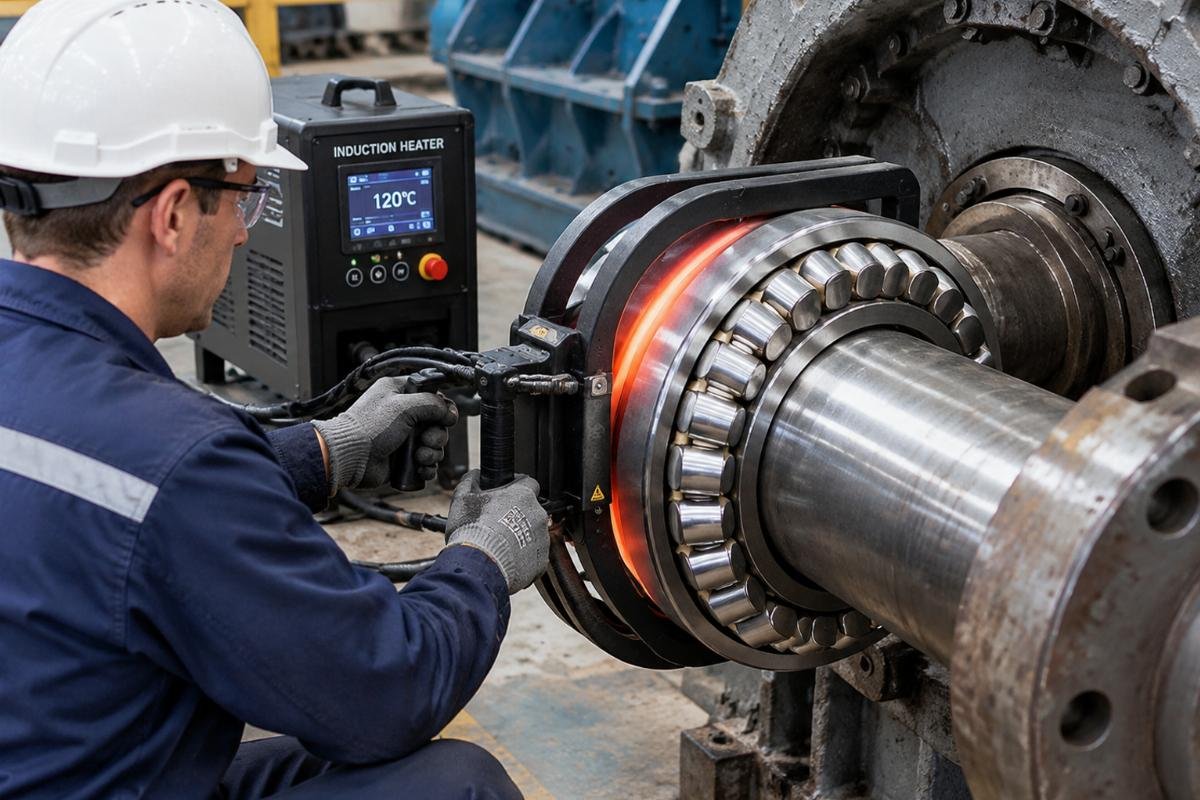
The recommended method is induction heating. This technique uses an electromagnetic field to heat the bearing inner ring uniformly and rapidly. The key is to control the temperature carefully. The bearing should never be heated above the manufacturer’s specified limit, typically around 120°C to 125°C for standard bearings, as higher temperatures can permanently alter the hardness of the steel [NEED_CITE: bearing manufacturer technical manuals].
- Preparation: Clean the shaft and housing thoroughly. Ensure all burrs are removed and the shaft diameter is verified against the bearing tolerance class.
- Heating: Place the bearing on the induction heater. Monitor the temperature using a non-contact infrared thermometer or the heater’s built-in sensor. Do not exceed the maximum allowable temperature.
- Mounting: Once the bearing reaches the target temperature, slide it onto the shaft quickly and smoothly. Ensure it seats firmly against the shoulder.
- Cooling: Allow the bearing to cool naturally. Do not use water or compressed air to accelerate cooling, as this can cause uneven contraction and internal stress.
A cement plant in Latin America reduced its unplanned downtime significantly after switching to this method. Previously, technicians used gas torches, which led to frequent seal failures and dust ingress. By adopting induction heating and providing on-site training, they ensured consistent installation quality. This procedural discipline is essential for any distributor aiming to mitigate crusher bearing failure risks for their clients.
How to Identify Counterfeit or Refurbished Bearings?
Traceability documentation and visual inspection are your first lines of defense.
The market is flooded with bearings that look authentic but lack the performance characteristics of genuine products. These may be outright counterfeits or, more subtly, refurbished units sold as new. Identifying them requires a combination of documentation checks and physical inspection.
Genuine bearings from premium brands come with complete traceability. This includes batch numbers, material certificates, and proof of origin. If a supplier cannot provide these documents, the risk of receiving non-genuine goods is high. Our approach involves maintaining strict chain-of-custody records for every unit, ensuring that clients in over 80 countries receive verifiable products.
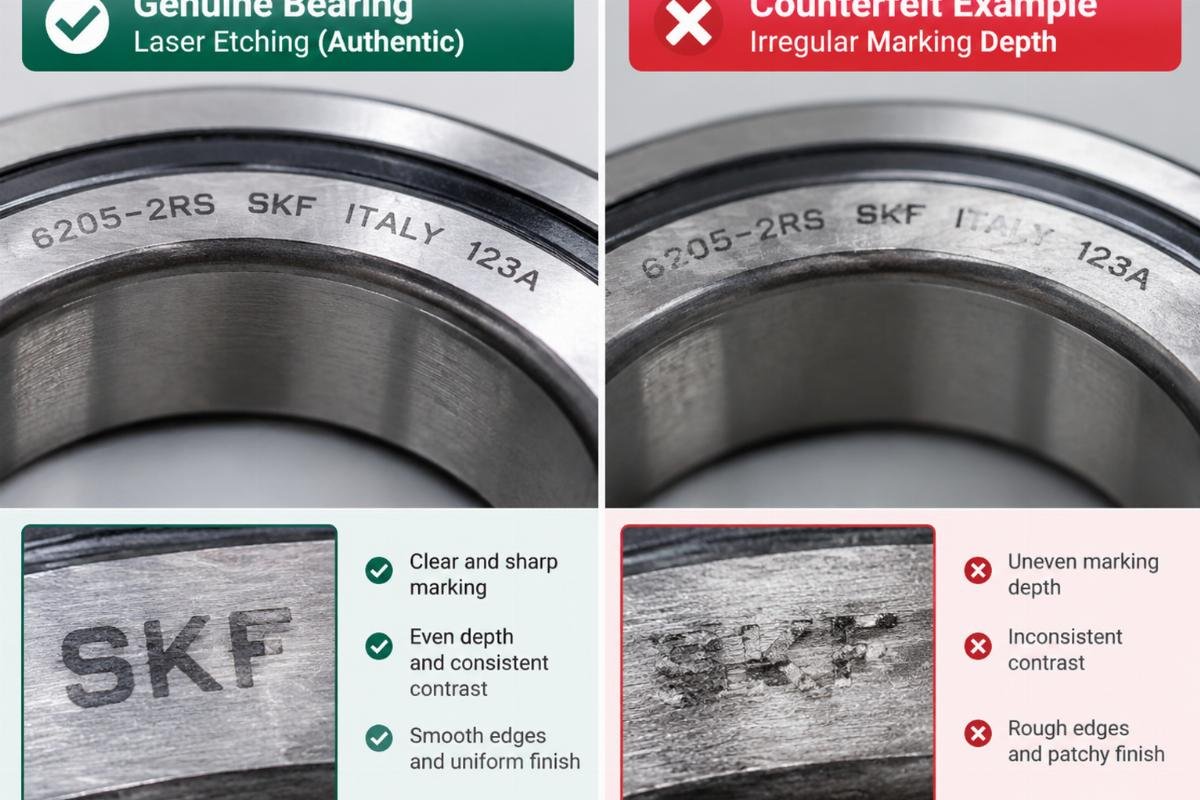
Visual inspection can also reveal red flags. Look for inconsistencies in laser etching, packaging quality, and surface finish. Refurbished bearings may have polished races that hide previous wear patterns. The cage might show signs of previous lubrication residue that has not been fully cleaned.
| Inspection Point | Genuine New Bearing | Refurbished/Counterfeit Risk |
|---|---|---|
| Packaging | High-quality, brand-specific box with holograms | Generic or damaged packaging, misspelled labels |
| Etching | Crisp, deep, and evenly spaced laser marks | Faint, uneven, or painted-on markings |
| Surface Finish | Uniform, smooth, and free of discoloration | Polished areas, slight discoloration, or residue |
| Documentation | Full batch traceability and material certs | Missing, generic, or unverifiable papers |
A distributor in Southeast Asia once received a shipment that looked correct at first glance. However, the laser etching on the outer ring was slightly shallower than usual, and the batch number did not match the certificate provided. By rejecting this shipment, they avoided potential crusher bearing failure incidents across their customer base. This vigilance is crucial for maintaining reputation and operational reliability.
What Maintenance Steps Prevent Unexpected Downtime?
Regular condition monitoring and proper lubrication extend bearing life significantly.
Even with perfect installation and genuine components, bearings require ongoing care to survive the harsh conditions of crushing applications. Lubrication is the most critical maintenance activity. It forms a film that separates the rolling elements from the races, reducing friction and wear. However, over-lubrication can be just as harmful as under-lubrication, causing churning and overheating.
Vibration analysis is a powerful tool for detecting early signs of distress. By monitoring vibration levels, maintenance teams can identify issues like imbalance, misalignment, or developing fatigue before they lead to catastrophic failure. Setting baseline thresholds and tracking trends allows for planned interventions rather than emergency repairs.
Seal integrity is another key area. Damaged seals allow contaminants to enter and lubricant to escape. Regular visual inspections of seals during scheduled maintenance stops can prevent many issues. In one instance, a mining operator noticed minor grease leakage from a crusher bearing. Investigation revealed a damaged seal lip. Replacing the seal during a planned shutdown prevented dust ingress and subsequent crusher bearing failure, saving weeks of potential downtime.
Implementing a structured maintenance routine that includes lubrication management, vibration monitoring, and seal inspection is essential. For distributors, offering technical support on these practices adds significant value beyond the product itself. It helps clients optimize their operations and reduces the likelihood of warranty claims related to misuse.

Conclusion
Preventing premature failure requires genuine parts, correct installation, and disciplined maintenance.
The majority of crusher bearing failure cases are avoidable. By focusing on proper induction heating techniques, verifying the authenticity of components through traceability, and implementing robust maintenance routines, operators can maximize equipment uptime. Sourcing from a supplier who prioritizes these aspects ensures that the bearings delivered are not only genuine but supported by the technical knowledge needed for successful application.
Tags

About the author
author
Editor covering global sourcing, supplier verification, and industrial product knowledge. Content is compiled from manufacturer specifications, industry standards, and hands-on experience with international B2B buyers. Every article is fact-checked before publishing to help procurement professionals make informed decisions.
More articles by author

