Do Nordic Buyers Need a Local Bearing Distributor?
Stop overpaying local Nordic bearing distributors for niche SKUs with long lead times. Source directly from China using mixed-container consolidation to lower total procurement costs. Implement strict customs documentation to avoid delays and access deeper inventory than regional middlemen provide.
 Written by
author
- Published on
- 7 min read
- Updated
Do Nordic Buyers Need a Local Bearing Distributor?
Local distributors do not guarantee speed for niche SKUs.
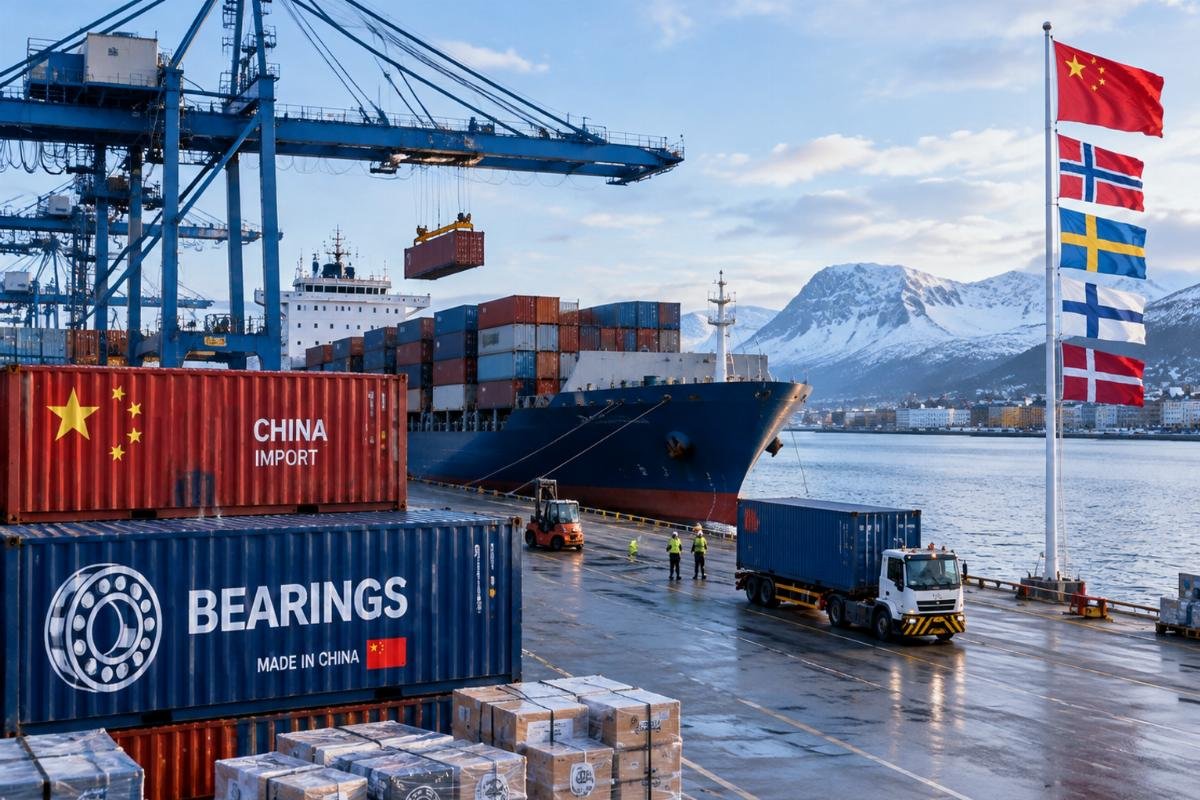
Nordic buyers can achieve lower total procurement costs by sourcing directly from China, provided they implement strict mixed-container consolidation and precise customs documentation management.
The snow in Gothenburg does not care about your purchase order number. I learned this the hard way years ago while handling documentation for a shipment of SKF bearings destined for a Swedish industrial client. A single digit error in the country of origin code on the certificate triggered a customs hold during a severe winter storm. The cargo sat idle for two weeks, accumulating demurrage charges that erased any margin we had built. The client’s frustration was palpable; they claimed their local supplier would have resolved the issue faster. That incident forced a fundamental shift in how I approach logistics. It revealed that the perceived safety of local intermediaries often masks structural inefficiencies, particularly when dealing with non-standard parts or urgent maintenance needs. [NEED_CITE: common causes of customs delays in EU ports]
This experience highlights a critical gap in the traditional supply chain model. While local presence offers convenience, it rarely offers cost efficiency or inventory depth for specialized requirements. By understanding the mechanics of direct sourcing, procurement managers can bypass these hidden bottlenecks.
Why Do Nordic Buyers Rely on Local Distributors?
Historical pain points like long lead times and high premiums drive reliance on local intermediaries.
For decades, industrial buyers in Sweden, Norway, and Denmark have turned to local bearing distributors as a risk mitigation strategy. The logic is straightforward: if a machine fails, a local stockist can deliver a replacement within hours. This immediacy comes at a steep price. Local distributors operate with significant overheads, including warehousing, local sales teams, and regional compliance costs. These expenses are passed down to the buyer in the form of substantial markups. [NEED_CITE: typical distribution markup structures in industrial components]
Moreover, local distributors rarely maintain deep inventory across all brands and specifications. They focus on high-turnover standard items. When a facility requires a specific spherical roller bearing or a precision angular contact ball bearing for a legacy machine, the local distributor often faces the same lead time as the end-user. They must order from the manufacturer or a regional hub, which introduces delays identical to direct importing but at a higher cost.
I recall working with a maintenance manager at a pulp and paper mill in Finland. He needed a specific tapered roller bearing that was not part of his regular stock. His local supplier quoted a twelve-week lead time, citing global supply constraints. By sourcing directly through a consolidated channel, we identified available stock in a different region and arranged air freight for the urgent unit while sea-freighting the bulk reorder. The total cost was still lower than the local quote, and the critical unit arrived in days, not months. This demonstrates that local presence does not equate to inventory availability for niche SKUs.

The reliance on local distributors is often a habit formed during periods of less transparent global logistics. Today, with digital tracking and professional consolidation services, the information asymmetry that favored local middlemen has largely disappeared. Buyers no longer need to pay for proximity when they can pay for precision and planning.
What Are the Hidden Costs of Local Bearing Distribution?
High overheads and middleman markups inflate final procurement prices significantly.
When evaluating the cost of bearings, most buyers look at the unit price. However, the total cost of ownership includes storage, capital tie-up, and the premium paid for immediate availability. Local distributors must maintain safety stock to meet service level agreements. This inventory sits in expensive real estate in high-wage countries. The cost of holding this stock is embedded in every invoice. [NEED_CITE: inventory carrying cost factors in industrial distribution]
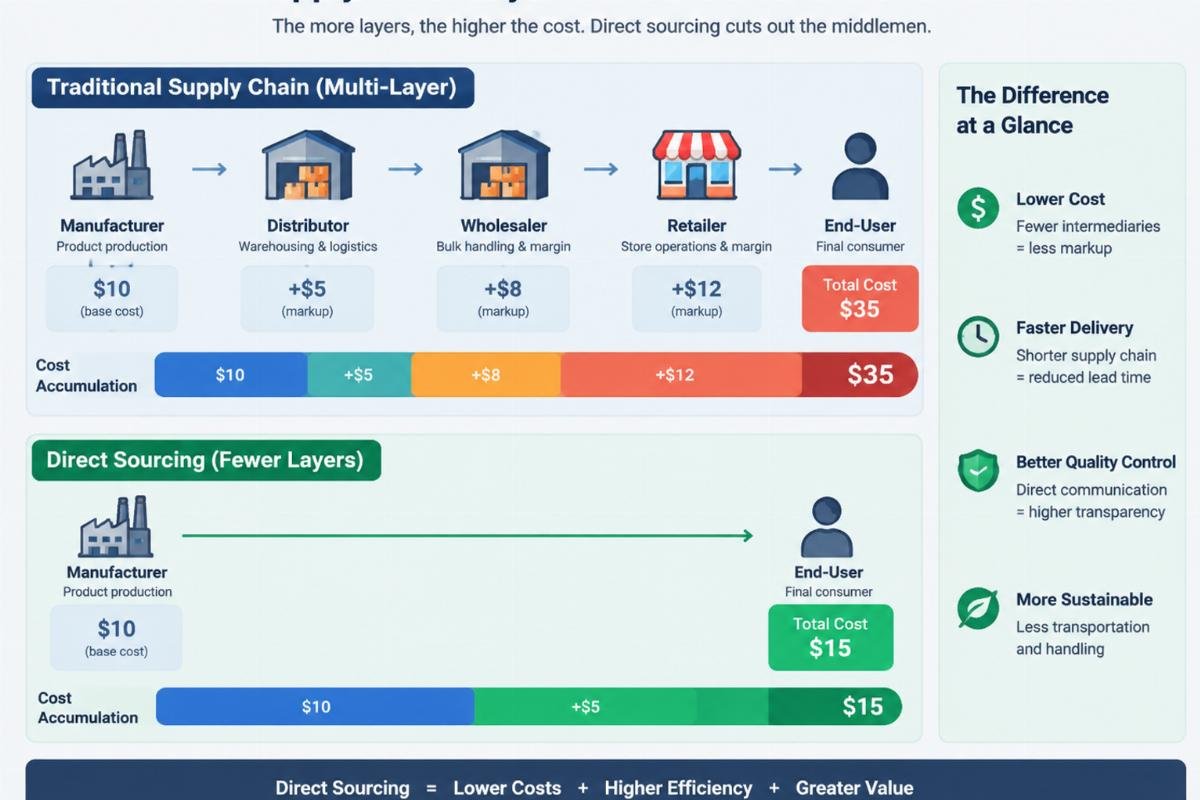
Furthermore, the fragmentation of the supply chain adds layers of complexity. A local distributor may source from a national wholesaler, who sources from a regional importer, who sources from the manufacturer. Each layer adds a margin. In contrast, direct sourcing from a professional global full-range bearing supplier eliminates these intermediate steps. This allows buyers to access wholesale-tier pricing that is typically reserved for large-volume distributors.
Consider the case of an automotive aftermarket supplier in Denmark. They were purchasing deep-groove ball bearings and needle bearings through a local channel. By switching to a direct sourcing model with mixed-brand consolidation, they reduced their per-unit cost noticeably. More importantly, they gained access to a broader range of brands, including NSK, NTN, and TIMKEN, without having to manage multiple local accounts. This consolidation simplified their procurement process and improved their cash flow.
The hidden cost is not just financial; it is also operational. Managing relationships with multiple local suppliers for different brands consumes valuable procurement time. Direct sourcing centralizes this effort, allowing buyers to leverage the expertise of a single partner who understands the nuances of cross-brand compatibility and technical selection.
How to Manage Mixed-Container Shipping from China?
Strategic palletization and strict documentation ensure smooth Nordic port clearance.
The biggest fear for Nordic buyers considering direct imports is the complexity of logistics. How do you order small quantities of various bearings without filling an entire container? The answer lies in mixed-container shipping. This method allows buyers to combine different brands, types, and sizes into a single shipment. It optimizes space utilization and reduces freight costs per unit. [NEED_CITE: benefits of LCL versus FCL consolidation for industrial parts]
However, mixed-container shipping requires meticulous planning. Each brand and type must be clearly labeled and documented. The HS codes must be verified to ensure accurate customs classification. A mistake here can lead to delays, as I experienced in Gothenburg. To prevent this, professional suppliers provide complete traceability documentation, including certificates of origin and material test reports. This documentation is crucial for clearing customs in strict regulatory environments like the EU.
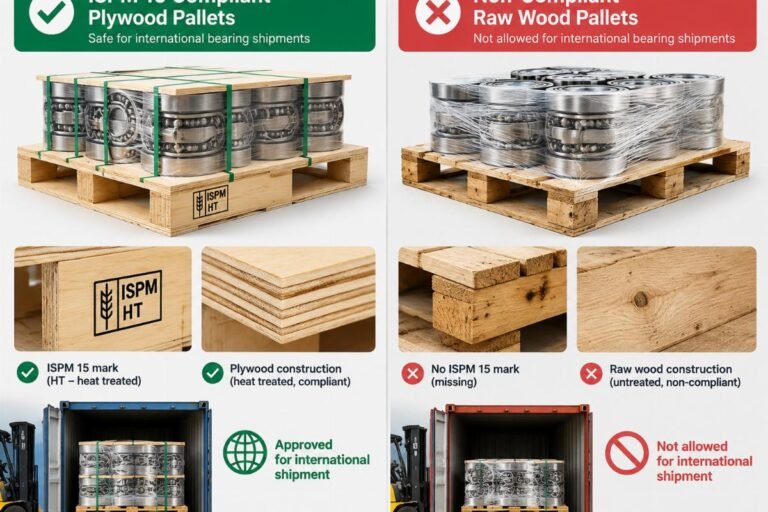
A European wind farm operator once faced challenges with importing specialized insert bearings and thrust bearings for turbine maintenance. They needed a mix of SKF, FAG, and INA products. By using a one-stop mixed-brand consolidation service, they were able to pack these diverse items into a single twenty-foot container. The supplier handled the palletization to maximize space and ensure stability during transit. The documentation was prepared in advance, matching the exact contents of each pallet. The shipment cleared customs without inspection, arriving just in time for a scheduled maintenance window.
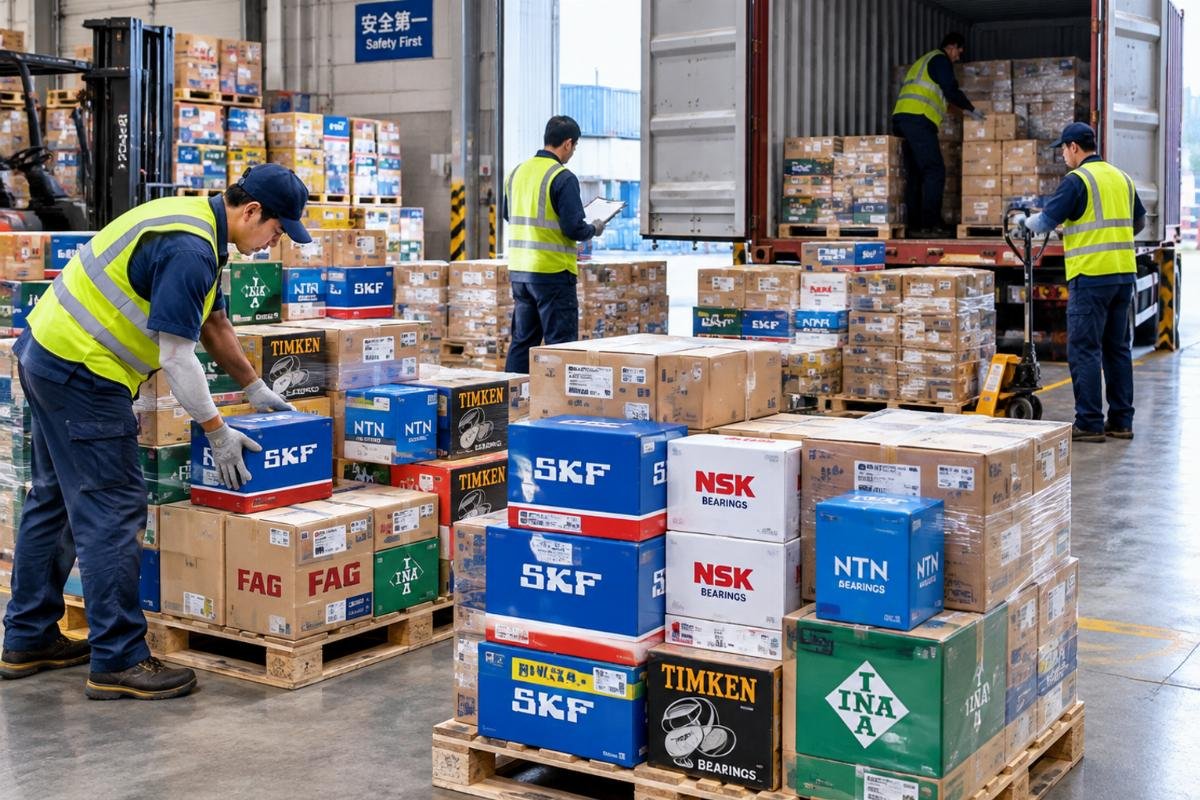
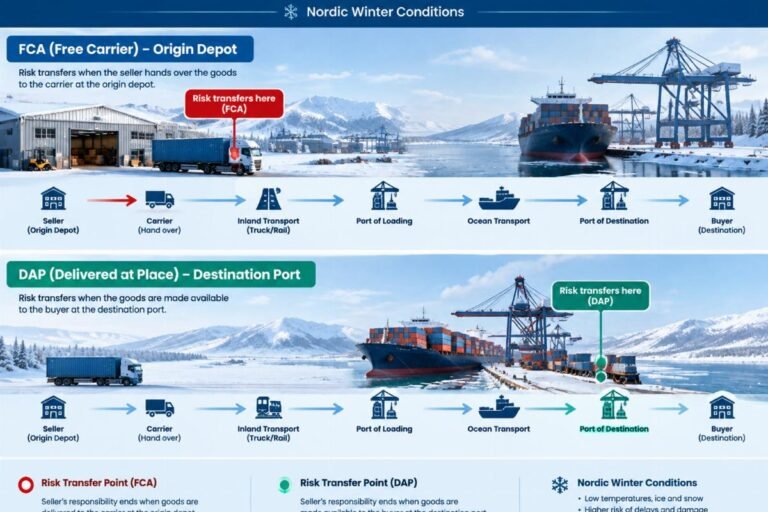
Key to this success is the use of Incoterms that define responsibility clearly. For Nordic ports, terms like CIF or DDP can simplify the buyer’s role, but many experienced buyers prefer FOB to maintain control over the freight forwarder. Regardless of the term, the accuracy of the commercial invoice and packing list is paramount. Professional suppliers understand these requirements and structure their documentation to meet Nordic customs standards.
Can China Direct Sourcing Match Local Lead Times?
Massive spot inventory and optimized logistics beat local distributor restocking cycles.
The myth that local distributors are always faster is debunked by the reality of global inventory networks. Large Chinese suppliers maintain massive spot inventories of standard and special part numbers. This inventory is often deeper than that of local distributors, who limit stock to fast-moving items. When a local distributor runs out, they must wait for replenishment from their own suppliers. When a direct buyer orders from a major Chinese supplier, they tap into a global pool of stock. [NEED_CITE: global bearing inventory distribution trends]
For non-standard SKUs, the difference is even more pronounced. Local distributors rarely stock obscure sizes or precision grades. Sourcing these locally often involves special orders with long lead times. Direct sourcing allows buyers to access these items from a broader network. With expedited shipping options, such as air freight for urgent spares, the total lead time can be shorter than waiting for a local special order.
A mining company in Sweden needed emergency replacements for cylindrical roller bearings used in heavy crushers. The local supplier had no stock and quoted a six-week lead time. By contacting a direct supplier with a comprehensive inventory, they found the exact specifications in stock. Air freight delivered the bearings in three days. The cost of air freight was offset by the avoidance of production downtime, which would have cost far more. This case illustrates that speed is a function of inventory availability, not just geographic proximity.

Moreover, direct suppliers offer technical support that can accelerate the selection process. Instead of waiting for a local sales engineer to consult with the manufacturer, buyers can access cross-brand equivalent model consultation directly. This reduces the time spent on specification verification and ensures that the correct bearing is ordered the first time.
Conclusion
Direct sourcing is a viable, cost-effective alternative to local distribution for informed buyers.
Nordic buyers do not need to rely solely on local bearing distributors to ensure supply continuity. By leveraging mixed-container shipping and maintaining rigorous documentation standards, they can access lower costs and broader inventory. The key is to partner with suppliers who understand the nuances of Nordic customs and logistics. This approach transforms procurement from a reactive cost center into a strategic advantage.
Tags

About the author
author
Editor covering global sourcing, supplier verification, and industrial product knowledge. Content is compiled from manufacturer specifications, industry standards, and hands-on experience with international B2B buyers. Every article is fact-checked before publishing to help procurement professionals make informed decisions.
More articles by author