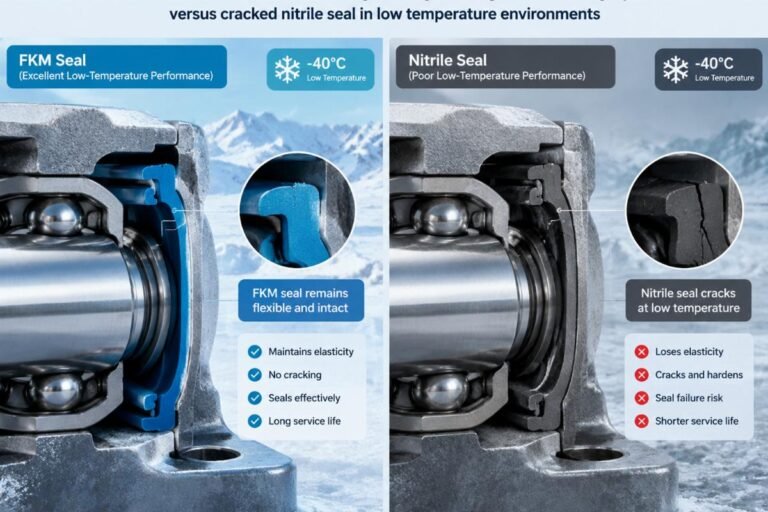
Heavy-Duty Pillow Blocks for Sawmills & Planers Wholesale Supplier
Select heavy-duty pillow blocks for sawmills by prioritizing multi-lip sealing and split housings over standard load ratings to survive wood dust. Prevent abrasive wear and vibration failures with designs that extend relubrication intervals. Verify material certs and field data to ensure genuine performance and minimize unplanned downtime.
 Written by
author
- Published on
- 7 min read
- Updated

Heavy-Duty Pillow Blocks for Sawmills & Planers Wholesale Supplier
Higher load ratings do not stop bearing failures in sawmills.
Selecting heavy-duty pillow blocks for sawmills requires prioritizing multi-lip sealing and split housing designs over standard catalog specifications to survive wood dust and heavy vibrations. Standard units fail because fine particulate matter bypasses basic seals, causing abrasive wear long before load limits are reached.
The air in a sawmill does not just smell of pine; it carries a fine, abrasive grit that infiltrates every mechanical joint. I recall standing on the floor of a busy hardwood processing facility, watching a headrig operator struggle with frequent stoppages. The maintenance team kept replacing bearings that had seized within weeks, blaming excessive radial loads from the heavy logs. However, upon inspection, the failure mode was not fatigue spalling from overload but severe abrasive wear caused by wood dust ingress. The original equipment manufacturer had specified standard industrial pillow blocks, which were adequate for clean factory floors but disastrous in this environment. Switching to units with robust sealing systems and split housings transformed their maintenance schedule, reducing replacement frequency significantly. This shift from focusing solely on load capacity to addressing environmental protection is the critical insight for any buyer navigating the market for heavy-duty pillow blocks for sawmills.
Understanding why standard components fail is the first step toward selecting the right solution. The following sections break down the technical requirements for these harsh environments, ensuring your procurement decisions align with operational reality rather than just brochure specifications.
Why Standard Pillow Blocks Fail in Sawmills?
Wood dust and vibration destroy standard seals, not just load.
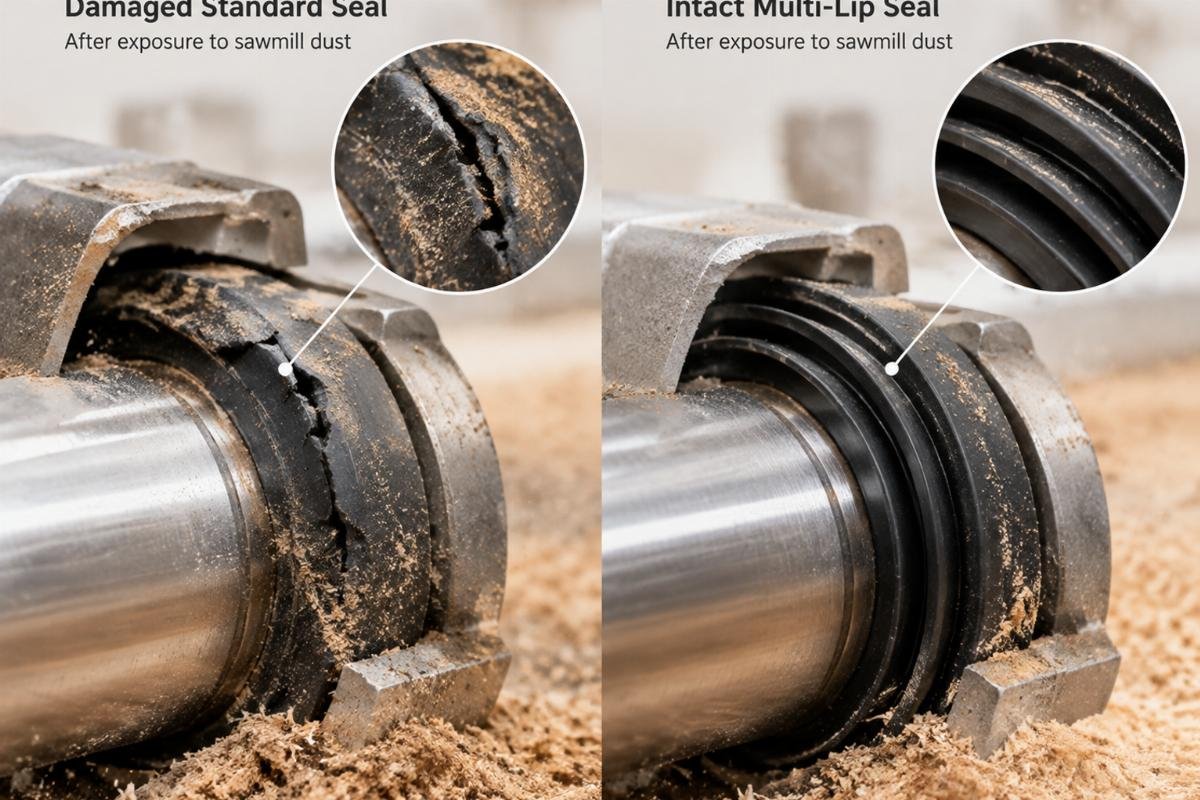
Most procurement specifications focus heavily on dynamic load ratings, assuming that a higher number guarantees longer life. In woodworking environments, this is a fundamental misconception. The primary enemy is not the weight of the timber but the microscopic particles of wood fiber and silica that become airborne during cutting and planing. These particles are highly abrasive and can penetrate standard single-lip rubber seals with ease. Once*te that accelerates wear on rolling elements and raceways. [NEED_CITE: tribology studies on abrasive wear mechanisms in contaminated lubricants]
Furthermore, sawmills generate significant vibration due to the intermittent nature of cutting forces and the imbalance of large rotating logs. Standard solid housings, while rigid, can transmit these vibrations directly to the bearing outer ring. If the fit between the shaft and the inner ring is not perfectly maintained, micro-movement occurs, leading to fretting corrosion. This phenomenon weakens the shaft surface and creates loose fits that exacerbate vibration, creating a vicious cycle of failure.
Consider the case of a conveyor system in a Southeast Asian plywood mill. The tail pulleys were equipped with standard cast iron pillow blocks. Despite adequate load capacity, the bearings failed repeatedly due to dust ingress and vibration-induced loosening. The maintenance team noted that the seals were often torn or displaced after just a few months of operation. By upgrading to units with enhanced sealing technologies, they addressed the root cause rather than the symptom. For buyers sourcing heavy-duty pillow blocks for sawmills, recognizing that sealing efficiency is more critical than marginal increases in load rating is essential for minimizing unplanned downtime.
Split vs. Solid Housings: Which Suits Planers?
Split designs accommodate shaft deflection and simplify maintenance.
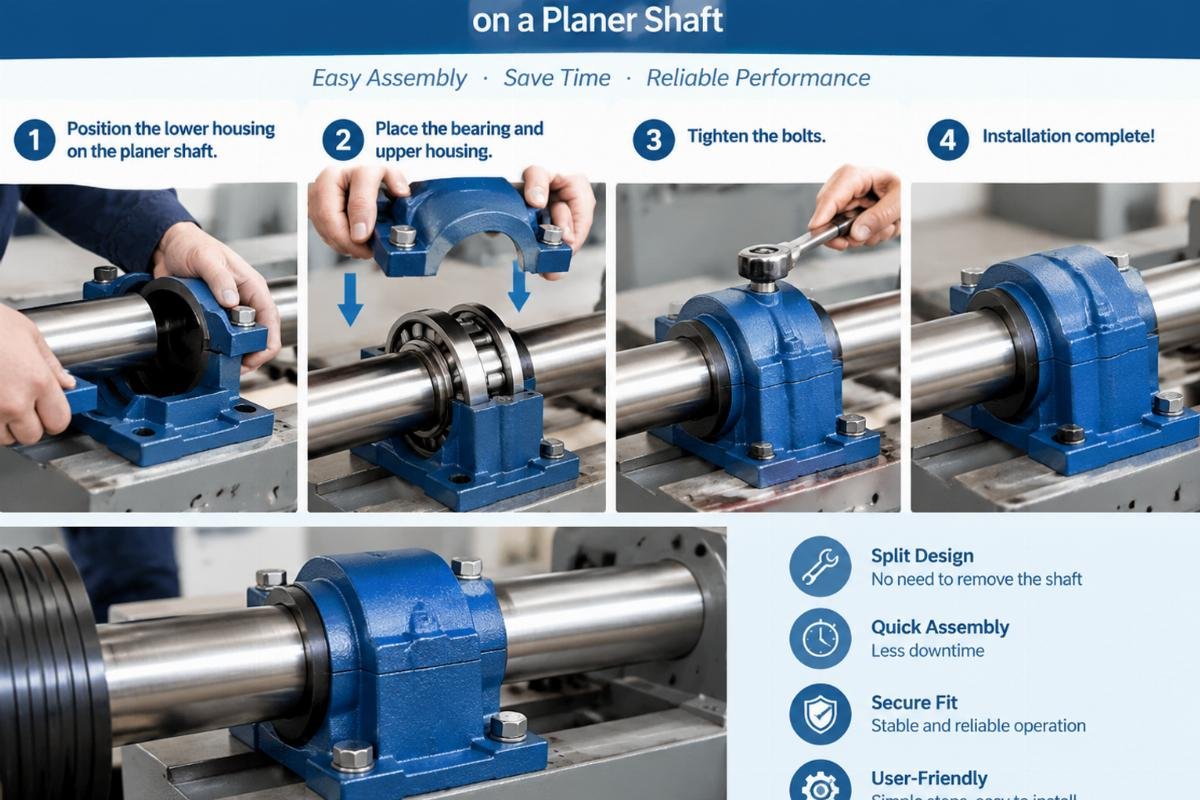
When evaluating housing types for planers and other heavy woodworking machinery, the choice between split and solid designs is pivotal. Solid housings are typically cheaper and easier to manufacture, but they present significant challenges in high-vibration environments. Installing a bearing into a solid housing requires sliding it along the shaft, which can be difficult if the shaft has shoulders or other components in place. More importantly, solid housings do not allow for easy adjustment of the bearing position or preload, which is often necessary to compensate for shaft deflection under heavy loads.
Split housings, on the other hand, offer distinct advantages. They consist of two halves that bolt together, allowing for installation at any point along the shaft. This feature simplifies maintenance and reduces downtime during replacements. Additionally, split designs can better accommodate slight misalignments and shaft deflections, reducing stress on the bearing elements. The ability to tighten the housing bolts to a specific torque ensures a secure fit that resists loosening from vibration, a common issue in planer feed rolls where continuous engagement with timber generates constant shock loads.
A European furniture manufacturer experienced chronic issues with their planer feed rolls. The solid housings would gradually loosen, causing misalignment and premature bearing failure. After switching to split housing units, they reported a noticeable extension in relubrication intervals and a reduction in vibration-related failures. The split design allowed for precise alignment and secure mounting, effectively mitigating the effects of heavy operational loads. For distributors and MRO managers looking for heavy-duty pillow blocks for sawmills, recommending split housings for high-vibration applications like planers can significantly enhance equipment reliability.
Sealing Technologies Compared: Labyrinth vs. Multi-lip
Multi-lip seals are mandatory for fine sawdust environments.
Sealing technology is the most critical differentiator in bearing performance for woodworking applications. Two primary types are commonly encountered: labyrinth seals and multi-lip seals. Labyrinth seals rely on a series of intricate channels and gaps that create a tortuous path for contaminants. While effective against larger particles and splash water, they are less effective against fine, dry wood dust that can become airborne and settle into the gaps. [NEED_CITE: ISO standards for bearing seal efficiency ratings]
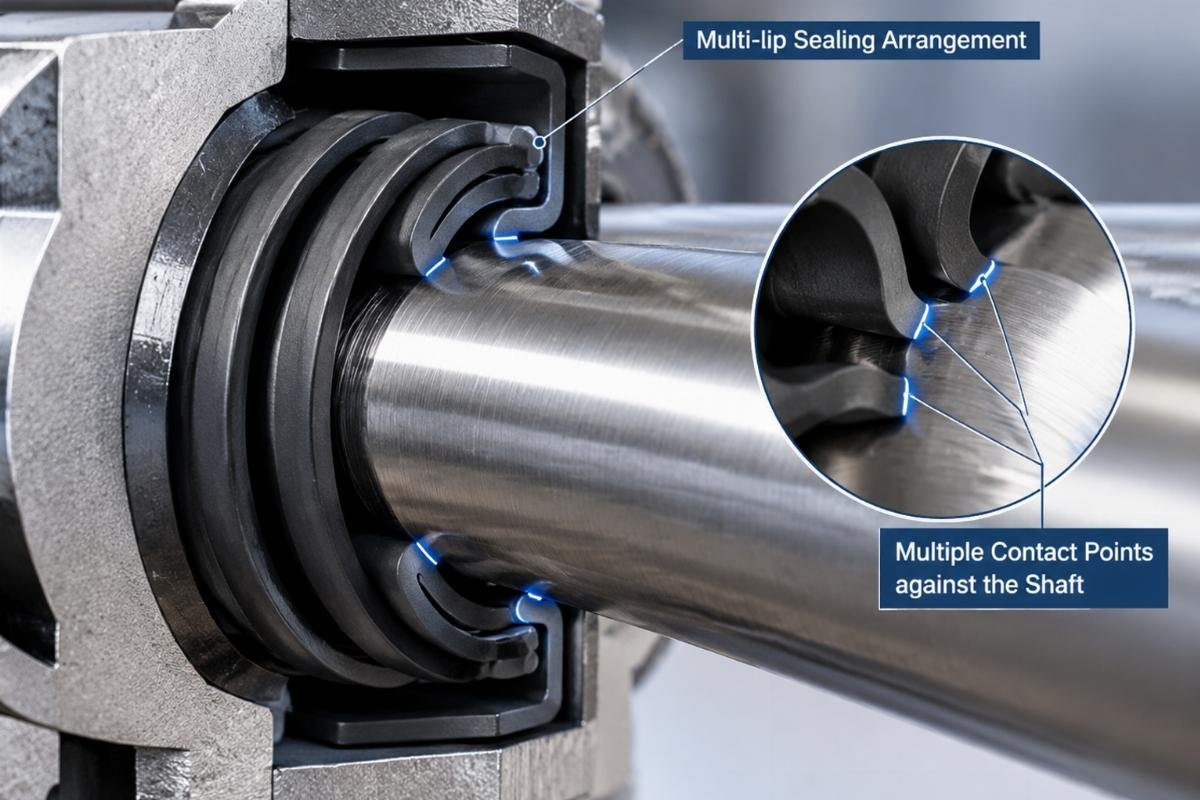
Multi-lip seals, conversely, use multiple layers of flexible rubber or polymer lips that press against the shaft or a protective sleeve. These lips create a physical barrier that actively excludes contaminants. The multiple contact points ensure that even if one lip is compromised or worn, others remain effective. This redundancy is crucial in environments where dust accumulation is continuous and heavy. Some advanced designs incorporate felt wipers or additional protective covers to further enhance protection.
In a case involving a large sawmill in North America, the maintenance team compared labyrinth-sealed units with multi-lip sealed units on their headrigs. The labyrinth seals allowed fine dust to penetrate, leading to frequent greasing requirements and eventual failure. The multi-lip seals, however, maintained integrity over extended periods, significantly reducing maintenance labor and bearing consumption. The initial cost difference was negligible compared to the savings in downtime and replacement parts. When specifying heavy-duty pillow blocks for sawmills, insisting on multi-lip sealing configurations is a non-negotiable requirement for ensuring long-term operational stability.
How to Verify Heavy-Duty Claims Before Buying?
Check material certs, seal specs, and request field test data.
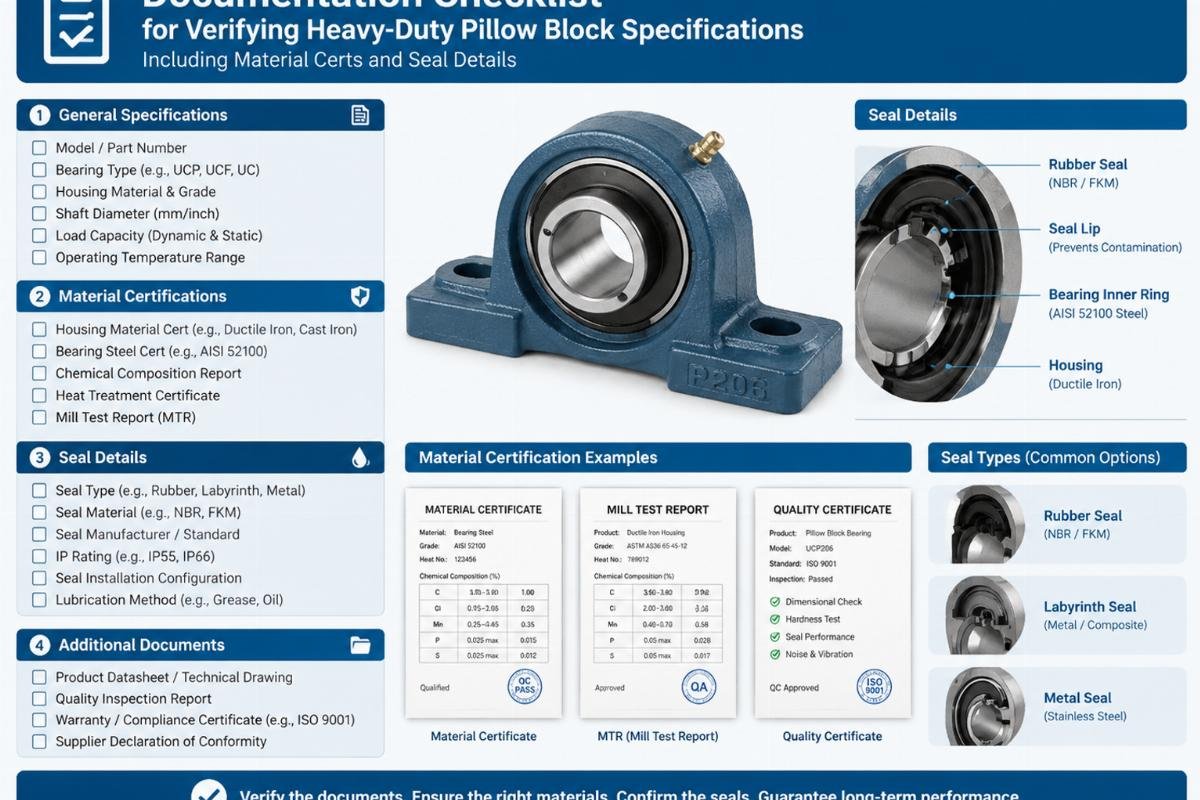
The term “heavy-duty” is often used loosely in marketing materials. To ensure you are purchasing genuine high-performance components, rigorous verification is necessary. Start by requesting material certifications for the housing. High-grade cast iron or ductile iron offers superior strength and vibration damping compared to standard gray cast iron. Look for compliance with international standards such as ISO or DIN, which specify material properties and dimensional tolerances. [NEED_CITE: forestry industry association maintenance guidelines for bearing selection]
Next, examine the sealing specifications in detail. Do not accept generic descriptions like “good sealing.” Ask for specific details on the seal material, the number of lips, and any additional protective features such as flingers or covers. Request test data or case studies that demonstrate performance in similar environments. Reputable suppliers should be able to provide documentation of field tests or customer references.
Additionally, verify the bearing insert itself. Ensure it is from a recognized brand with a proven track record in industrial applications. Check for proper lubrication fittings and ensure they are compatible with your existing maintenance procedures. A supplier who offers technical support and can provide cross-brand equivalent model consultation adds significant value, especially when dealing with mixed-batch orders for MRO purposes.
For global buyers, working with a supplier who offers full traceability documentation is crucial. This ensures that every component meets the specified standards and allows for accountability in case of failures. A professional global supplier based in China, with access to mainstream international brands and reliable domestic lines, can provide the necessary flexibility and quality assurance. By demanding transparency and technical rigor, you can confidently select heavy-duty pillow blocks for sawmills that deliver on their promises.
Conclusion
Prioritize sealing and housing design over raw load ratings.
Surviving the harsh conditions of a sawmill or planer requires more than just robust metal; it demands intelligent engineering that addresses the specific threats of wood dust and vibration. By choosing split housings for easier maintenance and alignment, and insisting on multi-lip seals for superior contamination exclusion, you protect your machinery from the most common causes of premature failure. Verifying these claims through material certifications and technical data ensures that your investment translates into reduced downtime and lower total cost of ownership. For those seeking reliable sources, partnering with a supplier who understands these nuances and offers genuine, traceable products across multiple brands is the final key to operational success. This approach ensures that your search for heavy-duty pillow blocks for sawmills results in solutions that truly withstand the test of time and timber.
Tags

About the author
author
Editor covering global sourcing, supplier verification, and industrial product knowledge. Content is compiled from manufacturer specifications, industry standards, and hands-on experience with international B2B buyers. Every article is fact-checked before publishing to help procurement professionals make informed decisions.
More articles by author