Sealed Spherical Roller Bearings Alternatives: Wholesale Supplier
Stop risking catastrophic failures by treating standard dust shields as valid alternatives to sealed spherical roller bearings. True replacements demand integrated labyrinth or contact seal structures that match specific load conditions. Verify material grades and traceability to ensure genuine cross-brand performance without premature downtime.
 Written by
author
- Published on
- 6 min read
- Updated
Sealed Spherical Roller Bearings Alternatives: Wholesale Supplier
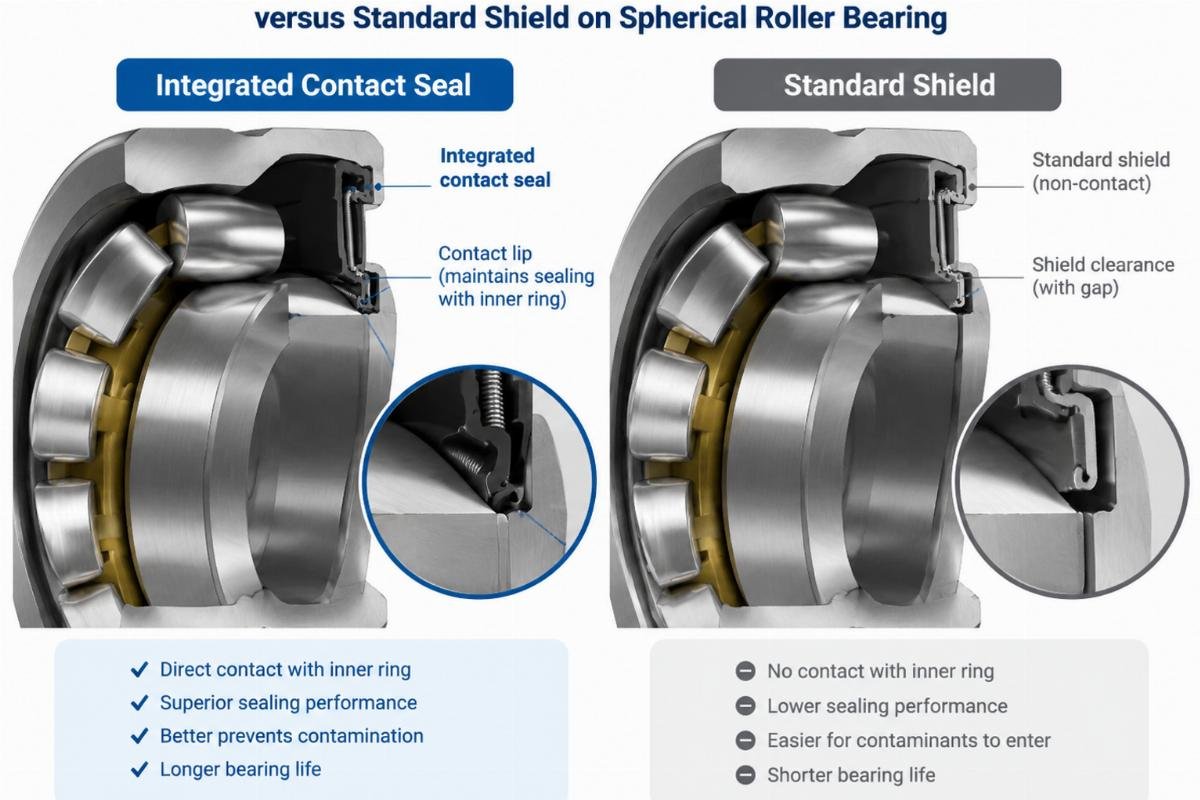
Adding standard dust shields to open bearings is not a valid substitute for integrated heavy-duty seals.
True alternatives to sealed spherical roller bearings require matching labyrinth or contact seal structures and material grades, not just adding standard dust shields to open types. Selecting the right replacement involves verifying the sealing mechanism’s ability to retain grease and exclude contaminants under specific load conditions, rather than relying solely on dimensional cross-references.
I still remember the humid air in Chicago during one of those early trade shows. A procurement manager from a mining equipment firm was venting about a recent disaster. His team had replaced premium brand sealed units with cheaper open-type bearings fitted with simple metal shields to cut costs. The result was catastrophic failure within months due to dust ingress. That conversation shifted my perspective entirely. It highlighted that finding reliable alternatives to sealed spherical roller bearings is not about finding the cheapest dimensionally identical part, but about understanding the engineering behind the seal itself. [NEED_CITE: common failure modes in contaminated environments per ISO 15243]
This experience underscores why MRO buyers and OEMs must look beyond basic part numbers. The core argument here is simple: genuine cross-brand replacements must offer verified sealing performance to avoid premature failures. Let’s dive into how to select these alternatives correctly.
Why Do Cheap Alternatives to Sealed Spherical Roller Bearings Fail?
Standard shields cannot replace integrated heavy-duty seals in harsh environments.
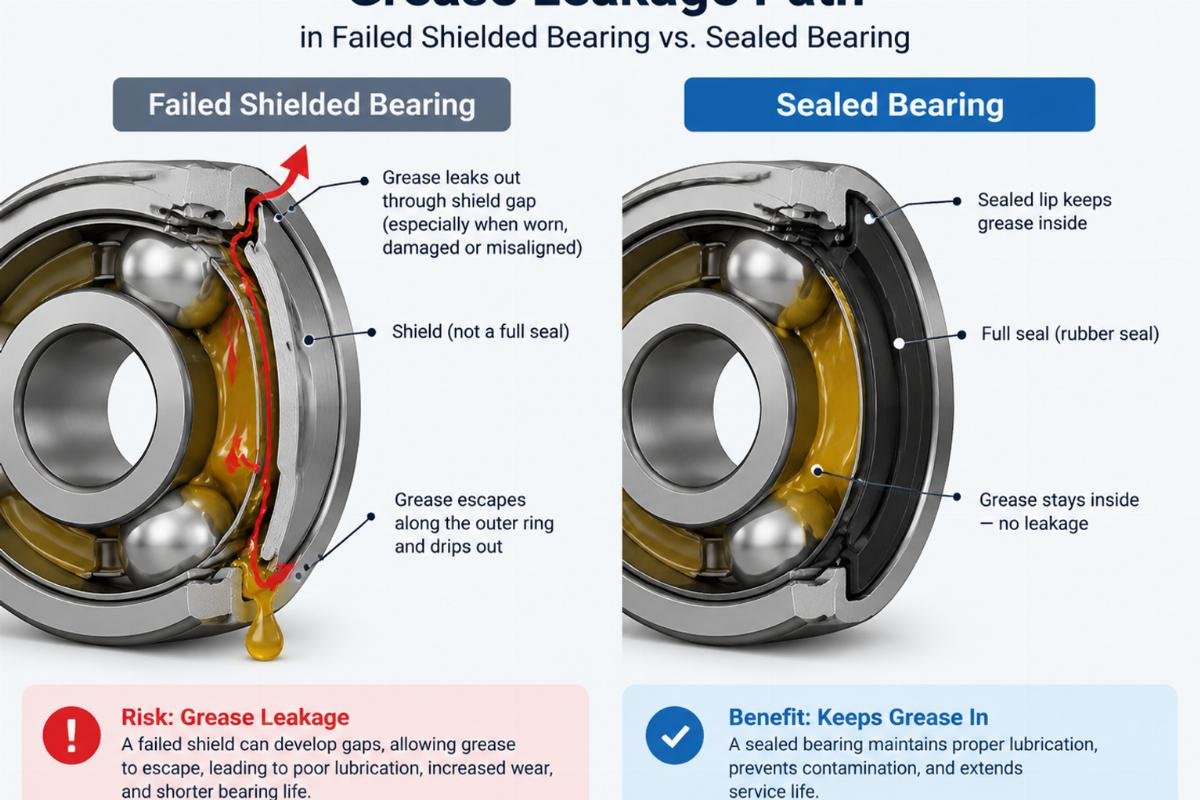
The most common misconception in the industry is that any bearing with a ZZ or 2RS suffix provides adequate protection for heavy-duty applications. In reality, true heavy-duty seals require integrated steel-reinforced contact designs or complex labyrinth structures. Cheap alternatives often fail not because of inferior steel quality, but due to poor seal-lip material that degrades quickly under friction and heat. [NEED_CITE: impact of seal material on bearing life in abrasive conditions]
Consider a case from a cement plant kiln application. The original equipment used a premium brand with an integrated contact seal. When downtime pressured the maintenance team, they switched to a low-cost alternative that merely featured a standard rubber cover. The seal lip hardened and cracked within weeks, leading to grease leakage and rapid contamination. The cost of the subsequent unplanned shutdown far exceeded the initial savings on the bearings.
| Feature | Premium Integrated Seal | Cheap Alternative (Shield/Cover) | Genuine Heavy-Duty Substitute |
|---|---|---|---|
| Seal Structure | Steel-reinforced contact | Simple rubber/metal shield | Integrated labyrinth or contact |
| Grease Retention | High | Low | High |
| Contaminant Exclusion | Robust | Vulnerable | Resistant |
| Material Certification | Full batch-level | Sample-level or None | Verifiable |
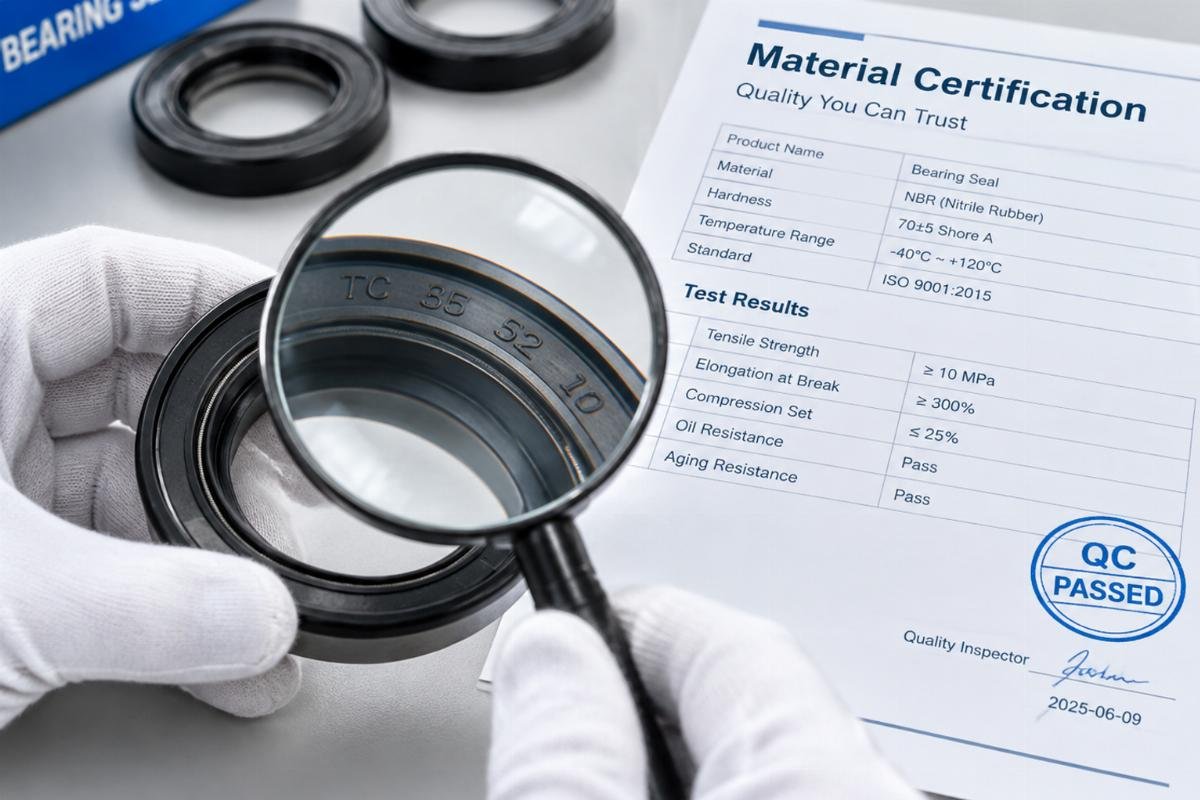
When sourcing alternatives to sealed spherical roller bearings, it is crucial to demand material certificates and traceability documents. A reliable supplier will provide evidence that the seal material matches the operational temperature and chemical exposure of your environment. Without this verification, you are gambling with equipment reliability.
How to Match Seal Structures with Specific Operating Conditions?
Labyrinth seals suit high-speed applications, while contact seals are ideal for heavy contamination.
Selecting the right seal structure depends entirely on the operating conditions. There is no one-size-fits-all solution. For high-speed applications where friction heat is a concern, labyrinth seals offer excellent protection without generating excessive torque. Conversely, in environments with heavy dust, mud, or water spray, contact seals provide a tighter barrier, albeit with slightly higher friction. [NEED_CITE: ABMA guidelines on seal selection for varying speeds and loads]
I recall working with a vibrating screen manufacturer who struggled with premature bearing failures. They were using standard contact seals, which wore out quickly due to the intense vibration and lateral loads. By upgrading to a heavy-duty sealed variant with hardened cages and a specialized seal design, they extended the service life meaningfully. The key was matching the seal’s wear lifecycle to the vibration load capacity.
| Operating Condition | Recommended Seal Type | Reason |
|---|---|---|
| High Speed | Labyrinth | Low friction torque |
| Heavy Contamination | Contact | Superior exclusion |
| High Vibration | Heavy-Duty Contact | Enhanced wear resistance |
| Wet Environment | Contact with Drainage | Prevents water accumulation |
Understanding these distinctions helps in choosing the right alternatives to sealed spherical roller bearings. It is not just about replacing a part; it is about optimizing the component for its specific duty cycle. Suppliers who offer technical consultation can help map these requirements to the correct product specifications, ensuring that the alternative performs as well as, or better than, the original.

What Are the Key Specifications for Cross-Referencing Alternatives?
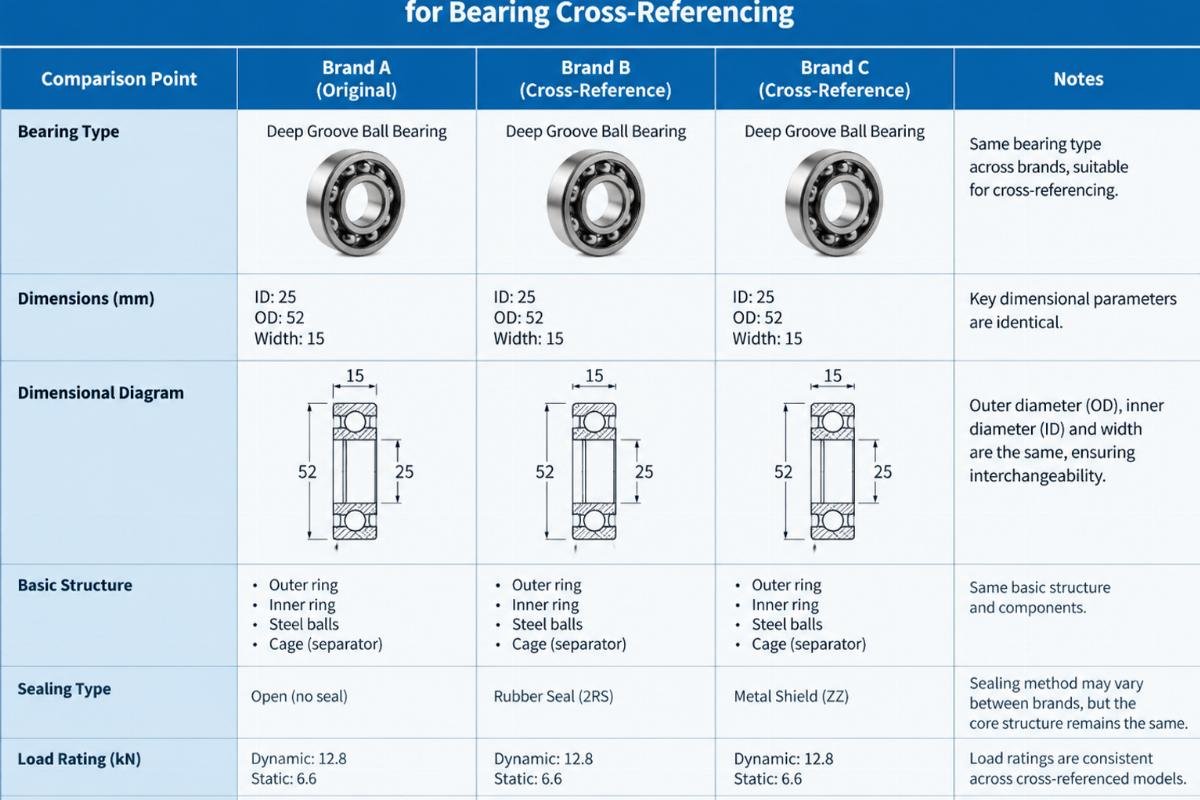
Matrix comparing outer diameters, seal types, and cage materials across premium and domestic brands.
Cross-referencing is more than matching the bore and outer diameter. It requires a detailed comparison of internal geometries, cage materials, and seal dimensions. Many buyers make the mistake of assuming that if the external dimensions match, the bearing is interchangeable. However, differences in cage design or seal width can lead to installation issues or premature failure. [NEED_CITE: ISO standards for sealing dimensions and interchangeability]
A comprehensive specification matrix should include:
- Outer Diameter and Width: Must match exactly for housing fit.
- Seal Type: Labyrinth, contact, or combination.
- Cage Material: Steel, brass, or polymer, depending on speed and temperature.
- Internal Clearance: C3, C4, etc., based on thermal expansion needs.
For instance, when replacing SKF sealed spherical roller bearings, one must ensure that the alternative brand’s seal profile matches the original’s interference fit. A mismatch can cause the seal to dislodge during operation. This is where professional cross-reference support becomes invaluable.
| Specification | Premium Brand (e.g., SKF/FAG) | Reliable Domestic Brand (e.g., ZWZ/HRB) | Notes |
|---|---|---|---|
| Dimensional Tolerance | P0/P6 | P0/P6 | Must match ISO classes |
| Seal Design | Proprietary Integrated | Integrated Contact/Labyrinth | Verify profile compatibility |
| Cage Type | Steel/Brass | Steel/Brass | Check for high-temp suitability |
| Traceability | Full Batch | Full Batch | Essential for QA |
By focusing on these key specifications, buyers can identify genuine alternatives to sealed spherical roller bearings that offer comparable performance. This approach minimizes the risk of incompatibility and ensures that the replacement bearing integrates seamlessly into the existing machinery.
How to Verify the Quality of Alternative Bearings?
Require material certs, seal friction tests, and traceability docs from suppliers.
Quality verification is the final safeguard against premature failure. It is not enough to trust a supplier’s word; you need documented proof. Request material certificates that confirm the steel grade and heat treatment process. Ask for seal friction test data to ensure the alternative does not generate excessive heat. [NEED_CITE: industry association failure analysis reports on seal friction]
In my experience, reputable suppliers are transparent about their quality control processes. They provide full traceability documentation, allowing you to track the bearing back to its production batch. This level of transparency is critical for MRO buyers who need to justify their purchasing decisions to management.
Additionally, consider requesting sample units for testing before placing large orders. This allows you to verify the fit, finish, and sealing performance in your specific application. A supplier who refuses to provide samples or documentation should be viewed with caution.
When evaluating alternatives to sealed spherical roller bearings, look for suppliers who offer:
- Genuine original bearings with complete traceability.
- ISO-compliant quality assurance.
- Technical support for model selection and failure analysis.
These factors distinguish a professional partner from a mere trader. They ensure that the alternatives you source are not just cheap, but reliable and fit for purpose.
Conclusion
Genuine alternatives require matching seal structures, not just dimensions.
Selecting the right alternatives to sealed spherical roller bearings demands a deep understanding of sealing technologies and operating conditions. By focusing on integrated seal designs, verifying material quality, and leveraging professional cross-reference support, buyers can achieve cost-effective replacements without compromising reliability. This approach transforms bearing procurement from a risky gamble into a strategic advantage for maintenance and operational efficiency.
Tags

About the author
author
Editor covering global sourcing, supplier verification, and industrial product knowledge. Content is compiled from manufacturer specifications, industry standards, and hands-on experience with international B2B buyers. Every article is fact-checked before publishing to help procurement professionals make informed decisions.
More articles by author

