Slewing Ring Brands for Cranes & Forestry Machines Wholesale Supplier
Selecting the right slewing ring brands for cranes and forestry machines requires prioritizing real-world durability over mere parameter matching. Balance premium OEM reliability with verified domestic alternatives to control costs without compromising performance in harsh, dusty environments.
 Written by
author
- Published on
- 7 min read
- Updated
Slewing Ring Brands for Cranes & Forestry Machines Wholesale Supplier
Higher static load ratings do not guarantee longer service life in dusty or wet environments.
Selecting the right slewing ring brands for cranes and forestry machines requires prioritizing real-world durability in harsh conditions over mere parameter matching. The most reliable approach balances premium OEM brands with verified, cost-effective alternatives that offer identical metallurgy for standard applications. This strategy minimizes downtime while controlling procurement costs for heavy-equipment operators and distributors.
I learned this lesson the hard way in Dongguan, where I spent years repairing excavators and forestry harvesters. The grease on my hands never quite washed off, even after I moved to Shenzhen to start trading bearings. One particular incident changed how I view sourcing. A client in South America needed slewing rings for a fleet of forestry harvesters. To keep costs down, we sourced a batch from a lesser-known alternative brand. The technical datasheet looked perfect, matching the original equipment manufacturer’s specifications point for point. Yet, within six months, the gear rings showed abnormal wear. The client sent back samples filled with metal shavings. It was not a load capacity issue. It was a failure in material hardness consistency and heat treatment depth. That experience shifted my focus from paper parameters to physical verification. [NEED_CITE: correlation between raceway hardness consistency and gear wear resistance]
What Defines a Top-Tier Slewing Ring Brand for Heavy Machinery?
Material integrity and sealing technology outweigh basic load ratings when evaluating brand quality.
Many buyers assume that a higher static load rating equals a longer lifespan. This is a dangerous misconception. In real-world applications, especially in forestry and construction, premature failure is rarely due to overload. It is usually caused by contamination ingress or surface fatigue from inconsistent heat treatment. A top-tier brand distinguishes itself not just by its name, but by its control over these invisible factors.
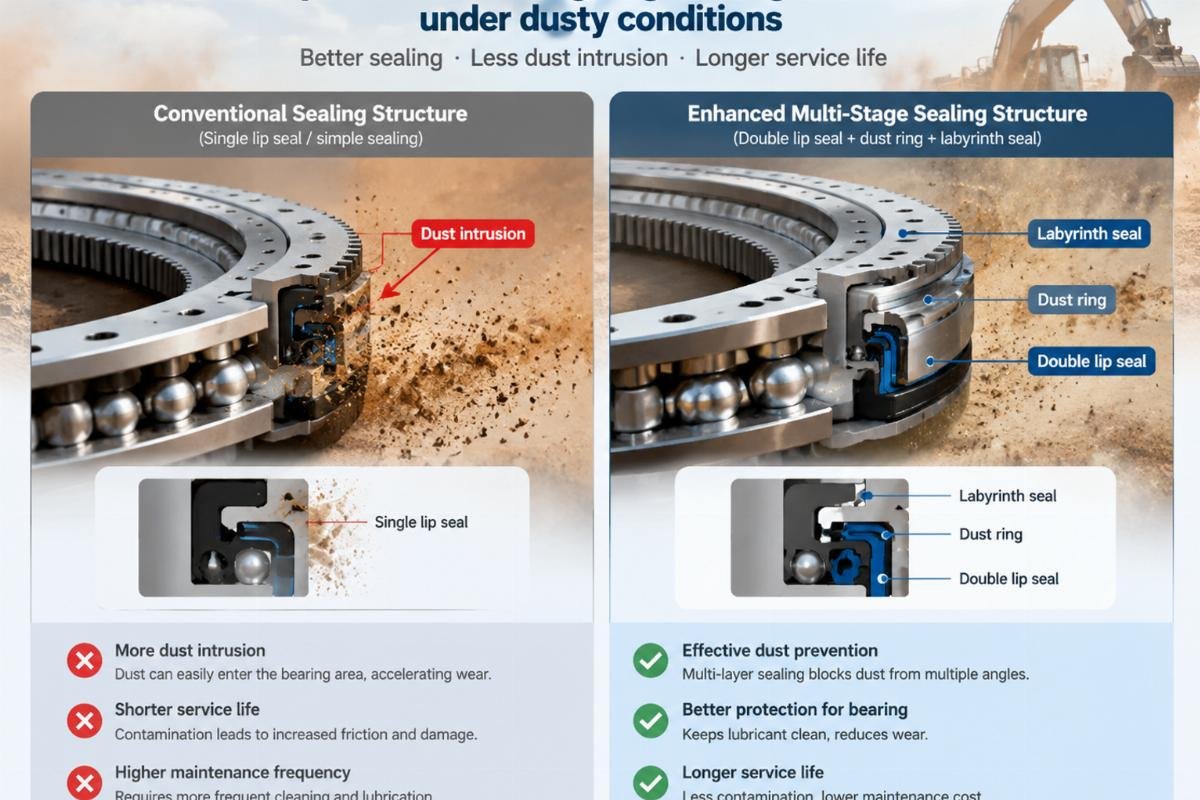
The core differentiator is the raceway hardness. For slewing rings used in heavy machinery, the ideal hardness range is HRC 55-62. [NEED_CITE: standard hardness range for induction hardened slewing bearing raceways] Premium brands maintain this range with tight consistency across the entire circumference. Cheaper alternatives often show soft spots or excessive hardness variations, leading to early pitting. Another critical factor is the seal design. In dusty environments like Middle Eastern construction sites or muddy forestry trails, the seal is the first line of defense. Standard nitrile rubber (NBR) seals may suffice for clean indoor applications, but polyurethane lips offer superior resistance to abrasion and dust ingress. [NEED_CITE: comparison of NBR vs polyurethane seal performance in abrasive environments]

When evaluating slewing ring brands for cranes and forestry machines, look beyond the catalog. Ask for traceability documents that confirm the heat treatment process. Verify the seal material specification. A brand that provides detailed material certificates and allows third-party hardness testing demonstrates confidence in its product integrity. This level of transparency is what separates a reliable partner from a mere supplier.
Premium vs. Alternative Brands: How Do They Compare in Harsh Conditions?
Reliable domestic brands can offer identical metallurgy for standard applications at a significantly lower cost.
The market is flooded with options, ranging from global giants like SKF, FAG, and TIMKEN to reputable Chinese manufacturers such as ZWZ and HRB. The price difference can be substantial, but does the performance gap justify the cost? For many standard applications, the answer is no. However, the key lies in selecting the right tier for the specific operating environment.
| Feature | Premium Global Brands (SKF, FAG, TIMKEN) | Reliable Domestic Alternatives (ZWZ, HRB) | Low-Cost Unverified Brands |
|---|---|---|---|
| Metallurgy Quality | Certified high-purity steel | Standard high-quality bearing steel | Variable, often unverified |
| Sealing Technology | Advanced multi-lip designs | Standard robust seals | Basic single-lip seals |
| Hardness Consistency | Tight control (HRC 55-62) | Good control within standard range | Inconsistent, risk of soft spots |
| Traceability | Full batch-level documentation | Verifiable batch documentation | Self-reported or none |
| Cost Efficiency | Lower | Noticeably reduced | Lowest initial cost |
Consider a crawler crane operating in the Middle East. Dust is everywhere. A premium brand might offer a specialized sealing system that resists fine particulate ingress better than a standard seal. In this case, the extra cost pays for itself by preventing grease leakage and internal contamination. However, for a forestry machine in a less extreme environment, a reliable domestic brand with proper heat treatment and standard polyurethane seals will perform just as well. [NEED_CITE: industry case studies on slewing bearing failure modes in dusty environments]
I have seen distributors overspend on premium brands for applications where a solid alternative would suffice. Conversely, I have seen operators suffer costly downtime by choosing the cheapest option without verifying the heat treatment. The sweet spot is identifying which domestic lines meet the ISO 9001 quality standards and ABMA dimensional tolerances. These brands offer a balance of reliability and value. [NEED_CITE: ISO 9001 requirements for bearing manufacturing quality management]
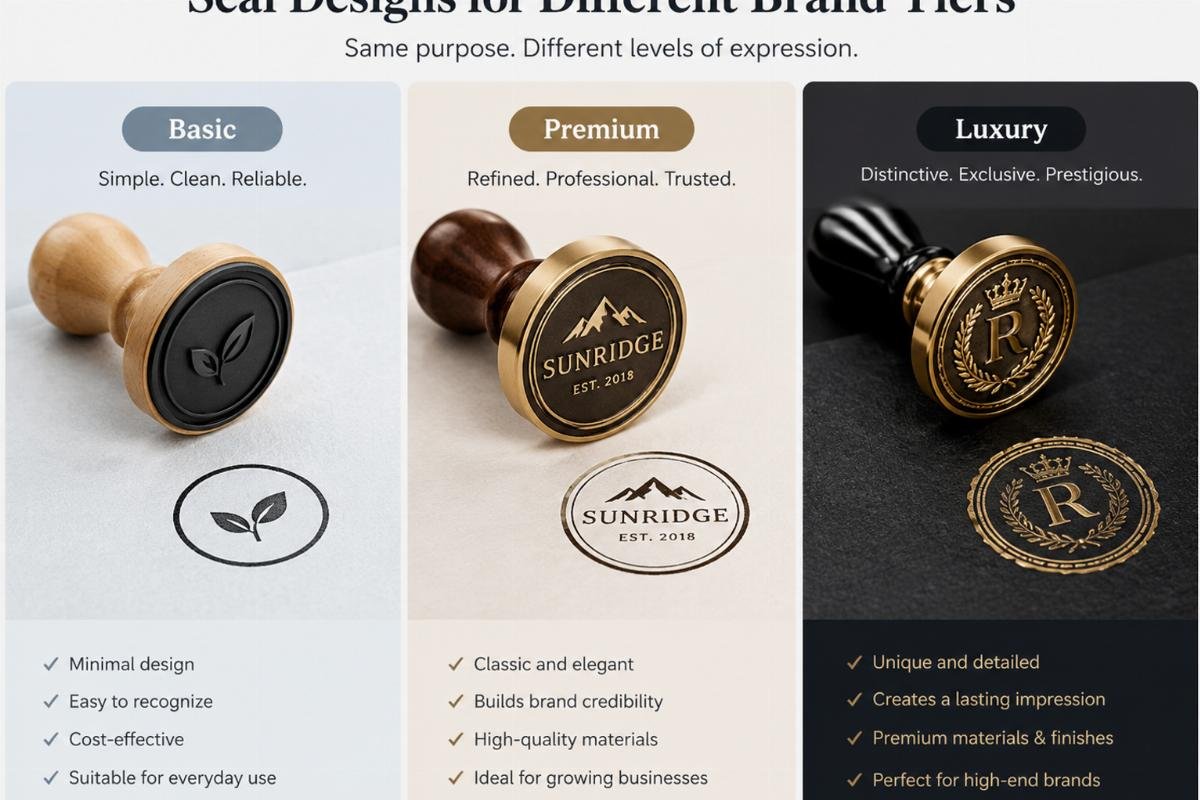
When sourcing slewing ring brands for cranes and forestry machines, do not treat all alternatives as equal. Focus on those with proven track records in heavy equipment. Brands like ZWZ and HRB have established themselves as credible alternatives for many standard applications. They provide the necessary documentation and consistency that low-cost unknowns lack.
How to Verify Brand Quality Before Bulk Procurement?
Traceability documents, independent hardness tests, and visual seal inspections are non-negotiable steps.
Buying based on a datasheet is risky. Physical verification is essential, especially for large orders. Before committing to a bulk purchase, implement a three-step verification process. First, request full traceability documentation. This should include material certificates for the steel used and heat treatment records. A reputable supplier will provide these without hesitation. If they hesitate, walk away.
Second, conduct independent hardness testing. Use a portable hardness tester to check multiple points along the raceway. The readings should fall within the HRC 55-62 range and show minimal variation. Significant deviations indicate poor quality control. [NEED_CITE: methods for verifying induction hardening depth and uniformity] Third, inspect the seals visually. Look for precise molding and consistent lip thickness. Poorly molded seals are prone to tearing and leakage.
A buyer in Southeast Asia once shared his strategy for managing MRO replacements for excavators. He mixed brands based on criticality. For main boom slewing rings, he stuck to premium or top-tier domestic brands. For less critical auxiliary movements, he used verified alternatives. This approach reduced his overall inventory cost while maintaining high reliability where it mattered most. He also kept a small stock of cross-brand equivalent models to minimize downtime during emergencies. [NEED_CITE: strategies for mixed-brand spare parts inventory management]

This verification process does not require a laboratory. Simple tools and a keen eye can reveal much about the quality of slewing ring brands for cranes and forestry machines. It builds confidence in your supply chain and protects your reputation with end-users. Remember, the cost of verification is negligible compared to the cost of a field failure.
Which Brand Alternative Fits Your Specific Crane or Forestry Application?
Matching the operating environment to the brand tier ensures optimal performance and cost efficiency.
Not every application demands the highest tier of bearing. Understanding your specific工况 (operating conditions) helps you choose the right brand. For forestry harvesters, which face moderate loads but high vibration and potential debris, focus on brands with robust sealing and good shock load resistance. Reliable domestic brands often excel here, offering good value without compromising on essential durability.
For large cranes, especially those operating in coastal or desert environments, corrosion and dust are major threats. Here, premium brands with advanced sealing technologies and superior surface treatments may be worth the investment. The cost of downtime for a large crane is enormous, so the reliability premium is justified. However, for smaller cranes or those in controlled environments, verified alternatives provide a cost-effective solution.
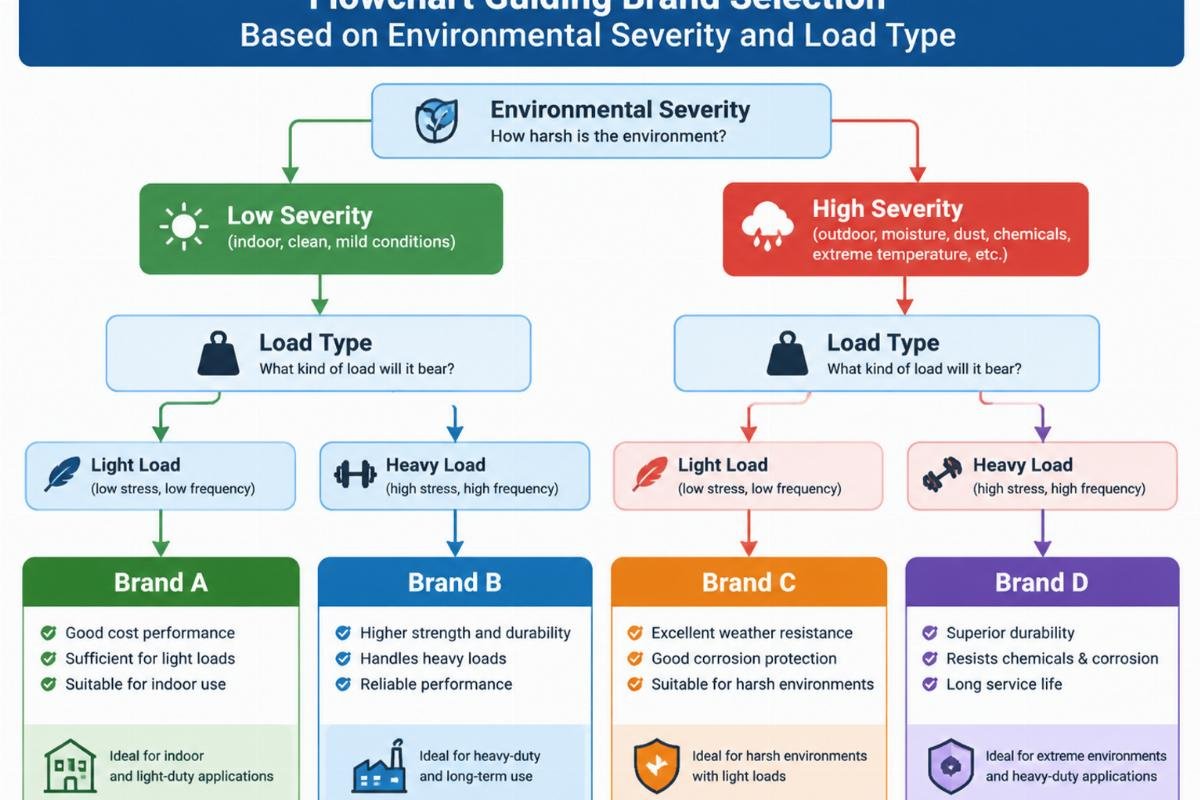
When evaluating slewing ring brands for cranes and forestry machines, consider the total cost of ownership, not just the purchase price. A slightly more expensive bearing that lasts twice as long is a better investment than a cheap one that fails prematurely. Work with suppliers who offer technical selection support. They can help you match the right brand to your specific application, ensuring you do not over-spec or under-spec.
Our role as a global supplier is to facilitate this matching process. We stock genuine products from SKF, FAG, TIMKEN, and reliable domestic lines like ZWZ and HRB. This allows us to offer mixed-brand consolidation for bulk orders. Whether you need a single emergency replacement or a full container of standard parts, we provide the traceability and technical support needed to make informed decisions. [NEED_CITE: benefits of mixed-brand sourcing for MRO operations]
Conclusion
Durability in harsh conditions matters more than catalog parameters.
Choosing the right slewing ring involves balancing premium reliability with cost-effective alternatives. Verify quality through hardness tests and seal inspections. Match the brand tier to your specific environmental challenges. This approach ensures long-term performance and minimizes unexpected downtime for your heavy machinery.
Tags

About the author
author
Editor covering global sourcing, supplier verification, and industrial product knowledge. Content is compiled from manufacturer specifications, industry standards, and hands-on experience with international B2B buyers. Every article is fact-checked before publishing to help procurement professionals make informed decisions.
More articles by author

