Thordon & Vesconite Marine Bearings Wholesale Supplier
Match Marine Bearing Brands to specific seawater conditions and ensure precise customs documentation to avoid port delays. Compare Thordon and Vesconite material specs, explore verified non-metallic alternatives, and learn how accurate HS codes prevent detention for global distributors and MRO operators.
 Written by
author
- Published on
- 8 min read
- Updated

Thordon & Vesconite Marine Bearings Wholesale Supplier
Most buyers assume “plastic bearings” clear customs easily; reality is vague polymer descriptions trigger strict inspections and port delays.
Selecting the right marine bearing brand requires matching material specifications to specific seawater conditions and ensuring precise customs documentation. For global distributors and MRO operators, the choice between Thordon, Vesconite, and other non-metallic alternatives hinges on water absorption rates, PV limits, and the ability to provide verifiable HS codes that prevent detention at ports like Lagos or Singapore. As a Marine Bearing Brands supplier, we prioritize technical alignment with local salinity levels and regulatory compliance over generic brand prestige.
The shift from traditional metal to polymer bearings is not just about corrosion resistance; it is about operational continuity. I recall a shipment destined for a dredger in West Africa where the commercial invoice listed only “plastic bearing.” The cargo sat in customs for weeks because the authorities could not verify the polymer composition against environmental regulations. That delay cost the vessel owner far more than the bearing itself. This experience underscores why detailed material declarations are as critical as the physical product when sourcing from a Marine Bearing Brands distributor.
How Do Thordon and Vesconite Differ in Marine Applications?
Thordon excels in water-lubricated stern tubes, while Vesconite offers higher load capacity for heavy-duty dredging applications.
Understanding the distinct engineering philosophies behind these two leading brands is essential for proper selection. Thordon bearings are widely recognized for their performance in water-lubricated systems, relying on the swelling characteristics of their proprietary elastomers to maintain clearance. In contrast, Vesconite utilizes high-performance thermoplastics designed for minimal water absorption and higher mechanical strength under dry or mixed-lubrication conditions.
| Feature | Thordon Typical Profile | Vesconite Typical Profile |
|---|---|---|
| Primary Lubrication | Water-lubricated | Water or Grease compatible |
| Water Absorption | Moderate (swells to fit) | Low (dimensional stability) |
| Load Capacity | Standard marine loads | High impact/shock loads |
| Ideal Application | Stern tubes, rudder bearings | Dredger shafts, high-silt areas |
| Installation Fit | Press-fit with swelling allowance | Precision machined clearance |
[NEED_CITE: comparative material data sheets for marine polymer bearings]
A European wind farm operator once faced premature wear on their service vessel’s propeller shafts. They had installed standard water-lubricated bearings in an area with high silt content. The abrasive particles penetrated the softer elastomer, causing rapid degradation. Switching to a harder, low-absorption polymer alternative reduced the wear rate noticeably. This case highlights that brand reputation alone does not guarantee performance if the material properties do not match the environmental工况.
When evaluating options from a Marine Bearing Brands catalog, buyers must look beyond the brand name. The key is to match the bearing’s pressure-velocity (PV) limit to the shaft’s operational speed and load. Thordon’s solutions are often preferred for large commercial vessels where water lubrication is mandated by classification societies. Vesconite, however, finds favor in specialized equipment like dredgers and tugboats where shock loads are frequent and lubrication may be inconsistent.

For distributors stocking inventory, carrying both types allows for broader market coverage. However, it requires careful technical consultation to ensure clients do not interchange them incorrectly. A bearing designed for water lubrication will fail quickly if used in a grease-lubricated housing without modification, and vice versa. Our role as a Marine Bearing Brands supplier involves verifying these application details before shipment to prevent such costly errors.
What Are the Best Non-Metallic Alternatives for Heavy-Duty Marine Use?
Domestic polymer composites can offer comparable wear resistance at lower procurement costs if sourced with verified quality controls.
While Thordon and Vesconite dominate the premium segment, several high-quality alternatives exist that meet international maritime standards. These alternatives often utilize similar base polymers but may differ in additive packages or manufacturing processes. For buyers in price-sensitive markets, these options provide a viable path to reducing maintenance budgets without sacrificing reliability.
The critical factor in selecting an alternative is the verification of raw material sources. Not all polymer bearings are created equal. Some lower-cost options use recycled materials or lack consistent filler distribution, leading to unpredictable performance. When sourcing from a Marine Bearing Brands provider, request material test reports that confirm Shore hardness and tensile strength values align with industry benchmarks.
[NEED_CITE: ISO standards for non-metallic marine bearing materials]
A mining company in Southeast Asia replaced their imported stern tube bearings with a certified domestic composite. The initial cost savings were significant, but the real benefit came from the extended service life in their high-abrasion river environment. The alternative bearing featured a specialized filler that enhanced resistance to sand ingestion, a common issue in inland waterways. This success was due to rigorous pre-shipment testing and clear communication of the operating conditions.
Distributors should be cautious of unbranded “generic” polymers. Instead, focus on alternatives that come with traceability documentation. This includes batch numbers linked to production records and certificates of conformity. Such documentation is not just a formality; it is a safeguard against quality disputes. As a trusted Marine Bearing Brands partner, we ensure that every alternative product in our portfolio meets these stringent traceability requirements.
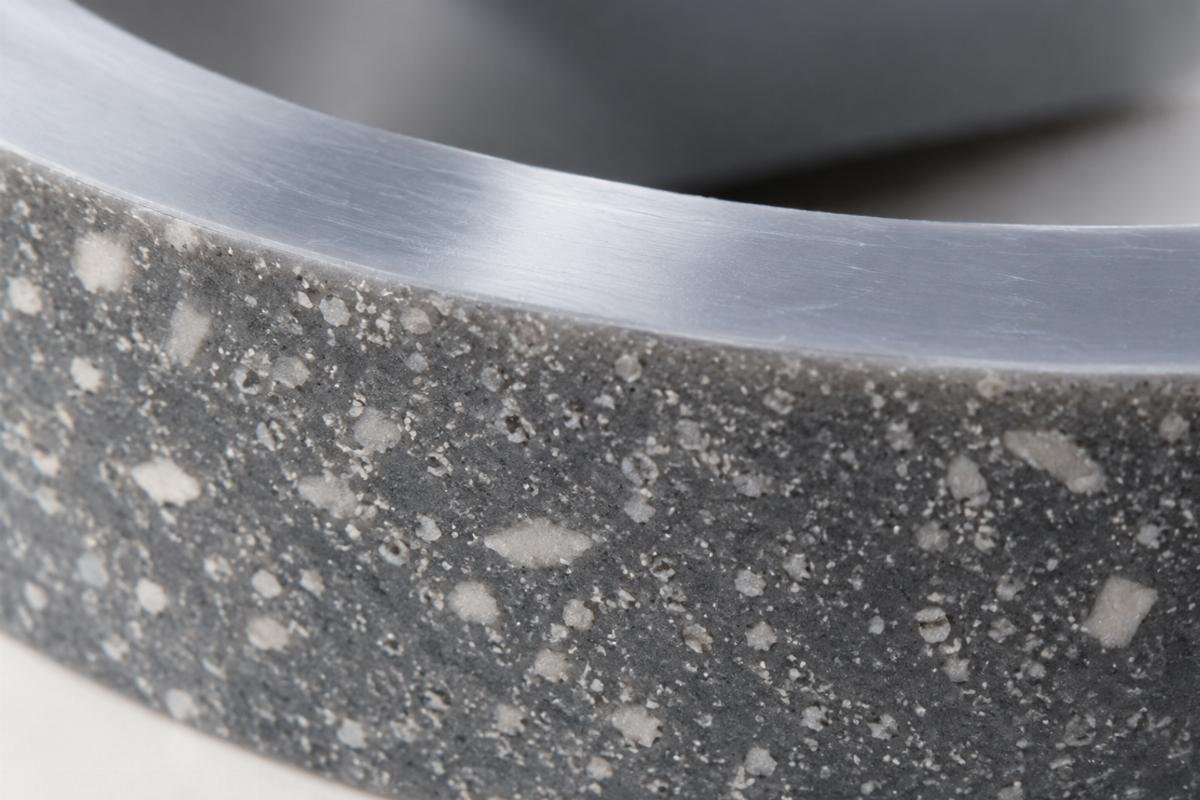
Another advantage of qualified alternatives is flexibility in customization. Premium brands often have long lead times for non-standard sizes. Alternative manufacturers may offer faster turnaround for bespoke dimensions, which is crucial for emergency repairs. However, this speed must not compromise quality. Verification of dimensional tolerances and surface finish is essential before installation.
How to Avoid Customs Delays When Importing Polymer Bearings?
Mandatory inclusion of exact polymer compositions and specific HS codes in commercial invoices prevents detention at strict ports.
Customs authorities worldwide are increasingly scrutinizing polymer imports due to environmental regulations and trade compliance rules. A vague description like “plastic bearing” is a red flag that triggers manual inspection. To avoid this, commercial invoices must specify the exact chemical composition, such as “polyamide-imide composite” or “ultra-high-molecular-weight polyethylene,” along with the correct Harmonized System (HS) code.
[NEED_CITE: World Customs Organization guidelines on polymer classification]
I remember a client in Nigeria whose shipment was held for weeks because the invoice lacked detail. The customs officers suspected the goods might be restricted plastic waste. It took multiple rounds of clarification and laboratory testing to release the cargo. Since then, we have standardized our documentation to include detailed material safety data sheets (MSDS) and precise product descriptions. This proactive approach ensures smooth clearance for our clients acting as a Marine Bearing Brands distributor.
Risk Checklist for Customs Clearance:
- Exact Material Name: Avoid generic terms like “plastic.” Use specific polymer names.
- HS Code Accuracy: Verify the code with local customs brokers. Polymer bearings often fall under specific subheadings distinct from metal bearings.
- Value Declaration: Ensure the declared value matches the transaction price to avoid suspicion of undervaluation.
- Origin Certification: Provide certificates of origin if required by trade agreements to benefit from tariff reductions.

Another common pitfall is the lack of proper packaging marks. Labels on the boxes should match the invoice description exactly. Discrepancies between physical labels and paperwork can lead to delays even if the documents are otherwise correct. As a reliable Marine Bearing Brands supplier, we double-check all labeling and documentation before dispatch to ensure consistency.
For buyers in regions with strict environmental laws, such as the EU or North America, additional declarations regarding REACH or RoHS compliance may be necessary. Including these certificates in the shipping dossier preemptively addresses potential queries from customs officials. This level of diligence transforms a potential bottleneck into a seamless transaction.
Which Bearing Brand Fits Your Specific Vessel工况?
Match PV limits and water absorption rates to shaft diameters and operational environments to prevent premature failure.
Selecting the right bearing is not a one-size-fits-all decision. It requires a detailed analysis of the vessel’s operating profile. Factors such as shaft diameter, rotational speed, load magnitude, and water salinity play pivotal roles in determining the optimal material. A bearing that performs well in a freshwater lake may fail rapidly in a high-salinity ocean environment due to different swelling and wear characteristics.
[NEED_CITE: marine engineering guidelines for bearing selection based on PV limits]
Consider a dredger operating in a river delta with high silt content. The bearing must withstand abrasive wear and occasional dry running during maneuvering. In this scenario, a high-hardness, low-absorption polymer like Vesconite or a comparable alternative is preferable. Conversely, a large tanker operating in open seas with consistent water lubrication might benefit more from the elastic properties of a Thordon-type bearing, which can accommodate slight misalignments.
| Operational Factor | Impact on Bearing Selection | Recommended Attribute |
|---|---|---|
| High Silt/Sand | Abrasive wear | High hardness, filled polymer |
| High Salinity | Corrosion/swelling | Low water absorption, stable dimensions |
| Shock Loads | Impact resistance | High toughness, flexible modulus |
| Intermittent Use | Dry running capability | Self-lubricating, low friction coefficient |
Buyers often overlook the importance of installation tolerances. Polymer bearings expand and contract differently than metal housings. Incorrect fit can lead to overheating or extrusion. Technical support from your Marine Bearing Brands provider is crucial here. We provide detailed installation guides and tolerance charts to ensure proper fitment. This support minimizes the risk of installation errors that could void warranties or cause early failure.

Furthermore, consider the maintenance schedule. Some polymers require periodic inspection for wear, while others are designed for longer intervals. Aligning the bearing type with the vessel’s maintenance capabilities ensures operational efficiency. For fleets with limited dry-dock time, choosing a durable, low-maintenance option is strategic. As a comprehensive Marine Bearing Brands supplier, we help clients analyze these factors to make informed decisions that balance performance and lifecycle costs.
Conclusion
Precise material matching and accurate customs documentation are the twin pillars of successful marine bearing procurement.
Choosing between Thordon, Vesconite, or their alternatives depends on specific environmental conditions and operational demands rather than brand loyalty alone. Ensuring that commercial invoices reflect exact polymer compositions and correct HS codes prevents costly port delays. By focusing on technical specifications and regulatory compliance, buyers can secure reliable performance and smooth logistics for their marine operations.
Tags

About the author
author
Editor covering global sourcing, supplier verification, and industrial product knowledge. Content is compiled from manufacturer specifications, industry standards, and hands-on experience with international B2B buyers. Every article is fact-checked before publishing to help procurement professionals make informed decisions.
More articles by author

