Vibration Monitoring Paper Mill Bearing Fault Cases Supplier
Diagnose vibration monitoring paper mills bearing fault by distinguishing installation errors from true defects. High-frequency signals often stem from incorrect clearance or seal water ingress causing grease emulsion, not manufacturing flaws. Implement precise spectrum analysis and strict mounting protocols to prevent premature replacements and reduce unplanned downtime.
 Written by
author
- Published on
- 6 min read
- Updated
Vibration Monitoring Paper Mill Bearing Fault Cases Supplier
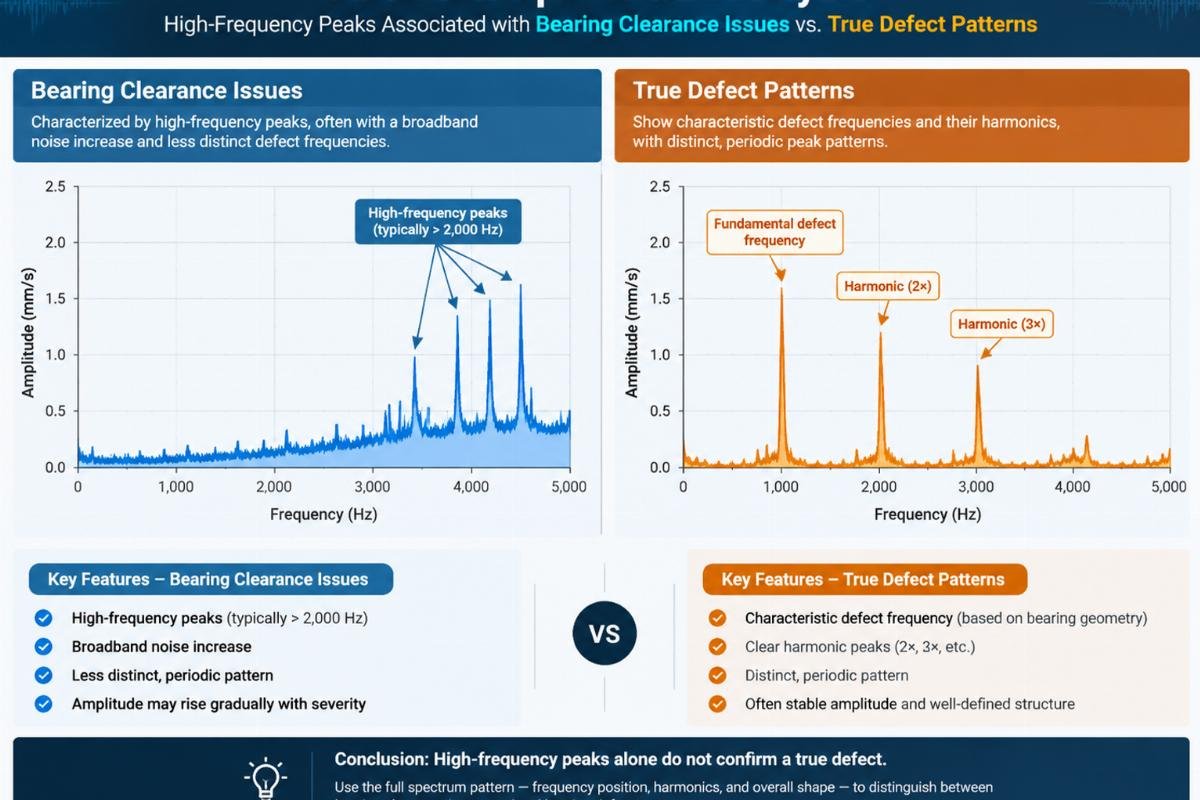
High-frequency vibration in press roll bearings is rarely a sign of immediate bearing defect.
In paper mills, premature bearing failure is predominantly caused by incorrect installation clearance and seal degradation leading to lubrication emulsion, not inherent manufacturing flaws. Effective vibration monitoring must distinguish between mechanical looseness and true rolling element damage to prevent unnecessary replacements and unplanned downtime.
I still remember the tension in the control room of a Nordic paper mill during the Hanover Fair season. A procurement manager handed me a vibration spectrum printout, his face tight with frustration. The spherical roller bearings on their press roll were showing alarming high-frequency signals, and the maintenance team was ready to swap them out. They had done this twice in the last year, each time facing a six-month failure cycle that threatened to snap the paper web and halt production. Instead of approving another urgent order, I asked to see the installation records and the condition of the old seals. What we found was not a defective batch of bearings, but a systematic error in clearance adjustment and water ingress that had turned the grease into an emulsion. This experience shifted my focus from simply supplying parts to analyzing the root causes of failure. [NEED_CITE: common misdiagnosis rates in industrial bearing applications]
Understanding these nuances is critical for any facility relying on continuous operation. Let us dive into why standard replacement protocols often fail and how precise diagnosis can extend asset life.
Why Do Press Roll Bearings Fail Prematurely?
The most common cause of premature press roll bearing failure is incorrect internal clearance adjustment during installation, not material fatigue.
When a spherical roller bearing is mounted on a press roll, the fit between the inner ring and the shaft determines the internal clearance. If this clearance is reduced too much during mounting, the bearing operates under pre-load, generating excessive heat and high-frequency vibration even under normal loads. Many maintenance teams interpret this vibration as early-stage spalling or cracking, leading to premature replacement. However, the real issue is mechanical stress from improper fitting. [NEED_CITE: ISO standards for bearing installation and clearance classes]
In the case of the Nordic mill, the maintenance crew used a hydraulic nut without verifying the reduction in clearance against the manufacturer’s technical manuals. The result was a bearing that ran hot and vibrated intensely within months. By switching to a methodical approach that included measuring the clearance reduction step-by-step during mounting, they eliminated the false alarms. This highlights a counter-intuitive truth: high-frequency vibration often points to installation errors rather than inherent bearing defects.
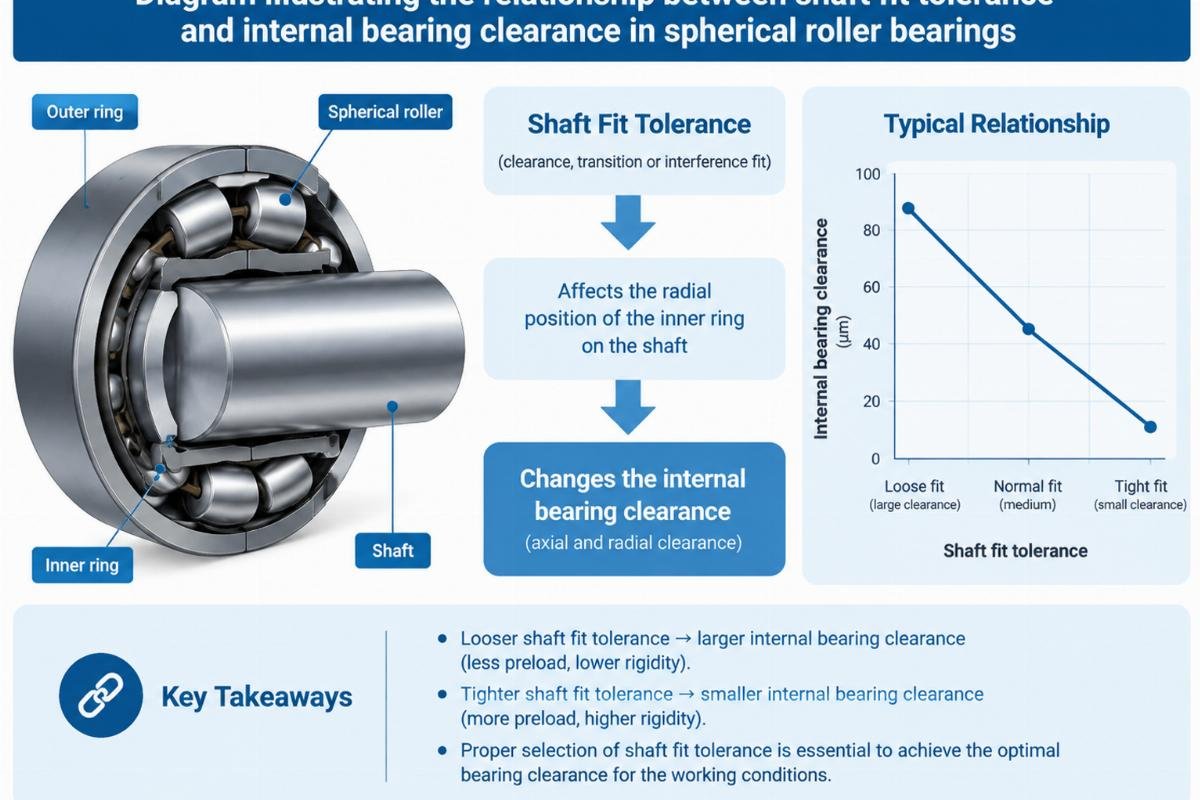
For MRO managers, this means that vibration data alone is insufficient. It must be correlated with installation logs. If the vibration signature appears shortly after a rebuild, suspect the mounting process before suspecting the component.
How to Analyze Vibration Spectrums for Root Causes?
Spectrum analysis helps distinguish between mechanical looseness, clearance issues, and lubrication failure by identifying specific frequency patterns.
Vibration monitoring in paper mills requires more than just looking at overall amplitude values. Fast Fourier Transform (FFT) analysis allows engineers to see which frequencies are dominating the signal. For instance, vibrations at non-synchronous frequencies often indicate lubrication issues or surface roughness, while harmonics of the running speed may point to misalignment or looseness. [NEED_CITE: principles of FFT analysis in rotating machinery diagnostics]
Consider a dryer cylinder bearing that began showing irregular noise. The overall vibration level was moderate, but the spectrum revealed broad-band high-frequency energy. This pattern is typical of lubrication distress rather than a discrete fault like a cracked raceway. In contrast, a wire pit bearing with improper mounting showed distinct spikes at multiples of the rotational speed, indicating alignment tolerance issues. By learning to read these spectral fingerprints, maintenance teams can target the right corrective action.

This analytical approach prevents the “shotgun” method of maintenance, where parts are replaced hoping to fix the problem. Instead, it enables precision interventions that address the actual physical condition of the asset.
What Are the Hidden Risks of Seal Water Ingress?
Water ingress causes grease emulsion, leading to rapid wear and corrosion even when using premium quality bearings.
Paper mills are wet environments, and the wire pit section is particularly vulnerable. Seals degrade over time due to heat, chemical exposure, and mechanical wear. Once the seal integrity is compromised, water enters the bearing housing and mixes with the lubricant. This creates an emulsion that loses its load-carrying capacity and protective film strength. The result is accelerated wear and corrosion pitting, which generates vibration signals that mimic mechanical defects. [NEED_CITE: TAPPI guidelines for paper mill maintenance and lubrication management]
Most operators think grease replacement solves lubrication issues. The real cause is often seal water ingress causing emulsion. In one case, a mill replaced bearings every few months due to high vibration and temperature spikes. Upon inspection, the grease was found to be milky and watery. The solution was not a different brand of bearing, but an upgrade to more robust sealing arrangements and a stricter schedule for grease condition checks.
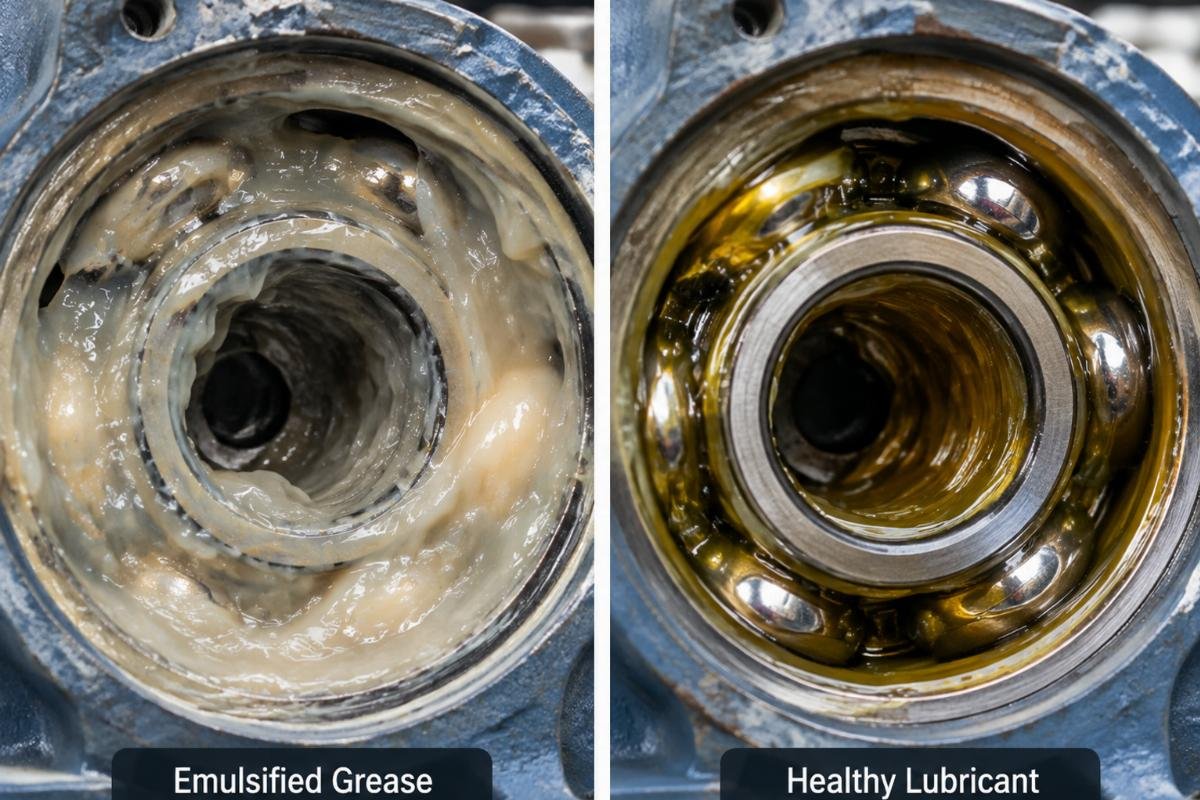
Monitoring the condition of the lubricant through regular sampling is as important as monitoring vibration. If the grease shows signs of water contamination, addressing the seal issue is paramount. Ignoring this hidden risk leads to repeated failures regardless of the bearing quality installed.
How to Implement Correct Installation and Maintenance Steps?
Strict clearance adjustment and seal inspection protocols are critical for extending bearing life and ensuring reliable operation.
To avoid the pitfalls of premature failure, mills must adopt a disciplined approach to installation and maintenance. This begins with verifying the shaft and housing dimensions against ISO tolerances before mounting. During installation, the reduction in internal clearance must be measured and controlled to stay within the recommended range for the specific application. [NEED_CITE: bearing manufacturer technical manuals for mounting procedures]
Here is a streamlined process for maintaining press roll and dryer cylinder bearings:
- Pre-Installation Check: Verify shaft diameter and roundness. Ensure the housing bore is clean and free of damage.
- Clearance Measurement: Measure the initial internal clearance of the bearing. During mounting, monitor the reduction in clearance to ensure it does not exceed the specified limit.
- Seal Inspection: Examine seals for signs of wear, hardening, or cracking. Replace seals if there is any doubt about their integrity, especially in wet sections like the wire pit.
- Lubrication Management: Use the correct grade of grease for the operating temperature and speed. Establish a routine for grease sampling to check for water ingress and emulsion.
- Vibration Baseline: After installation, record a baseline vibration spectrum. Compare future readings against this baseline to detect early changes in condition.
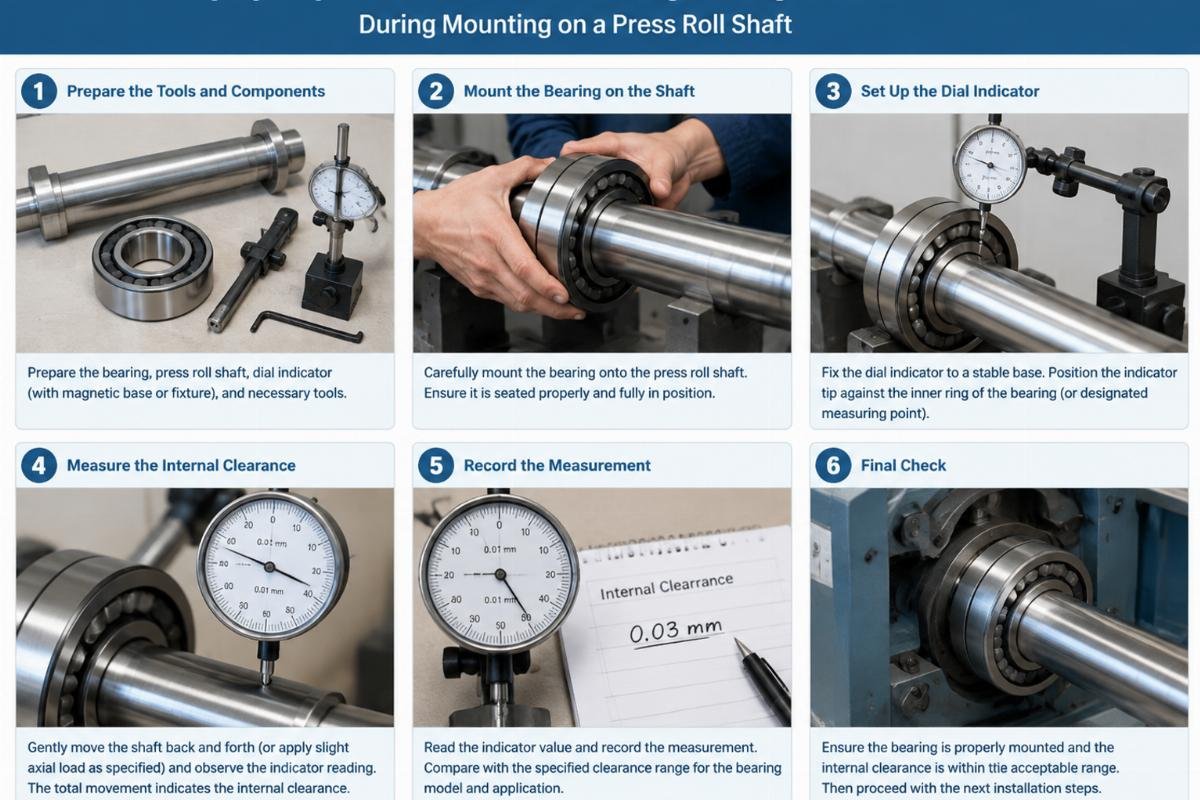
By following these steps, mills can move from reactive repairs to predictive maintenance. This not only reduces downtime but also optimizes the return on investment for high-quality components. As a global full-range bearing supplier, we support this transition by providing genuine bearings from brands like SKF, FAG, and NSK, along with technical selection support to ensure the right product is chosen for each specific application. Our experience across multiple regions has shown that combining quality products with correct installation practices yields the best results.
Conclusion
Accurate diagnosis and proper installation are the keys to maximizing bearing life in paper mills.
Vibration monitoring is a powerful tool, but it must be interpreted with an understanding of the underlying mechanical conditions. By focusing on root causes like clearance adjustment and seal integrity, mills can avoid unnecessary replacements and reduce unplanned downtime. Partnering with a knowledgeable supplier who understands these technical nuances can further enhance maintenance effectiveness and operational reliability.
Tags

About the author
author
Editor covering global sourcing, supplier verification, and industrial product knowledge. Content is compiled from manufacturer specifications, industry standards, and hands-on experience with international B2B buyers. Every article is fact-checked before publishing to help procurement professionals make informed decisions.
More articles by author

