Grease for Wet Hot Paper Mill Bearings: Wholesale Supplier
Select the right grease for wet hot paper mill bearings to prevent emulsification and seizure. Prioritize water washout resistance and synthetic base oils over simple dropping points for reliable performance. Match NLGI grades to bearing speed and load to avoid churning and extend service life in harsh environments.
 Written by
author
- Published on
- 7 min read
- Updated

Grease for Wet Hot Paper Mill Bearings: Wholesale Supplier
Higher dropping points do not guarantee survival in wet zones.
In high-moisture, high-temperature paper mill environments, grease selection must prioritize water washout resistance and synthetic base oil stability over simple thermal thresholds to prevent emulsification and bearing seizure. Standard lithium greases fail rapidly under these conditions, leading to unplanned downtime and catastrophic bearing failure.
I still remember the silence in a packaging paper plant in Suzhou after a press roll bearing seized. It was not a mechanical defect but a lubrication error. We had installed standard lithium-based grease, assuming its general-purpose rating was sufficient. Within weeks, the intense steam and heat caused the grease to emulsify and wash out completely. The bearing ran dry, overheated, and locked up, forcing an emergency line shutdown. That incident shifted my focus from merely supplying components to rigorously auditing lubrication specs. In wet and hot environments, the right grease is often more critical than the bearing brand itself. [NEED_CITE: common causes of bearing failure in pulp and paper industry]
Understanding why standard solutions fail is the first step toward reliable operation. This guide details how to evaluate lubricants for harsh papermaking conditions, ensuring your maintenance strategy aligns with the realities of wet and hot processing zones.
Why Do Standard Greases Fail in Paper Mills?
Standard lithium greases emulsify rapidly under high moisture and heat.
The primary failure mode in paper mills is not mechanical wear but chemical breakdown of the lubricant. Paper machines operate in environments saturated with steam, hot water, and fibrous slurry. Standard lithium-complex greases, while adequate for many industrial applications, lack the structural integrity to resist water ingress in these specific zones. When water penetrates the grease matrix, it causes emulsification, turning the lubricant into a thin, milky fluid that drains away from the contact surfaces. [NEED_CITE: mechanism of grease emulsification in wet environments]
Once the grease washes out, the bearing is left unprotected. In the dryer section, temperatures can exceed the operational limits of conventional thickeners, leading to carbonization. The grease hardens into a coke-like substance that increases friction and prevents proper rolling element movement. This combination of water washout in wet zones and thermal degradation in hot zones creates a perfect storm for bearing failure.
Consider a case from a Southeast Asian mill where dryer section bearings were failing every few months. The maintenance team was using a high-dropping-point lithium grease, believing it could withstand the heat. However, they overlooked the steam condensation occurring near the bearing housings. The water washed out the softener, leaving behind a dry, hardened residue that accelerated wear. Switching to a polyurea-based synthetic grease with high water resistance extended the service life significantly. [NEED_CITE: performance comparison of lithium vs polyurea greases in steam environments]
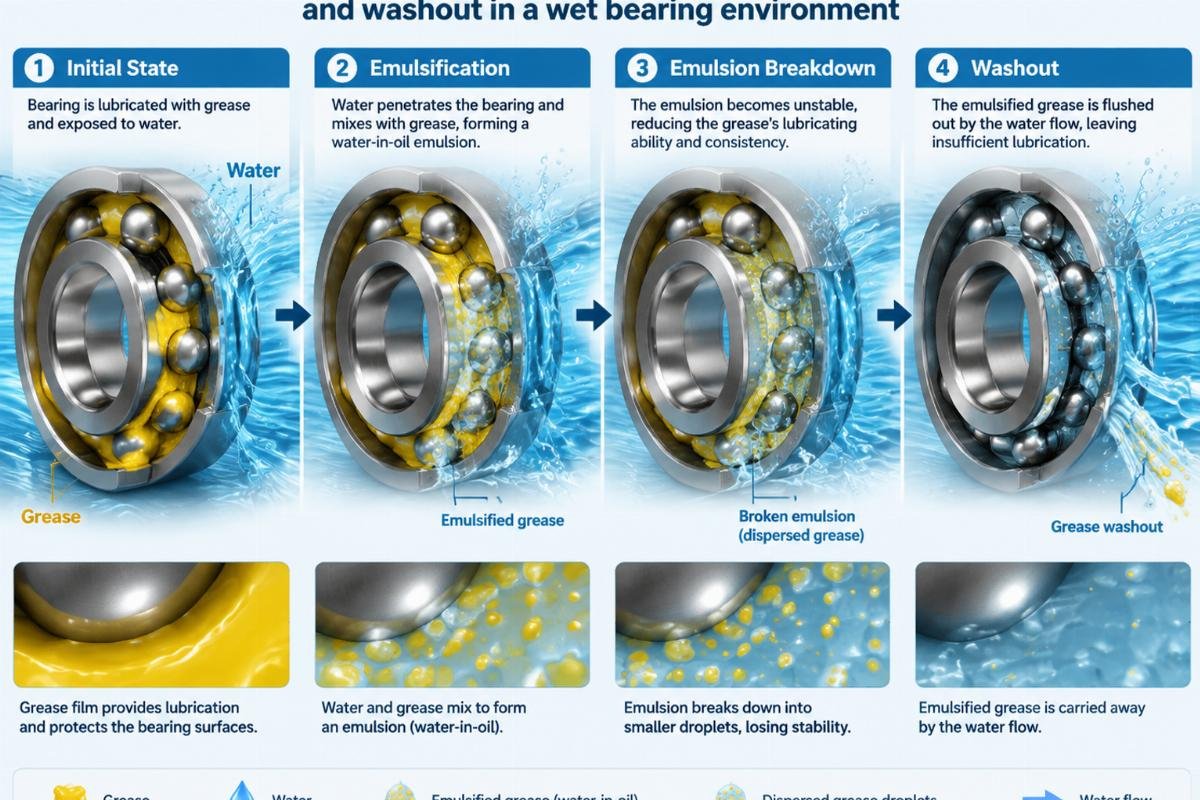
For buyers sourcing Grease for Wet Hot Paper Mill Bearings: Wholesale Supplier, understanding this failure mechanism is crucial. It dictates that price alone should not drive selection; chemical compatibility with the operating environment is paramount.
How to Evaluate Water and Heat Resistance?
Prioritize water washout rates and synthetic base oils over simple dropping points.
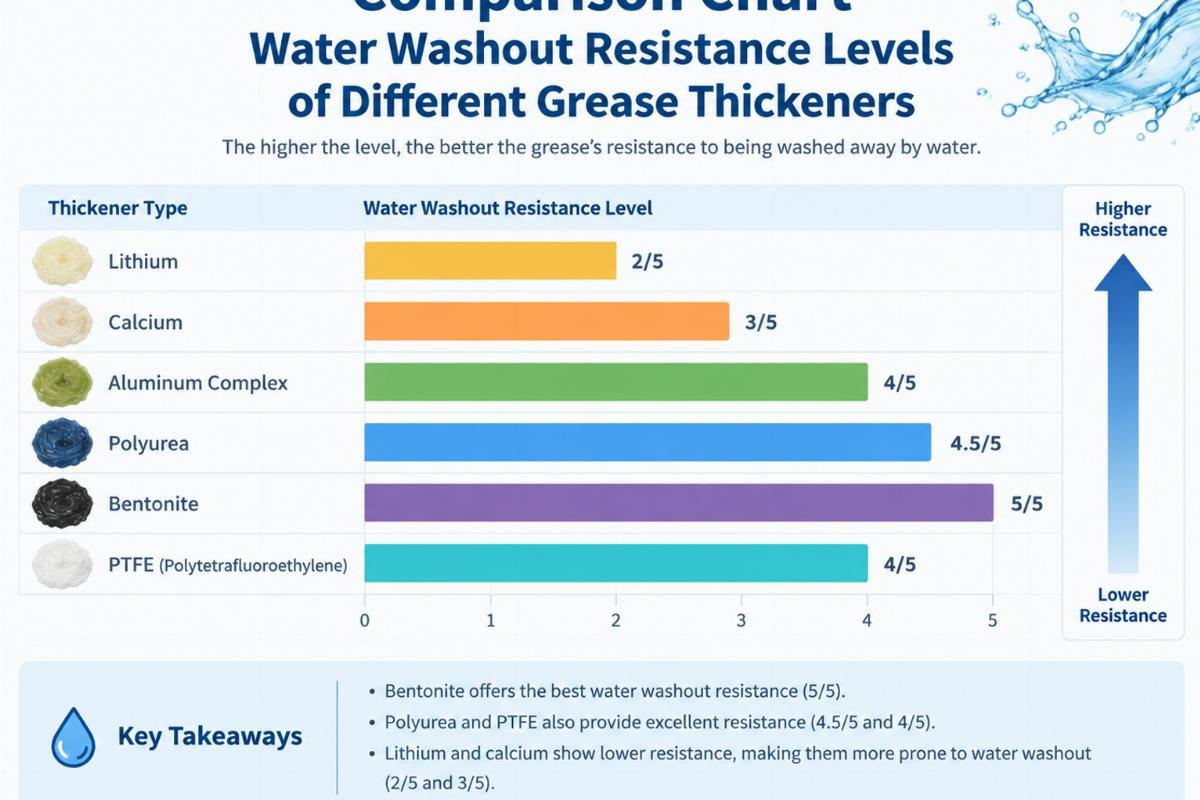
Many procurement specifications focus heavily on the dropping point, the temperature at which grease turns from semi-solid to liquid. While important, this metric does not measure water resistance. A grease can have a high dropping point yet wash out easily in a spray of hot water. To truly evaluate suitability for paper mills, one must look at water washout test results and base oil viscosity stability. [NEED_CITE: ASTM D4049 water washout test standards for lubricating greases]
Synthetic base oils, such as polyalphaolefin (PAO) or ester-based fluids, offer superior thermal stability and oxidation resistance compared to mineral oils. They maintain their viscosity profile across a wider temperature range, ensuring consistent film strength even when temperatures fluctuate rapidly between wet and dry sections. Additionally, thickeners like polyurea or calcium sulfonate provide better water resistance than traditional lithium soaps.
| Evaluation Criterion | Standard Lithium Grease | High-Performance Synthetic Grease |
|---|---|---|
| Water Washout Resistance | Vulnerable | Robust |
| Thermal Stability | Basic | Certified High-Temp |
| Base Oil Type | Mineral | Synthetic PAO/Ester |
| Oxidation Resistance | Standard | Extended |
A European tissue manufacturer once reported frequent re-lubrication intervals due to grease loss in the press section. After switching to a calcium sulfonate complex grease with a synthetic base, the re-lubrication frequency dropped noticeably. The grease maintained its consistency despite constant exposure to shower water and high mechanical loads. This change reduced maintenance labor costs and minimized the risk of contamination from over-greasing. [NEED_CITE: impact of grease type on relubrication intervals in paper machines]
When selecting Grease for Wet Hot Paper Mill Bearings: Wholesale Supplier, request technical data sheets that specifically cite water washout percentages and base oil composition. Do not rely solely on marketing claims of “high temperature” capability.
What EP Additives Are Needed for Heavy Loads?
Extreme pressure additives prevent micro-pitting in press and dryer rolls.
Paper machine bearings, particularly in the press and calender sections, operate under extreme radial loads. Without adequate extreme pressure (EP) additives, the metal-to-metal contact between rolling elements and raceways can lead to micro-pitting and surface fatigue. EP additives form a protective chemical film on metal surfaces, preventing welding and scoring under high stress. [NEED_CITE: role of EP additives in heavy-load bearing lubrication]
However, not all EP additives are suitable for every application. Some contain active sulfur or phosphorus compounds that can be corrosive to yellow metals or certain bearing cage materials. It is essential to match the additive package with the bearing construction and operating temperature. In high-temperature zones, inactive EP additives are preferred as they activate only under extreme pressure and temperature conditions, reducing the risk of chemical corrosion during normal operation.
A mill in Latin America experienced premature failure in their calender roll bearings. Investigation revealed that the standard EP grease was breaking down under the combined stress of high load and high temperature, leading to surface distress. Switching to a grease with a specialized solid lubricant additive, such as molybdenum disulfide, provided an additional layer of protection. This solid lubricant remained effective even when the base oil film was temporarily compromised by shock loads. [NEED_CITE: effectiveness of solid lubricants in extreme pressure applications]

For those seeking Grease for Wet Hot Paper Mill Bearings: Wholesale Supplier, ensure the selected product includes EP additives compatible with your specific bearing materials and load profiles. Verify the additive type with the manufacturer to avoid compatibility issues with seals or cages.
How to Match Grease with Bearing Types?
Align NLGI grades with bearing speed and clearance to avoid churning.
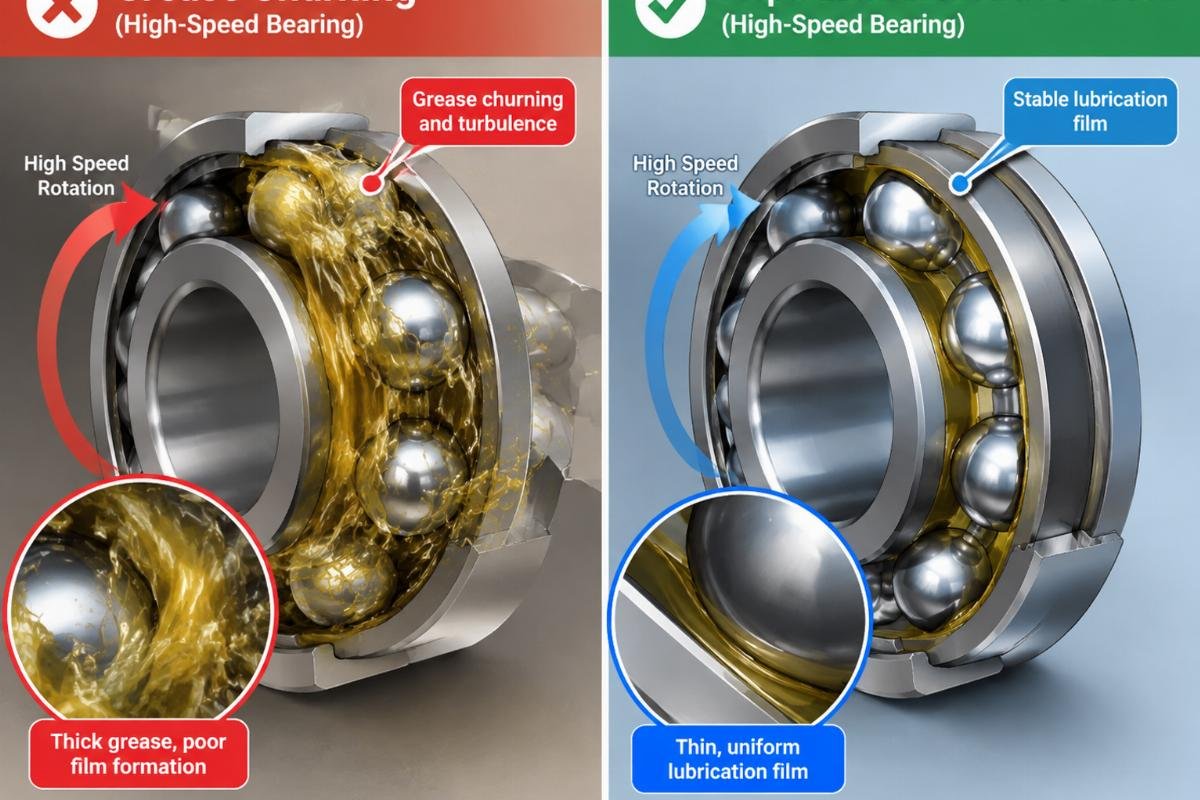
Selecting the correct National Lubricating Grease Institute (NLGI) consistency grade is critical for optimal performance. Using a grease that is too thick can cause churning and overheating, especially in high-speed applications. Conversely, a grease that is too thin may not stay in place under heavy loads or vibration. The goal is to match the grease consistency with the bearing’s speed factor and internal clearance. [NEED_CITE: NLGI consistency grades and their applications in rotating equipment]
In paper mills, slow-speed, heavy-load applications like press rolls often benefit from NLGI 2 or even NLGI 3 greases to ensure retention. High-speed dryer section bearings, however, typically require NLGI 1 or 2 greases with lower base oil viscosity to minimize frictional heat generation. Mismatching these parameters can lead to excessive temperature rise and premature grease degradation.
| Bearing Application | Typical Speed | Recommended NLGI Grade | Base Oil Viscosity |
|---|---|---|---|
| Press Rolls | Low | NLGI 2-3 | High |
| Dryer Section | Medium-High | NLGI 1-2 | Medium |
| Fan Motors | High | NLGI 1-2 | Low-Medium |
| Pulper Agitators | Low-Medium | NLGI 2 | High |
A case from a North American board mill highlighted this issue. Maintenance staff had standardized on a single NLGI 2 grease for all applications to simplify inventory. However, the high-speed dryer fans began overheating due to churning losses. Switching these specific bearings to an NLGI 1 grease with a lower viscosity base oil resolved the temperature issue without compromising protection. This adjustment demonstrated that a one-size-fits-all approach is rarely effective in complex machinery. [NEED_CITE: impact of grease consistency on bearing operating temperature]
When sourcing Grease for Wet Hot Paper Mill Bearings: Wholesale Supplier, provide detailed application parameters including speed, load, and temperature to ensure the recommended grease matches the specific bearing type and operating conditions.
Conclusion
Correct grease selection prevents emulsification and seizure in harsh paper mill environments.
Success in wet and hot paper mill operations depends on choosing lubricants with proven water resistance, thermal stability, and appropriate EP additives. Matching NLGI grades to bearing speed and load further ensures longevity and reliability. By prioritizing these technical factors over generic specifications, maintenance teams can significantly reduce unplanned downtime and extend bearing service life. For comprehensive support in matching genuine SKF, FAG, NSK, and other premium bearings with optimal lubrication specs, our technical consultation services are available to assist with precise selection and supply chain integration.
Tags

About the author
author
Editor covering global sourcing, supplier verification, and industrial product knowledge. Content is compiled from manufacturer specifications, industry standards, and hands-on experience with international B2B buyers. Every article is fact-checked before publishing to help procurement professionals make informed decisions.
More articles by author

