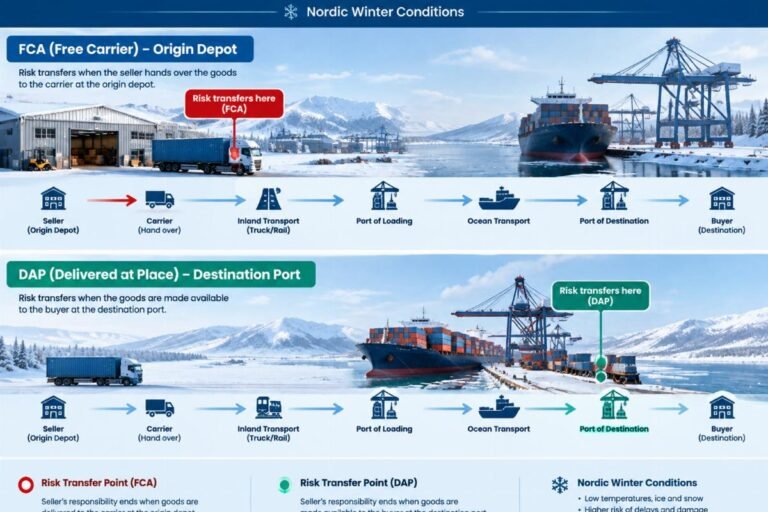
Winter Logistics Bearings: Bulk Wholesale Supplier for Northern Deliveries
Winter bearing logistics fails when standard crates trap moisture and greases seize in sub-zero cold. Prevent rust with vacuum-sealed packaging and ensure reliability using synthetic low-temperature lubricants. Avoid northern delivery delays through flexible LCL consolidation strategies that bypass frozen port bottlenecks.
 Written by
author
- Published on
- 8 min read
- Updated
Winter Logistics Bearings: Bulk Wholesale Supplier for Northern Deliveries
Thick wooden crates do not protect bearings from the cold; they trap moisture that destroys them.
Successful northern winter deliveries require proactive anti-condensation packaging, low-temperature grease selection, and flexible consolidation to avoid freezing delays. Standard shipping methods fail in high-latitude zones because they ignore the physics of dew points and viscosity changes, leading to seized equipment upon arrival.
I still remember the silence on the phone line when a mining client in northern Canada called me. We had shipped a full container of spherical roller bearings using standard export wooden crates, assuming the wood would insulate against the sub-zero temperatures. The cargo sat at a port where daytime temperatures hovered near freezing while nights plunged well below zero. When the client opened the crates, the bearings were not frozen solid, but they were coated in a fine layer of rust. The temperature fluctuations inside the sealed wooden boxes had caused condensation, washing away the protective oil film. That failure cost us more than just the replacement parts; it cost us the trust of a key distributor who needed those crushers running before the spring thaw. Since then, I have stopped treating winter shipping as a simple logistics task and started treating it as a technical challenge involving thermodynamics and fluid mechanics. [NEED_CITE: impact of temperature fluctuation on bearing corrosion during transit]
Understanding why standard practices fail is the first step to securing your supply chain. Most buyers assume that if the box looks intact, the contents are safe. In reality, the enemy of winter logistics is not the cold itself, but the moisture that forms when warm air meets cold surfaces inside inadequate packaging. This guide breaks down the specific adjustments needed for Winter bearing logistics to ensure your equipment arrives ready for installation, not repair.
How Does Winter Condensation Destroy Bearings in Transit?
Temperature shifts inside standard crates cause rust; moisture-proof liners are mandatory.
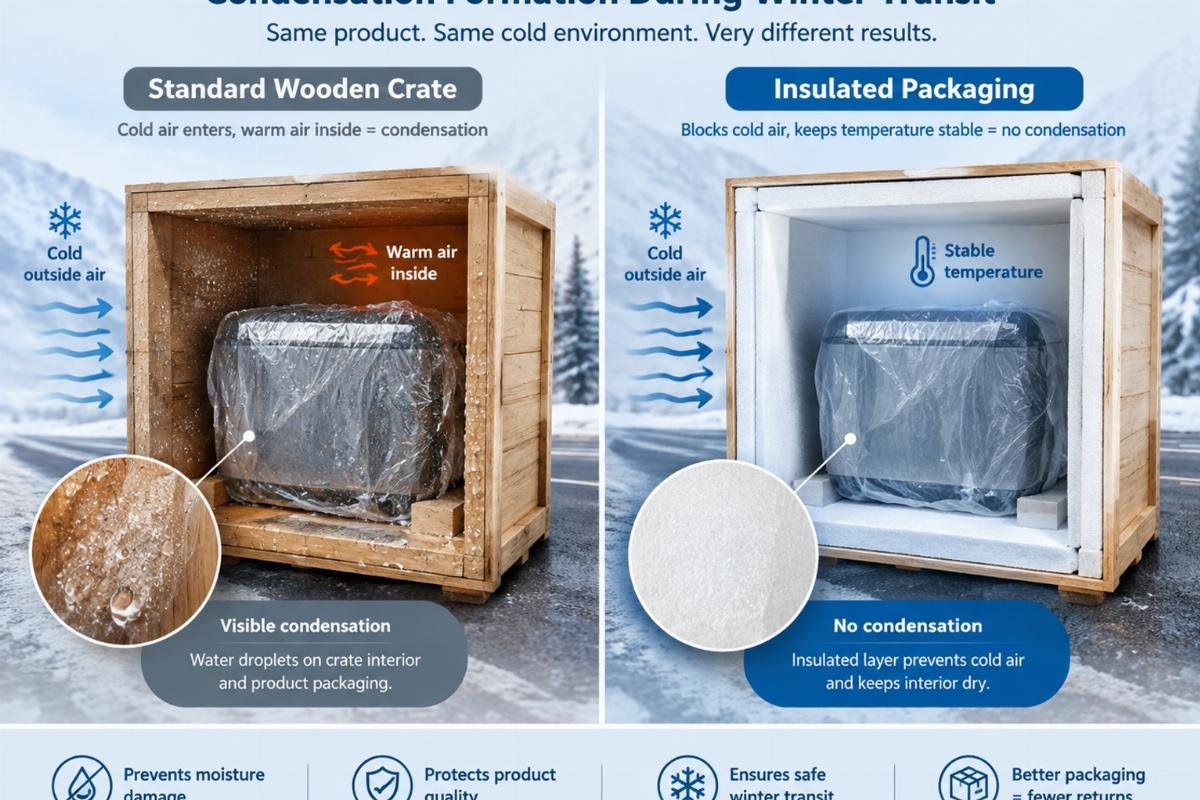
The primary mechanism of damage in northern routes is not freezing, but condensation. When bearings are packed in a warehouse at twenty degrees Celsius and shipped to a region where temperatures drop below zero, the air trapped inside the packaging holds moisture. As the external temperature drops, the internal air cools, reaching its dew point. This causes water vapor to condense directly onto the metal surfaces of the bearings. [NEED_CITE: dew point calculation principles for industrial packaging]
I have seen this happen repeatedly with clients who insist on using standard wooden crates without additional protection. Wood is porous and offers minimal thermal resistance. It does not keep the cold out; it merely slows the temperature change enough to create a prolonged period where condensation can occur. The result is micro-corrosion that may not be visible to the naked eye until the bearing is installed and begins to rotate. At that point, the roughened raceways cause premature wear and noise, leading to unexpected downtime.
To prevent this, we shifted to using vacuum-sealed plastic barriers combined with desiccant packs inside the crates. This approach isolates the bearings from the ambient air entirely. Additionally, adding a layer of thermal insulation between the inner packaging and the outer wooden crate helps stabilize the internal temperature, reducing the frequency and severity of thermal shocks. [NEED_CITE: effectiveness of vapor barrier packaging in preventing corrosion]
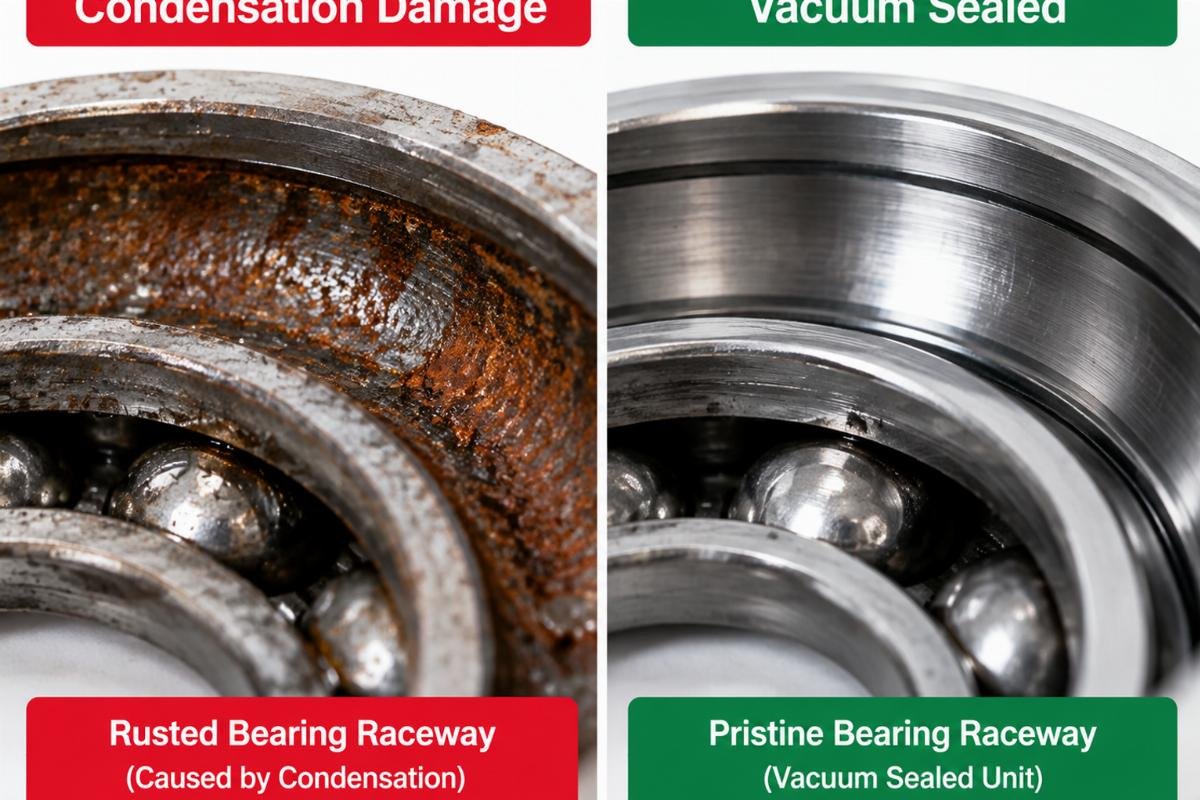
For distributors handling Winter bearing logistics, the cost of upgrading packaging is negligible compared to the cost of a single returned shipment. It is not enough to rely on the manufacturer’s original paper or light plastic wrap. For northern destinations, the packaging must be engineered to withstand a thermal gradient that can span thirty degrees or more during a single voyage.
What Packaging Upgrades Prevent Northern Freezing Delays?
Vacuum sealing and thermal insulation bypass customs holds caused by damaged goods.
Delays in winter often stem from customs inspections triggered by visible damage or poor documentation. If a crate arrives with water stains or signs of compromise, inspectors may hold the cargo for further examination, causing it to miss critical delivery windows. In some cases, frozen ports mean there is no flexibility to reschedule, making every day of delay critical. [NEED_CITE: common reasons for customs holds on industrial machinery parts in winter]
A European distributor once faced a severe penalty because a shipment of tapered roller bearings arrived with compromised packaging. The outer crates were wet, and although the bearings inside were technically functional, the client refused acceptance due to quality assurance protocols. The shipment was held in a bonded warehouse for weeks while we negotiated a resolution. This experience highlighted that packaging is not just about protection; it is about compliance and perception.
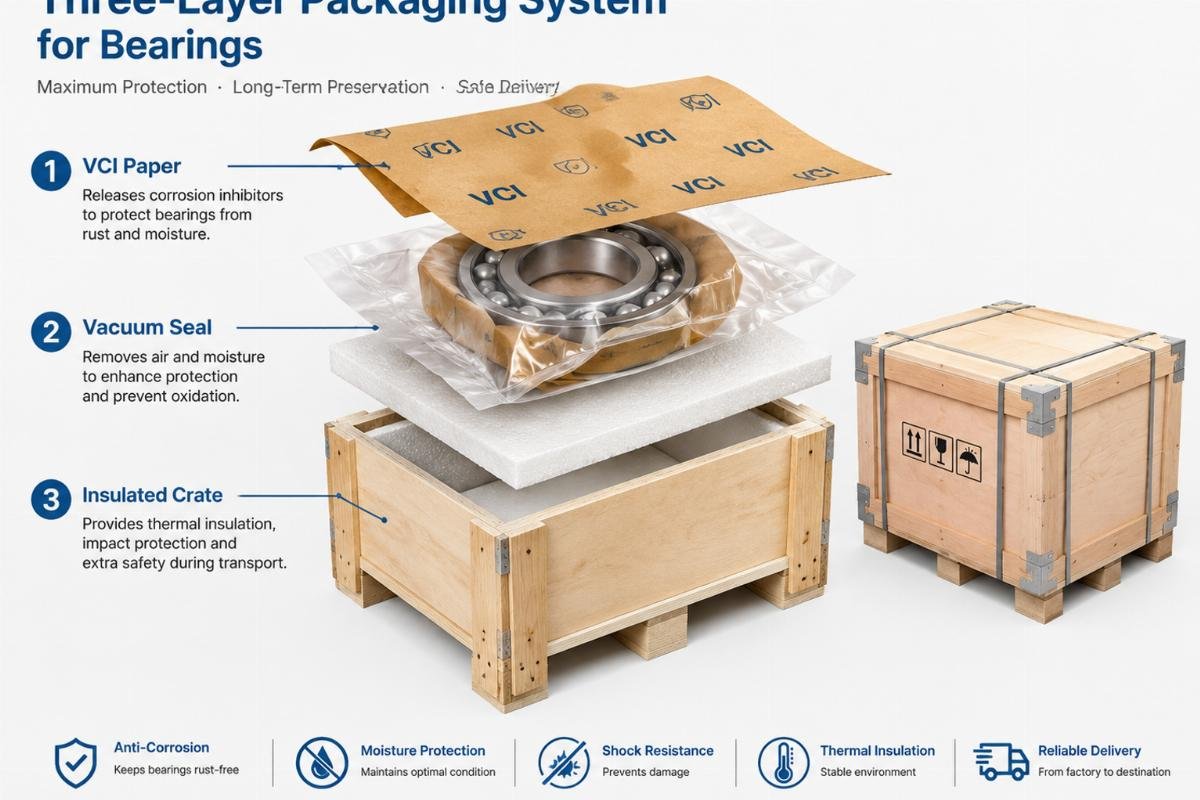
We now recommend a three-layer defense for Winter bearing logistics:
- Inner Layer: VCI (Vapor Corrosion Inhibitor) paper or film wrapped tightly around each bearing unit.
- Middle Layer: Vacuum-sealed heavy-duty polyethylene bags with silica gel desiccants to absorb any residual moisture.
- Outer Layer: Reinforced wooden crates with lined insulation boards to buffer against extreme external temperature swings.
This method ensures that even if the outer crate gets wet from snow or ice melt, the internal environment remains dry and stable. It also presents a professional appearance to customs officials, reducing the likelihood of intrusive inspections that can damage packaging further. [NEED_CITE: best practices for export packaging of precision mechanical components]
By investing in these upgrades, suppliers can significantly reduce the risk of rejection and delay. For buyers, specifying these requirements in the purchase order ensures that the supplier understands the severity of the winter conditions. It transforms the packaging from a commodity into a critical component of the product’s integrity.
Which Greases Actually Survive Sub-Zero Northern Routes?
Standard greases thicken and seize; low-temperature synthetic variants are required.
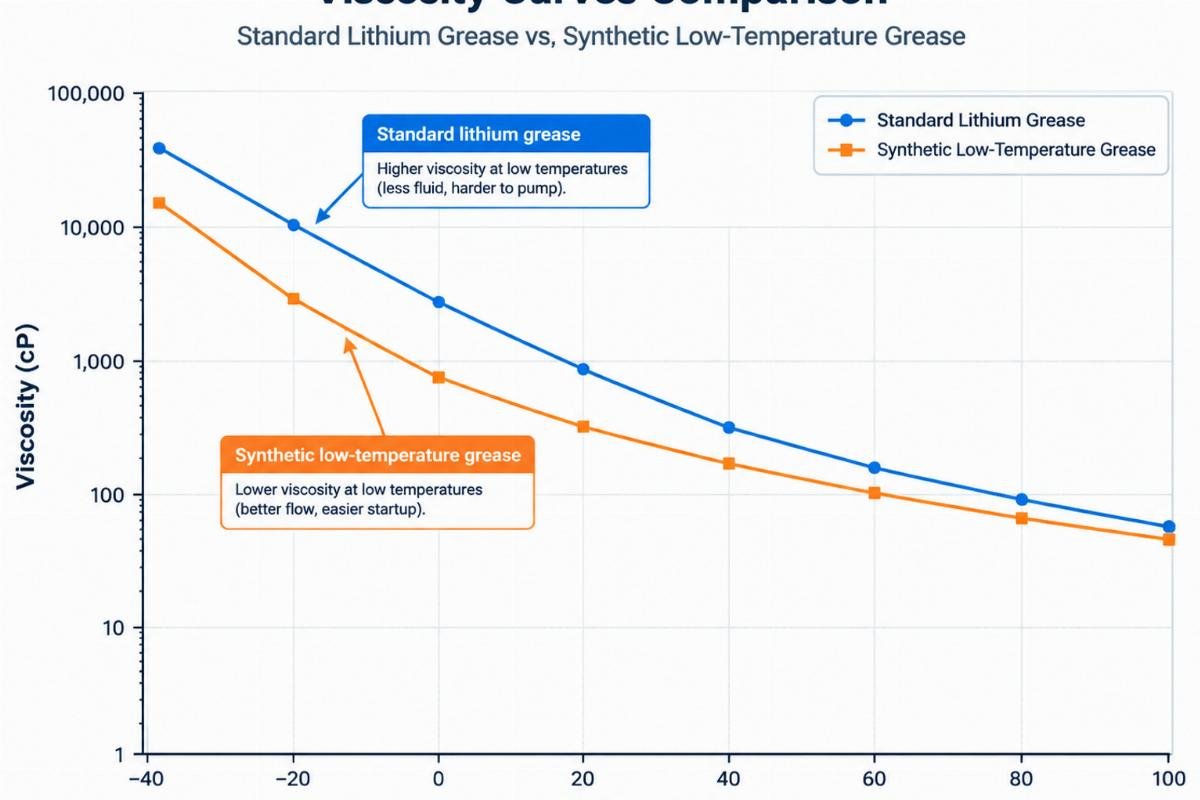
Even if the bearing arrives rust-free, it may still fail if the lubricant is not suited for the operating environment. Many standard lithium-based greases undergo a dramatic increase in viscosity as temperatures drop. In sub-zero conditions, these greases can become so thick that they act like glue, preventing the rolling elements from moving freely. This leads to high startup torque, excessive heat generation, and eventual seizure. [NEED_CITE: viscosity-temperature characteristics of standard vs synthetic bearing greases]
I recall a case involving a wind farm operator in Scandinavia. They had installed new pitch bearings stocked with standard general-purpose grease. During the first cold snap, several turbines failed to adjust their blade angles correctly. The investigation revealed that the grease had hardened to the point where the motors could not overcome the resistance. The cost of replacing the grease in situ at height was exponentially higher than the initial cost of the bearings.
For Winter bearing logistics, selecting the right grease is as important as selecting the right bearing type. Synthetic base oils, such as polyalphaolefin (PAO) or ester-based fluids, maintain their flow characteristics at much lower temperatures than mineral oils. They have a lower pour point and a flatter viscosity-temperature curve. [NEED_CITE: performance comparison of synthetic vs mineral oil greases in low temperatures]
When sourcing bearings for northern climates, always verify the grease specification. Do not assume that “standard” grease is adequate. Request technical data sheets that show the kinematic viscosity at minus forty degrees Celsius or lower. If the supplier cannot provide this data, consider it a red flag. In many cases, it is safer to ship bearings dry or with a light preservative oil and have the end-user apply the specific low-temperature grease on-site, ensuring it matches the exact operational requirements.
This approach eliminates the risk of incompatible or inadequate lubrication during transit and storage. It also gives the end-user control over the final application, ensuring that the bearing is prepared for the specific load and speed conditions it will face in the field.
How Can Flexible Consolidation Beat Winter Port Freezes?
Mixed-batch LCL shipping avoids full-container delays when specific routes freeze.
Winter weather does not just affect the cargo; it affects the infrastructure. Ports in high-latitude regions frequently experience ice buildup, leading to reduced throughput and extended dwell times. Full container loads (FCL) are particularly vulnerable because if one part of the supply chain is delayed, the entire container is stuck. Less than container load (LCL) consolidation offers a more resilient alternative. [NEED_CITE: impact of winter weather on port throughput and shipping schedules]
By consolidating orders from multiple suppliers or mixing different product lines into a single LCL shipment, buyers can reduce their exposure to route-specific disruptions. If one port is frozen, consolidated cargo can often be rerouted through alternative hubs more easily than a dedicated full container. This flexibility is crucial for maintaining inventory levels during the unpredictable winter months.
We have helped several MRO operators optimize their Winter bearing logistics by shifting from rigid FCL schedules to dynamic LCL consolidation. This allows them to order smaller quantities more frequently, reducing the amount of capital tied up in inventory that might be delayed. It also enables them to react quickly to urgent breakdowns by piggybacking on existing consolidated shipments rather than waiting for a full container to be filled. [NEED_CITE: advantages of LCL consolidation for supply chain resilience in seasonal markets]
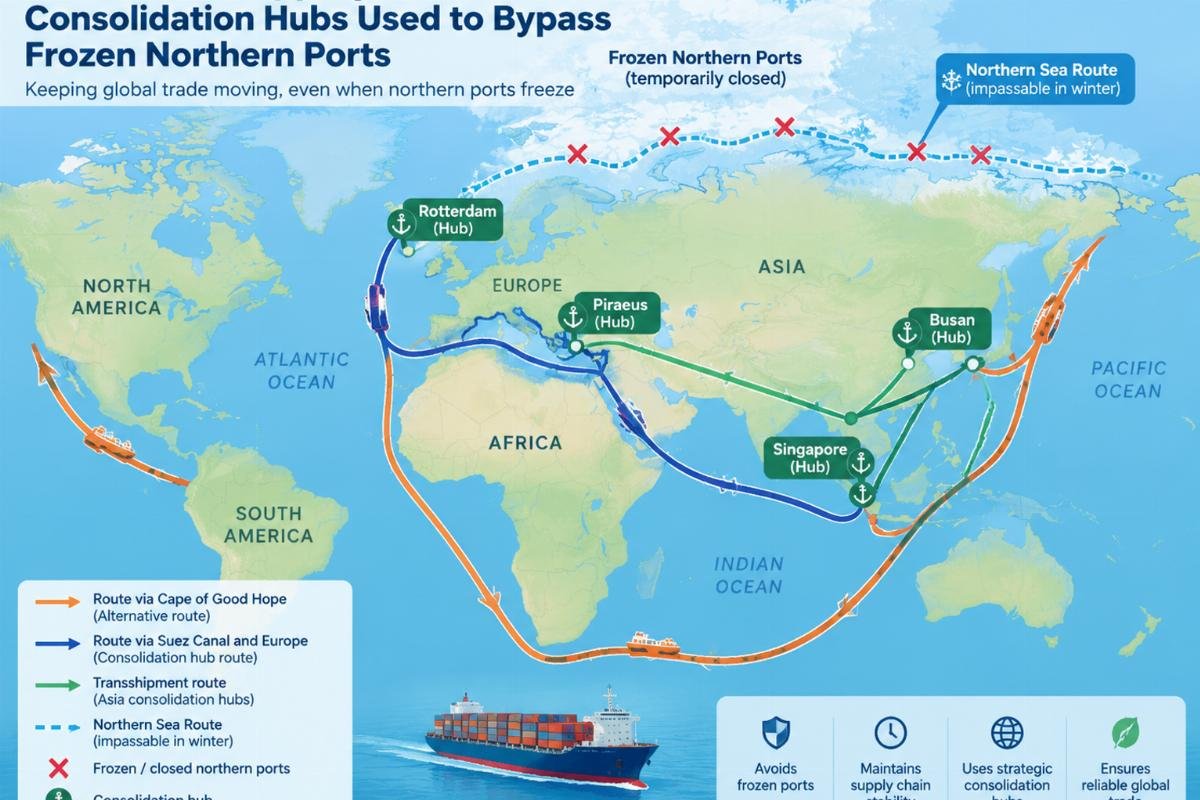
This strategy requires close coordination with a supplier who has robust global consolidation capabilities. The supplier must be able to manage complex mixed-brand, mixed-size packages efficiently, ensuring that all documentation is accurate and complete to prevent customs delays. For buyers, this means working with partners who view logistics as a strategic service, not just a transportation function.
Conclusion
Proactive planning prevents winter logistics failures.
Northern deliveries demand more than just standard shipping procedures. By addressing condensation through advanced packaging, selecting appropriate low-temperature lubricants, and utilizing flexible consolidation strategies, buyers can mitigate the risks associated with winter transport. These steps ensure that bearings arrive in optimal condition, ready to support critical industrial operations without delay. Effective Winter bearing logistics is built on attention to detail and a deep understanding of the environmental challenges involved.
Tags

About the author
author
Editor covering global sourcing, supplier verification, and industrial product knowledge. Content is compiled from manufacturer specifications, industry standards, and hands-on experience with international B2B buyers. Every article is fact-checked before publishing to help procurement professionals make informed decisions.
More articles by author