EORI Number for Bearing Imports into the Nordics: Wholesale Supplier
A valid EORI number for bearing imports into the Nordics is the absolute prerequisite for clearing industrial bearings and avoiding severe port delays. Relying on dual-clearance channels without verifying the real EORI leads to production halts, so ensure your documentation aligns with EU customs databases.
 Written by
author
- Published on
- 8 min read
- Updated
EORI Number for Bearing Imports into the Nordics: Wholesale Supplier
Most buyers assume “dual-clearance tax-inclusive” shipping is safe. It is not.
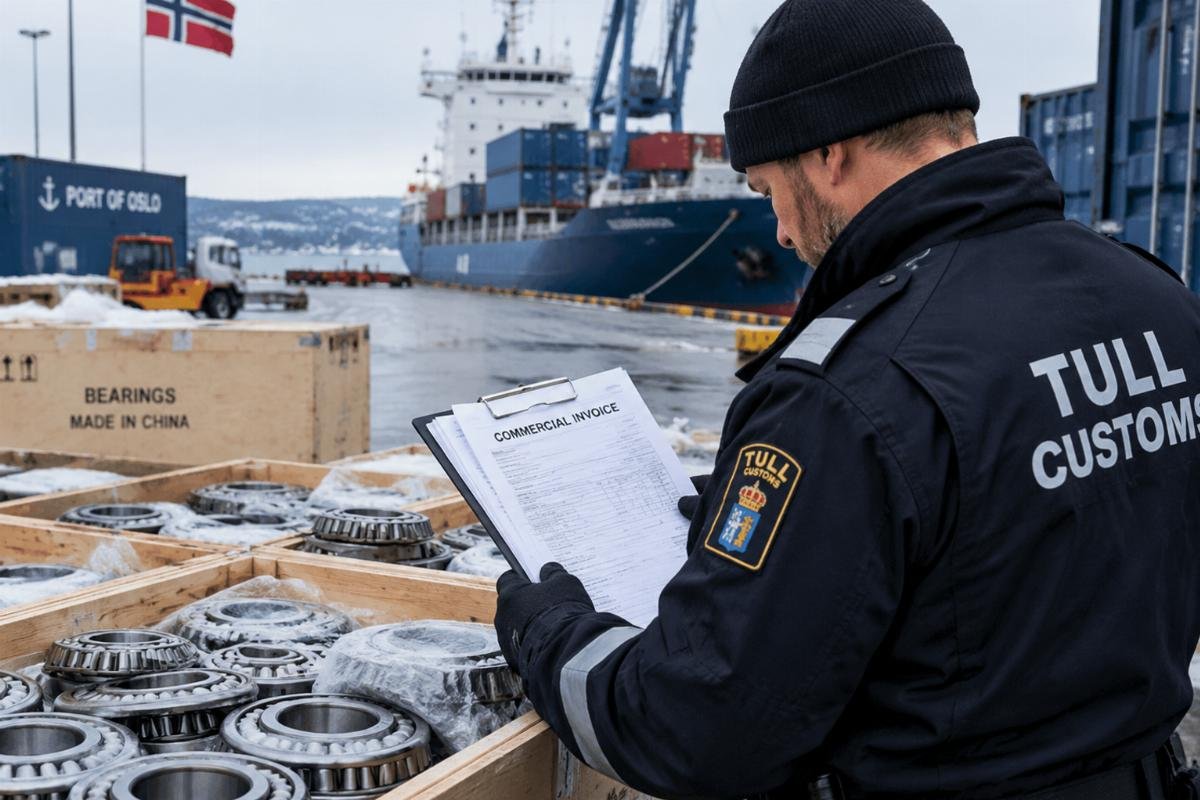
A valid EORI number is the absolute prerequisite for clearing industrial bearings into Nordic countries. Relying on dual-clearance channels without verifying the real EORI leads to severe port delays and production halts.
I still remember the panic in my inbox a few years ago. A Swedish mining client was waiting for a batch of FAG spherical roller bearings to overhaul a critical crusher. We had shipped via a forwarder who promised a hassle-free, all-inclusive clearance service. The goods arrived at Gothenburg port, but they never moved. The issue was not the quality of the bearings or the completeness of the commercial invoice. The issue was that the forwarder used a shared, generic EORI number that did not match the importer of record. [NEED_CITE: EU Customs Directive requirements for unique economic operator identification]. The cargo sat there, accruing demurrage fees that quickly eclipsed the value of the bearings themselves. The client’s production line was down, and every hour of delay cost them far more than the freight savings we had initially celebrated. That experience reshaped how I view logistics. The EORI number for bearing imports into the Nordics is not just a bureaucratic formality; it is the digital key that unlocks the border.
Understanding this distinction is vital for any distributor or MRO operator sourcing from abroad. Let us break down exactly what this identifier is, why it causes seizures, and how to ensure your supply chain remains uninterrupted.
What Exactly is an EORI Number for Nordic Imports?
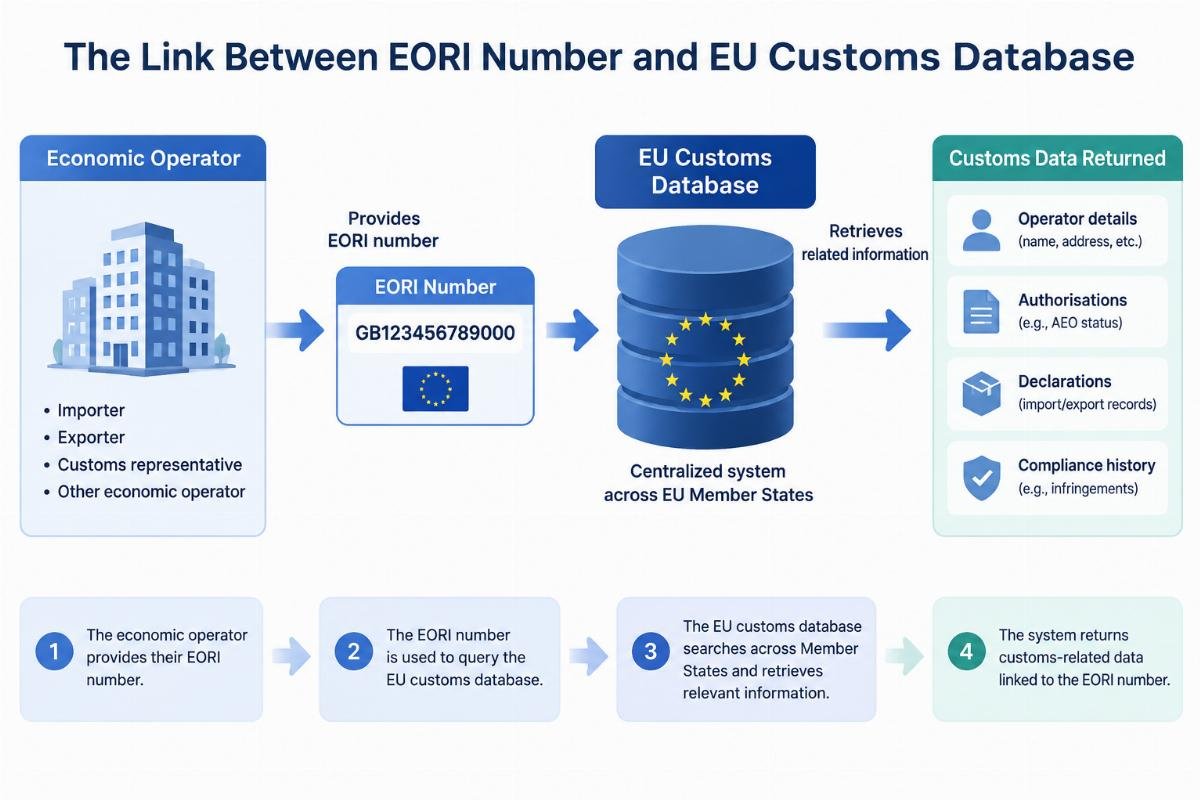
It is the unique digital ID linking your import declaration to EU customs databases.
The Economic Operators Registration and Identification (EORI) number is a unique code assigned to businesses that engage in customs activities within the European Union. For Nordic countries that are EU members, such as Sweden, Finland, and Denmark, this number is mandatory for any entity acting as an importer or exporter. [NEED_CITE: Nordic Customs Agencies guidelines on economic operator registration]. It is not merely a tax number; it is a customs identity.
Many buyers confuse the VAT number with the EORI number. While they often look similar, they serve different purposes. The VAT number is for tax collection, while the EORI number is for customs control and security. In the context of importing industrial components like deep-groove ball bearings or tapered roller bearings, the EORI number allows customs authorities to track who is bringing goods into the union. Without it, the Import Control System 2 (ICS2) cannot validate the entry summary declaration. [NEED_CITE: ICS2 phase 3 data matching requirements for safety and security].
For non-EU buyers, such as distributors in the Middle East or Asia who might be buying for a subsidiary in Europe, the situation is more complex. You cannot simply use your local business registration. You must either have an EU-based entity with its own EORI or appoint an indirect representative. This is where many transactions fail. The EORI number for bearing imports into the Nordics must belong to the entity legally responsible for the goods at the point of entry. If you are shipping a mixed-brand container of SKF, NSK, and TIMKEN bearings to a warehouse in Helsingborg, the EORI on the declaration must match the legal entity owning that warehouse.
Why Do Bearing Shipments Get Seized at Nordic Ports?
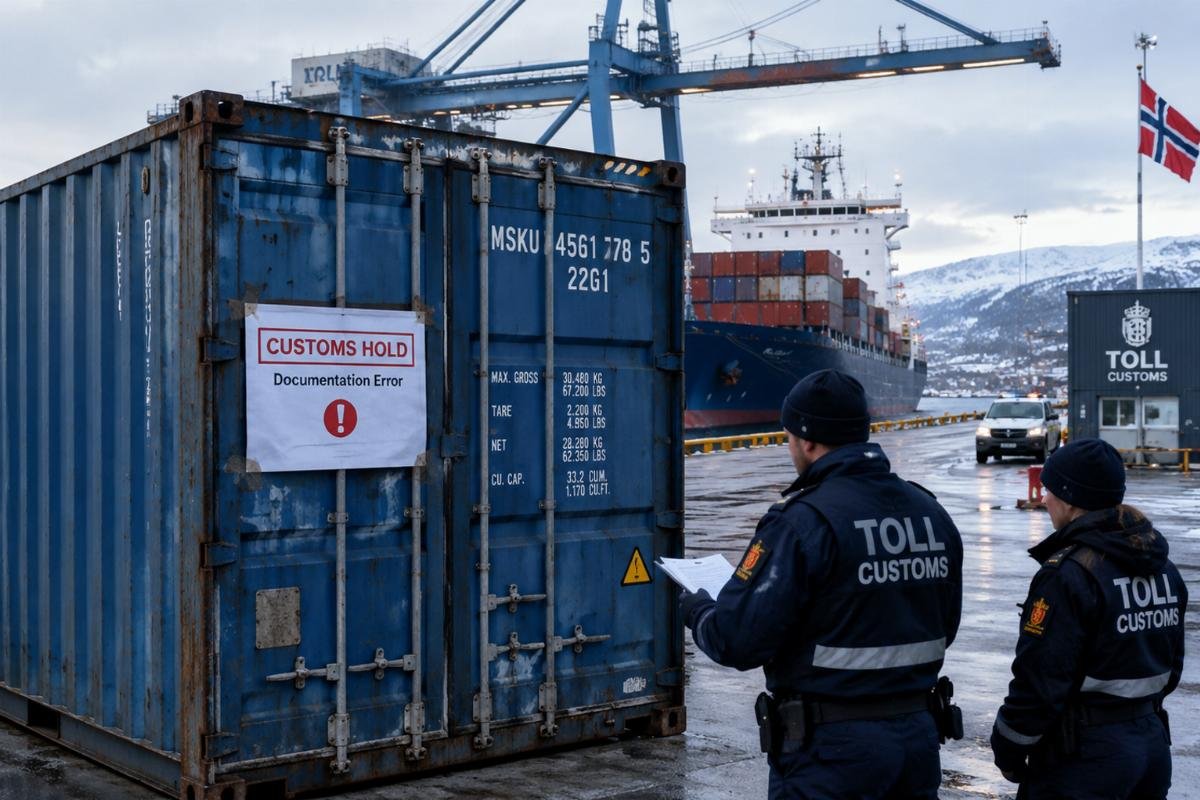
Missing or mismatched EORI triggers ICS2 automated interception, causing massive demurrage.
The primary reason for seizure is not suspicion of counterfeit goods, although that is always a risk. The primary reason is data mismatch. Modern customs systems are automated. When a vessel arrives, the carrier submits an entry summary declaration. This declaration includes the EORI number of the importer. If this number is invalid, missing, or does not match the VAT number associated with the entity, the system flags the shipment. [NEED_CITE: WCO guidelines on data quality in customs declarations].
Consider a case involving a mixed-brand container consolidation. A buyer in Latin America was sourcing various sizes of cylindrical roller bearings and needle bearings for resale in the European market. They used a freight forwarder who claimed to handle all customs formalities. However, the forwarder used a generic EORI number for multiple clients to save on administrative costs. When the container arrived in Denmark, customs rejected the declaration because the EORI did not match the specific VAT registration of the actual consignee. The result was a complete rejection of the entry. The buyer had to hire a local customs broker to rectify the situation, which involved submitting new documents, proving the ownership of the goods, and paying penalties. The clearance time extended by weeks, and several SKUs were held in bonded storage, incurring daily fees.
This scenario highlights a counter-intuitive truth: most buyers think “dual-clearance tax-inclusive” services are safe because the price includes duties. In reality, these services often rely on shared, invalid EORI numbers. The forwarder acts as the importer of record, but if their EORI is flagged or if they lack the proper indirect representation authorization for non-EU entities, the entire container is stuck. [NEED_CITE: Requirements for indirect representation power of attorney in EU customs]. The EORI number for bearing imports into the Nordics must be verified and valid for the specific transaction.
How to Verify and Apply for a Valid EORI?
Non-EU buyers must use indirect representation; verify via the official EU database.
If you are a non-EU entity, you cannot apply for an EORI number directly in most cases. Instead, you must appoint an indirect representative. This is a customs broker or logistics provider established in the EU who acts on your behalf. They use their own EORI number or one specifically assigned for your transactions. However, this requires a Power of Attorney (POA) that explicitly authorizes them to act for you. [NEED_CITE: EU Customs Code provisions on indirect representation].
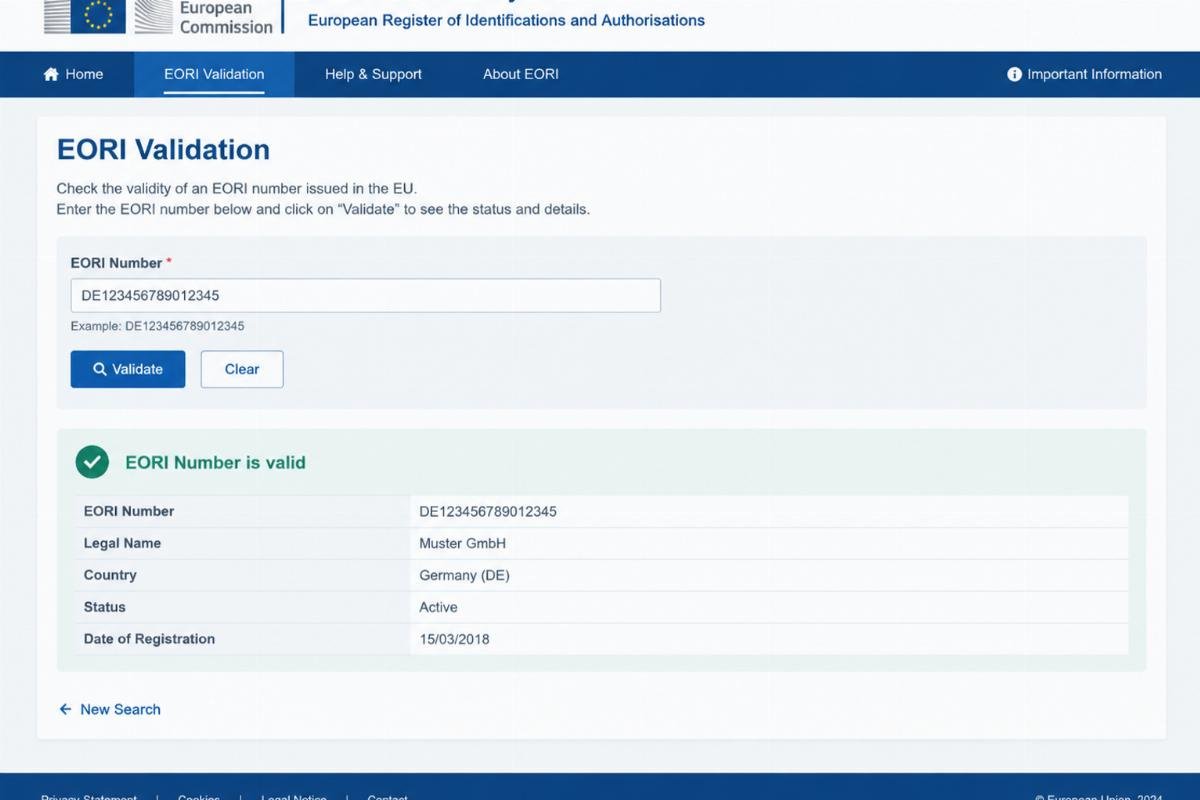
To verify an EORI number, you can use the official EU EORI validation system. This is a free online tool where you can enter the EORI number and check its status. It will tell you if the number is valid and which country issued it. For example, an EORI number starting with “SE” is issued by Sweden. If you are importing bearings into Sweden, the EORI should ideally be Swedish or from another EU member state, depending on the customs procedure used.
In our operations, we ensure that all traceability documents and EORI details match perfectly before dispatch. For a recent urgent spare parts order for a wind farm in Norway, we worked with a verified local indirect representative. Their EORI was pre-validated, and the POA was in place. This allowed for expedited clearance. The lead time was reduced significantly, and the downtime saved for the wind farm operator was substantial. By using a verified local partner, we avoided the pitfalls of generic forwarding services. The EORI number for bearing imports into the Nordics was correct, and the goods cleared customs within hours of arrival.
What Documents Are Needed Alongside the EORI?
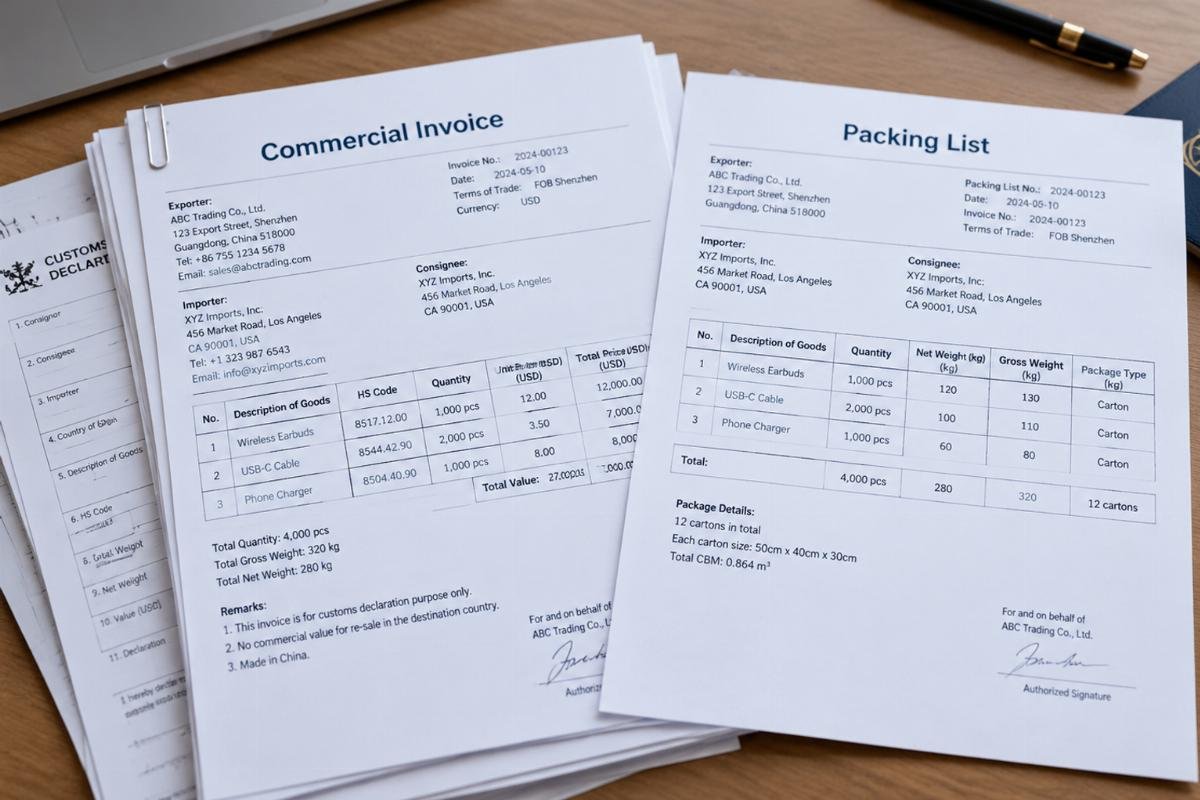
Commercial invoice, packing list, and POA must perfectly align with the EORI entity.
Having a valid EORI number is necessary, but it is not sufficient. The documents supporting the import declaration must align with the EORI holder. The commercial invoice must list the correct buyer and seller details. The packing list must match the physical contents of the shipment. And if an indirect representative is used, the Power of Attorney must be available for inspection.
A common error is mismatched addresses. The address on the EORI registration must match the address on the commercial invoice. If there is a discrepancy, customs may question the validity of the declaration. For high-value items like precision special-application bearings or large spherical roller bearings, this scrutiny is even higher. Customs officers may request additional proof of value or origin.
Another critical document is the certificate of origin. While not always mandatory for duty calculation under certain trade agreements, it helps establish the legitimacy of the goods. For bearings from brands like SKF, FAG, or INA, having the original manufacturer’s documentation can speed up the process. It proves that the goods are genuine and not counterfeit. [NEED_CITE: EU anti-counterfeiting measures for industrial components].
When we consolidate shipments for bulk project orders, we ensure that every document is cross-checked against the EORI details. This includes verifying the HS codes for each type of bearing. Deep-groove ball bearings, angular contact ball bearings, and thrust bearings all have specific HS codes. Incorrect classification can lead to incorrect duty assessment and further delays. The EORI number for bearing imports into the Nordics is just one part of a compliant documentation package.
Conclusion
Valid EORI verification is the foundation of smooth Nordic customs clearance.
Importing industrial bearings into the Nordics requires more than just finding the right product. It demands rigorous attention to customs compliance. The EORI number for bearing imports into the Nordics is the critical link that ensures your goods do not get stuck at the border. By understanding the role of indirect representation, verifying EORI numbers through official channels, and ensuring document alignment, you can avoid costly delays. Whether you are sourcing for a mining overhaul or a wind farm maintenance project, prioritizing customs compliance is as important as selecting the right bearing brand.

About the author
author
Editor covering global sourcing, supplier verification, and industrial product knowledge. Content is compiled from manufacturer specifications, industry standards, and hands-on experience with international B2B buyers. Every article is fact-checked before publishing to help procurement professionals make informed decisions.
More articles by author