Genuine Bearings to Gothenburg: Sea Freight Wholesale Supplier
Master Shipping bearings to Gothenburg, sea freight bearings Sweden by ensuring strict HS code accuracy and ISPM 15 wood packaging compliance. Avoid costly port delays and demurrage through precise documentation and FCL consolidation strategies for mixed-brand shipments from China.
 Written by
author
- Published on
- 6 min read
- Updated
Genuine Bearings to Gothenburg: Sea Freight Wholesale Supplier
The cheapest freight quote often becomes the most expensive line item on your invoice.
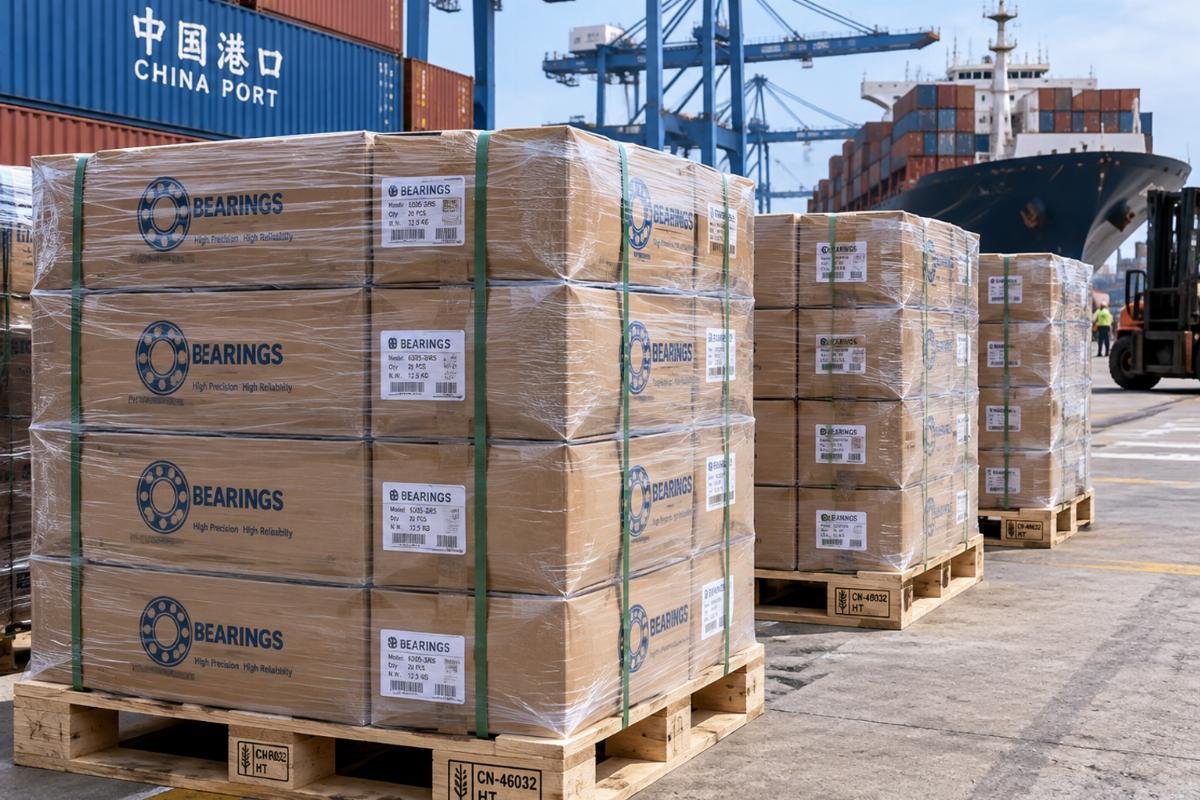
Successfully shipping bearings to Gothenburg requires strict compliance with Swedish customs, particularly regarding HS code accuracy and ISPM 15 wood packaging, to avoid costly port delays. Most procurement errors stem not from logistics failures but from documentation mismatches that trigger manual inspections at the Port of Gothenburg.
I still recall the chill that ran down my spine standing on the docks of Ningbo Beilun Port years ago. A container bound for Gothenburg, loaded with a mix of SKF units and domestic spherical roller bearings, had been held up. The issue was not the cargo itself but the discrepancy between the declared HS codes and the physical packaging specifications. That single administrative oversight resulted in a delay that stretched into weeks, with demurrage charges eventually exceeding the value of the goods inside. Since then, every pallet nail and every digit on a commercial invoice has been scrutinized with military precision before leaving China. This experience underscores that Shipping bearings to Gothenburg, sea freight bearings Sweden is less about moving metal and more about managing data integrity across borders.
Understanding these nuances transforms a potential logistical nightmare into a routine supply chain operation. The following insights detail how to navigate these specific requirements effectively.
What Are the Critical Customs Documents for Bearings to Gothenburg?
Accurate HS codes and itemized packing lists are mandatory to prevent clearance holds.
Swedish Customs Agency (Tullverket) operates with a high degree of automation, but this efficiency relies entirely on the precision of incoming data. When importing industrial components, the Harmonized System (HS) code is the primary identifier. For bearings, this typically falls under Chapter 84, but the specific subheading depends on the type—deep-groove ball bearings versus tapered roller bearings, for instance. A generic declaration can trigger a red flag, leading to physical inspection.
[NEED_CITE: Swedish Customs Agency guidelines on industrial component classification]
In one instance, a European distributor attempted to consolidate a mixed-brand shipment. The packing list grouped various bearing types under a single broad category. Upon arrival in Gothenburg, customs officials could not verify the contents against the declaration without opening multiple crates. This resulted in a significant delay. The correct approach involves listing each brand and type separately, matching the HS code to the specific technical characteristics of the bearing.
When preparing documents for Shipping bearings to Gothenburg, sea freight bearings Sweden, ensure the commercial invoice includes:
- Full brand name and model number for each item.
- Precise HS code for each line item.
- Country of origin for each brand batch.
- Net and gross weight per package.

This level of detail allows customs brokers to process the entry electronically, bypassing manual checks. It also facilitates easier verification if questions arise later. The key is consistency between the physical goods, the packing list, and the customs declaration. Any deviation, no matter how minor, can halt the entire process.
How to Avoid Wood Packaging Rejections at Swedish Ports?
All wooden pallets must strictly comply with ISPM 15 fumigation standards.
Wood packaging material is a major vector for pests, and Sweden enforces strict phytosanitary controls. The International Standard for Phytosanitary Measures No. 15 (ISPM 15) requires that all wood packaging used in international trade be heat-treated or fumigated and marked accordingly. Without the visible IPPC mark, wooden pallets are rejected at the port.
[NEED_CITE: ISPM 15 international phytosanitary standards for wood packaging]
I have seen shipments turned away because the stamp on the pallet was faded or partially obscured. In another case, a supplier used new wood but failed to apply the certification mark, assuming the freshness of the wood was sufficient. It was not. The entire container had to be unloaded, and the pallets replaced at the importer’s expense. This added days to the delivery timeline and incurred substantial handling fees.
To prevent this when engaging in Shipping bearings to Gothenburg, sea freight bearings Sweden, verify the following before loading:
- Every wooden pallet, crate, or dunnage bears the clear IPPC mark.
- The mark includes the country code, producer code, and treatment method (HT for heat treatment).
- The wood is free from bark and signs of live pests.
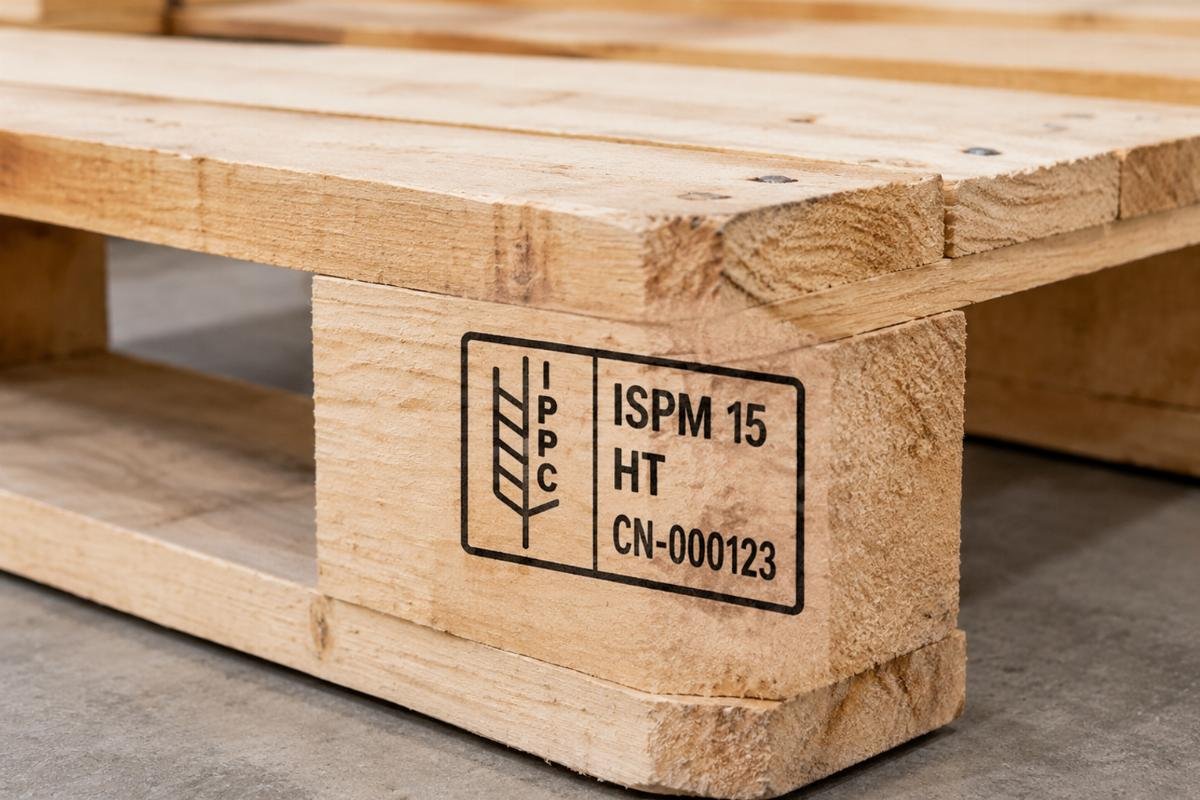
Using plastic or metal pallets eliminates this risk entirely, but if wood is necessary for cost or structural reasons, compliance is non-negotiable. Inspect the markings personally or through a trusted agent before the container doors are sealed. A missing stamp is a guaranteed rejection, regardless of the quality of the bearings inside.
What Are the Best Sea Freight Strategies for Mixed-Brand Bearings?
FCL consolidation with pre-verified documentation minimizes LCL inspection risks.
Many buyers assume that Less than Container Load (LCL) consolidation is the most cost-effective way to source mixed brands. However, LCL shipments are subject to higher scrutiny because they contain goods from multiple suppliers. If one item in the consolidated container has documentation issues, the entire container may be held, affecting all consignees.
For distributors sourcing from China, Full Container Load (FCL) consolidation offers greater control. By consolidating various brands like SKF, FAG, NSK, and domestic lines into a single container under one shipper, you streamline the documentation process. This approach allows for a unified packing list and invoice, reducing the complexity of customs clearance.
[NEED_CITE: Comparative analysis of LCL vs FCL customs inspection rates in Northern Europe]
A Middle East steel mill operator once switched from LCL to FCL for their bearing imports. Previously, sporadic delays in LCL shipments caused production stoppages. After moving to FCL consolidation with a single supplier who managed the mixing of brands, clearance times dropped noticeably. The ability to pre-verify all documents before shipment meant that the container moved through Gothenburg port without interruption.
When planning Shipping bearings to Gothenburg, sea freight bearings Sweden, consider:
- Consolidating orders to achieve FCL volume.
- Using a single exporter for mixed-brand shipments to simplify paperwork.
- Ensuring all brands included have verifiable traceability documentation.
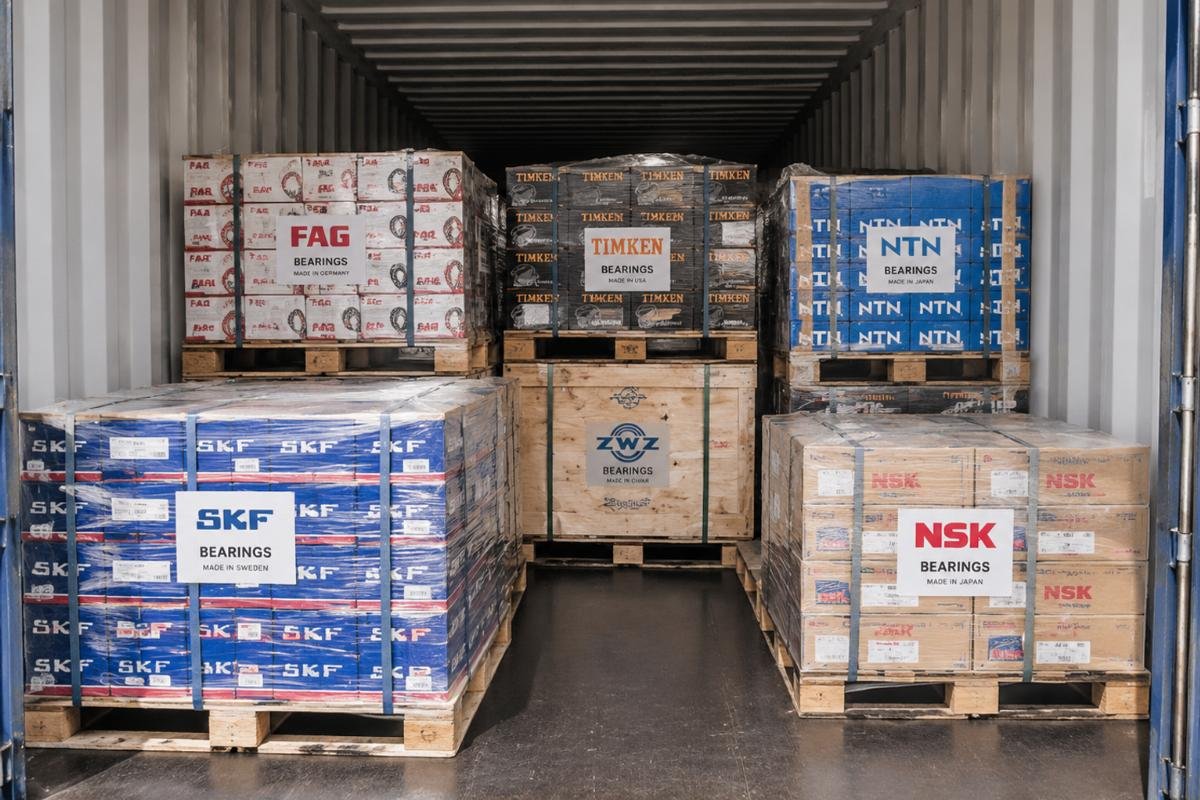
This strategy not only reduces the risk of delay but also lowers the per-unit shipping cost. It transforms the complexity of multi-brand sourcing into a logistical advantage.
How to Handle Unexpected Port Delays or Inspections?
Prompt response with traceability docs prevents extended demurrage.
Despite best efforts, inspections can occur. The key to minimizing impact is speed and preparedness. Having immediate access to traceability documentation, such as certificates of origin and authenticity, allows for quick resolution. Delays often extend because importers cannot produce required documents quickly enough to satisfy customs queries.
In a previous case, a shipment was selected for random inspection. The customs officer requested proof of authenticity for several high-value SKUs. Because the supplier had provided digital copies of all certificates in advance, the broker could email them immediately. The inspection was completed within hours, and the container was released the same day. Without these documents, the process could have taken weeks.
[NEED_CITE: Best practices for customs dispute resolution in EU ports]
To mitigate risks when involved in Shipping bearings to Gothenburg, sea freight bearings Sweden:
- Keep digital copies of all certificates readily accessible.
- Maintain open communication with your freight forwarder and customs broker.
- Respond to information requests within hours, not days.

Proactive document management turns a potential crisis into a minor administrative hurdle. It demonstrates professionalism and compliance, building trust with both customs authorities and end clients.
Conclusion
Precision in documentation is as critical as precision in manufacturing.
Navigating the complexities of international logistics requires attention to detail that goes beyond the product itself. By ensuring HS code accuracy, adhering to ISPM 15 standards, and optimizing consolidation strategies, buyers can secure reliable supply chains. These steps prevent costly delays and ensure that genuine bearings reach their destination efficiently.

About the author
author
Editor covering global sourcing, supplier verification, and industrial product knowledge. Content is compiled from manufacturer specifications, industry standards, and hands-on experience with international B2B buyers. Every article is fact-checked before publishing to help procurement professionals make informed decisions.
More articles by author